
underground power cable supplier is usually searched by a buyer who already has a project, a tender line, a replacement plan or a supplier shortlist. The visitor is not reading for entertainment. They want enough practical information to decide whether JINCHUAN Cable is worth contacting for a quotation.
A useful JINCHUAN Cable blog should answer that buying question directly. It should explain where the cable or conductor is used, which specifications affect price, which documents matter, and what information the buyer should prepare before asking for lead time or samples.
This guide is written for infrastructure contractors, industrial plant engineers, utility buyers and procurement teams sourcing underground power cable. It avoids broad sales claims and focuses on the checks that help engineering, procurement and project teams move from search to RFQ.
What Buyers Usually Mean by This Search
In a real inquiry, the phrase underground power cable supplier usually means more than finding a company name. The buyer is trying to judge whether the supplier can understand the application, quote the right construction, explain standards clearly and keep the order workable after technical review.
That is why the first useful answer is not a slogan. The buyer needs practical direction on installation, armor, sheath and the documents that will be checked by engineers, purchasing staff or the final owner.
Underground Cable Buyers Are Buying Route Confidence
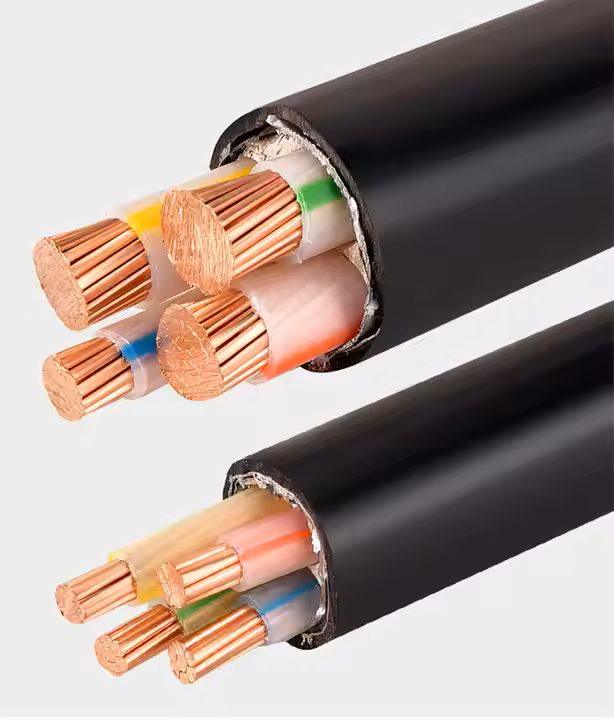
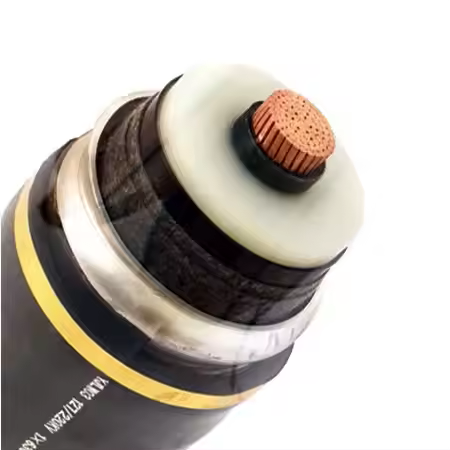
An underground cable is not purchased only by voltage and size. The route may include soil, moisture, ducts, crossings, pulling tension, bending space and difficult access after backfilling.
A buyer searching for an underground power cable supplier wants confidence that the construction, packing and documents fit the route before installation begins.
Typical Underground Cable Buyers
| Buyer group | What they are trying to confirm | Why it matters |
| Infrastructure contractor | Route and burial protection | Reduces installation risk |
| Utility buyer | Voltage, standard and records | Supports approval |
| Industrial engineer | Plant corridor and trench conditions | Protects long-term access |
| Procurement team | Comparable construction and logistics | Avoids price-only mistakes |
Direct Burial and Duct Routes Are Not the Same
Direct burial routes often need stronger attention to mechanical protection, sheath and water exposure. Duct routes may shift the concern toward pulling, bending and duct fill.
JINCHUAN Cable can review the requirement more clearly when the buyer explains soil condition, route length, installation method and whether armor is required.
Specification Details That Change the Quotation
| RFQ detail | What to write clearly | Why buyers should care |
| Installation | Direct burial, duct, trench or tunnel | Defines protection assumptions |
| Armor | Required or not required | Affects weight and mechanical protection |
| Sheath | Outer sheath material and environment | Supports route durability |
| Voltage | LV or MV class | Controls cable design |
| Drum | Pulling length and site limits | Affects installation sequence |
Standards and Technical Documents
For international projects, buyers often discuss IEC 60502, IEC 60228, IEC 60332 with the engineering or tender team. These references help align conductor wording, voltage class, insulation, fire behavior or field test language, while the approved project specification remains the controlling document.
Standards help align the cable construction, but the route detail is what turns a generic underground cable request into a project-ready RFQ.
For long underground routes, buyers should coordinate cable length, drum size and pulling plan with the installation team before ordering.
Supplier Comparison Beyond Unit Price
Compare underground cable suppliers by construction, route assumptions, packing and documents. If armor, sheath or drum length differs, the offers are not equal.
Ask whether the quotation includes route-specific notes and whether any accessories or termination support are excluded.
Information That Prevents a Second Quotation Round
Many cable quotations are delayed because the first message is too short. A buyer may ask for underground power cable supplier and quantity, but leave out route, standard, packing or test requirements. The supplier then has to ask basic questions before a real offer can be prepared.
A cleaner inquiry helps both sides. It lets JINCHUAN Cable check the cable family, confirm whether the requested construction is realistic, and prepare a quotation that purchasing teams can compare without rewriting the technical scope.
- Name the project use clearly: Voltage, Conductor material and Cable size are usually the starting points.
- State any approval records, inspection needs or delivery limits before price comparison.
- Keep the same wording across drawings, cable schedules and purchase notes so the supplier does not quote the wrong assumption.
Commercial Risks to Clarify Before Order
The biggest risk is discovering after delivery that the drum length or cable construction does not match the pulling plan.
Another risk is underestimating water or mechanical exposure. A low price may reflect a lighter construction than the route actually needs.
Documents Buyers Should Request
A serious cable inquiry should include a document expectation. JINCHUAN Cable buyers commonly need records that can support approval, import, receiving and later maintenance.
- Cable datasheet
- Route assumption note
- Routine test report
- Packing list
- Drum length schedule
- Installation handling marks
Where JINCHUAN Cable Fits
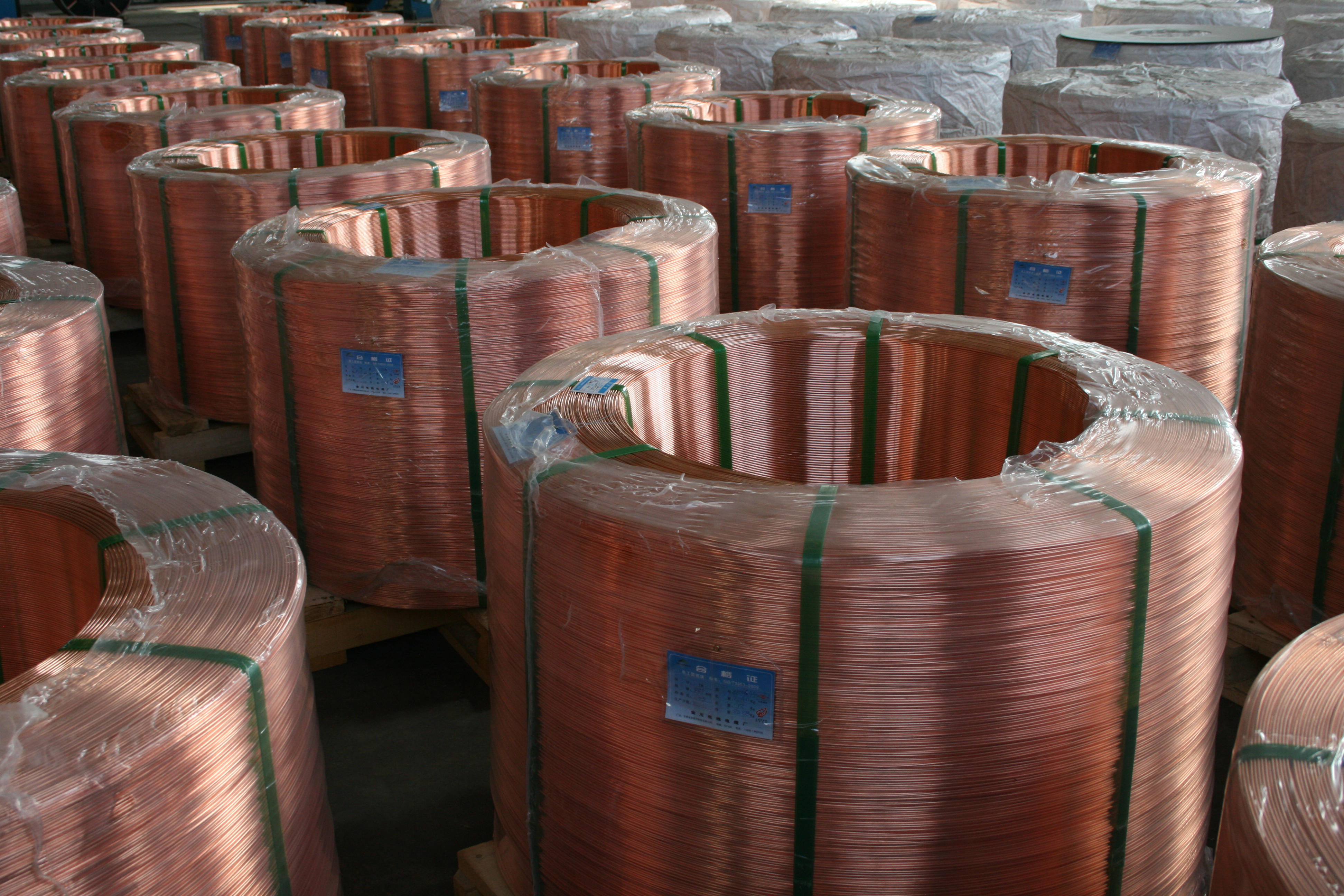
JINCHUAN Cable is most relevant when the buyer needs export-oriented cable or conductor supply, clear technical communication, project documents and a quotation that matches real application conditions.
Buyers can review JINCHUAN Cable products and the JINCHUAN Cable company profile before sending an inquiry. Those pages help confirm product scope and supplier background.
RFQ Checklist
- Voltage
- Conductor material
- Cable size
- Route type
- Burial depth if known
- Armor
- Sheath
- Standard
- Quantity and drum length
- Destination
A Better Underground Cable Conversation
Underground power cable selection should begin with the route and then move to construction and price.
When buyers explain the route clearly, JINCHUAN Cable can help prepare a quotation that is easier for engineering and procurement to trust.
FAQ
What should I tell an underground power cable supplier?
Share voltage, conductor, size, route type, burial or duct details, armor, sheath, standard, quantity and destination.
Is direct burial cable different from duct cable?
The installation conditions can be different, so the construction and protection requirements should be reviewed separately.
Does underground cable always need armor?
No. Armor depends on mechanical risk, route condition and project specification.
Which documents are useful?
Datasheets, routine test reports, packing lists and drum length schedules are useful.
Can JINCHUAN Cable review underground cable projects?
JINCHUAN Cable can review underground power cable requirements when project details are provided.
Why does drum length matter?
Drum length affects pulling route, unloading, storage and installation sequence.
What standards are commonly discussed?
IEC 60502 and IEC 60228 are common references for many power cable discussions.
How do I compare suppliers?
Compare equal voltage, conductor, armor, sheath, standard, documents and delivery scope.
What is a common mistake?
Treating underground cable as a generic power cable without route details.
When should I ask for a quote?
Ask when route, voltage, size, quantity and destination are known.