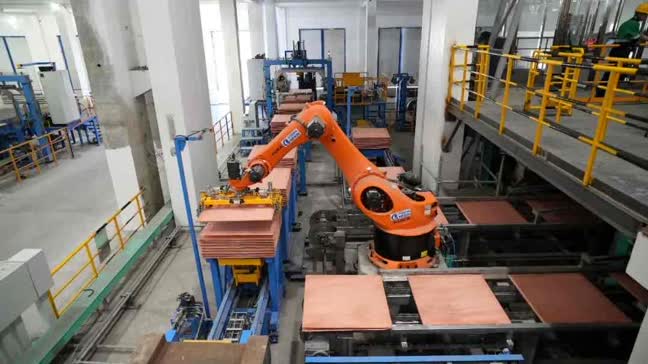

A brick factory power cable supplier should plan around fired and sorted products. More green bricks do not increase shipment when dryer occupancy, kiln schedules, car handling or final sorting remains constrained.
The cable schedule should separate dusty raw material, wet preparation, humid drying and hot firing zones while following one product family through the whole plant.
This guide uses ownership questions, planning myths and a finished-product scorecard.
Five inputs before brick factory infrastructure is approved
Named owners should answer these points with drawings, schedules or approved operating data.
Which brick sizes and recipes are produced?
State normal mix and maximum product dimensions.
How many dryer and kiln cars circulate?
Map cycle times, buffers and handling systems.
Which fans serve multiple chambers?
Show airflow dependencies and standby assumptions.
Where do wet and hot routes begin?
Mark actual boundaries around mixers, dryers and kilns.
How are grades and rejects handled?
Connect inspection, sorting, rework and packing records.
Clear inputs allow suppliers to identify assumptions instead of guessing.
Four brick factory planning myths
These familiar shortcuts can move the bottleneck downstream or weaken handover records.
Misconception: More green bricks always increase output
What to use instead: Drying and firing occupancy can become the constraint.
Misconception: Dryers and kilns can be sized separately
What to use instead: Cars, airflow, product mix and buffers connect them.
Misconception: All factory heat routes are alike
What to use instead: Dryer humidity and kiln temperature create different conditions.
Misconception: Sorting is only a packing activity
What to use instead: Grade release and reject handling determine saleable output.
Replace isolated equipment assumptions with complete-product evidence.
Follow green bricks through drying, firing and sorting
A useful brick factory power cable supplier begins with raw material preparation, crushing, mixing, aging, extrusion or pressing, cutting, drying, kiln firing, cooling, sorting and packing. The cable schedule should connect each group with production flow, process stability or final release before buyers compare construction and commercial terms.
A brick forming line cable serves mixers, extruders or presses, cutters and handling systems whose speed must match downstream occupancy.
A brick dryer power cable and brick kiln cable support fans, transfers and temperature-controlled stages where cycle duration determines plant capacity.
Scenario: hollow bricks extend the drying cycle
Situation: A factory adds a new hollow-brick family using existing forming and firing equipment.
Finding: Forming capacity is adequate, but dryer settings and car occupancy increase before the products can enter the kiln.
Decision: The buyer prioritizes dryer, fan and handling cable groups using approved product-cycle data.
Expected result: The expansion supports fired and graded bricks rather than excess green inventory.
brick factory production gates and cable evidence
This table follows material through the areas that create accepted fired bricks. It prevents a large upstream load from hiding a smaller downstream constraint.
| Area | Production constraint | Evidence for the cable scope |
|---|---|---|
| Raw preparation | Particle size and consistent feed | Crushers, screens and dust zones |
| Mixing and forming | Moisture, pressure and line speed | Wet equipment and product range |
| Drying | Humidity, airflow and occupancy | Fans, cars and cycle data |
| Firing and cooling | Temperature profile and kiln continuity | Burners, drives and hot routes |
| Sorting and packing | Defects, sizes and handling | Inspection, automation and records |
Priority should follow production consequence, route conditions and approved operating duty rather than connected load alone.
Evidence scorecard for brick factory cable scope
Use the same questions and requested evidence for every supplier response.
| Criterion | Question | Evidence to request |
|---|---|---|
| Control 1 | Which brick sizes and recipes are produced? | State normal mix and maximum product dimensions. |
| Control 2 | How many dryer and kiln cars circulate? | Map cycle times, buffers and handling systems. |
| Control 3 | Which fans serve multiple chambers? | Show airflow dependencies and standby assumptions. |
| Control 4 | Where do wet and hot routes begin? | Mark actual boundaries around mixers, dryers and kilns. |
A strong response makes assumptions visible and connects records with real factory zones.
Before and after: how brick factory capacity is measured
Changing the unit of capacity changes which cable groups receive priority.
Before: departments count isolated output
- Green bricks wait before dryers
- Dry bricks wait for kiln entry
- Kiln output waits before sorting
- Several process stages slow together
After: the factory counts accepted fired bricks
- Measure cycle and buffer capacity.
- Review kiln mix and changeovers.
- Track product sizes and reject flow.
- Map dependencies and standby.
The revised measure links investment with shipment, quality and maintainability.
RFQ details for brick drying and firing flow
The inquiry should describe product range, cycles and shared handling.
- System voltage and frequency
- Load or cable schedule
- Motor ratings and starting method
- Route length and installation method
- Actual wet, dusty, hot, outdoor or mechanical conditions
- Required conductor, insulation, sheath and armor details
- Destination, delivery stages and required records
- raw materials, recipes and brick dimensions
- mixing, extrusion or pressing equipment
- dryers, fans, cars and cycle times
- kilns, burners, cooling and handling
- sorting, packing, grades and records
For brick factory projects, references such as IEC 60502, IEC 60228 and IEC 60332 can help both sides use consistent terminology. They do not replace the approved specification or the buyer's responsibility to confirm the design.
How JINCHUAN Cable supports brick factory decisions
For brick manufacturers, ceramic-process engineers and factory planners evaluating the brick factory power cable supplier, JINCHUAN Cable can review dusty, wet, drying, kiln and packing cable groups against buyer-approved brick production data.
The proposal can document route and identification assumptions while ceramic process and fuel-system approval remains with qualified specialists.
Buyers can review JINCHUAN Cable products and learn more about the JINCHUAN Cable company. Share the project purpose, critical loads, route conditions, quantities, destination and expected records to create a stronger basis for technical and commercial comparison.
Share the brick product and dryer-kiln balance map to obtain a quotation focused on graded output.
FAQ
What should buyers expect from a brick factory power cable supplier?
Buyers should expect the proposal to connect cable construction with dusty preparation, wet mixing, forming lines, dryer fans, kiln continuity, handling and product quality, not merely repeat conductor sizes from a schedule.
Which part of the brick factory should be mapped first?
Start with raw material preparation, crushing, mixing, aging, extrusion or pressing, cutting, drying, kiln firing, cooling, sorting and packing. This shows which supporting loads can interrupt more than one production stage.
How should quotations for the brick factory be compared?
Compare the stated route assumptions, operating duty, included records, delivery grouping and exclusions beside price. That exposes scope differences before approval.
Which route conditions matter in a brick factory?
The inquiry should distinguish dusty raw areas, wet mixers, long forming lines, humid dryers, hot kilns, cooling sections, automated handling and outdoor yards. Broad labels such as indoor or industrial are rarely precise enough for a useful review.
What hidden risk deserves attention in this project?
A common hidden risk is adding forming speed while drying occupancy, kiln cars, firing cycles or finished sorting remains unchanged. Its production consequence may be greater than the connected load suggests.
Should future changes be discussed before ordering?
Yes. new brick sizes, hollow products, faster handling, improved heat recovery and automated sorting can affect route capacity, circuit names, distribution space and the value of today's approval records.
Which records help after installation?
Useful records include product, mixer, forming, dryer, kiln and sorting identities, size ranges, wet and hot routes and final revisions. They help receiving, installation and maintenance teams connect each cable with its purpose.
Which technical references may support the discussion?
IEC 60502, IEC 60228 and IEC 60332 may provide common terminology, while the approved project specification remains the final design basis.
What should be sent with the first RFQ?
Send the cable or load schedule plus project details such as raw materials, recipes and brick dimensions, mixing, extrusion or pressing equipment, dryers, fans, cars and cycle times, kilns, burners, cooling and handling, sorting, packing, grades and records. Clear inputs allow suppliers to identify assumptions instead of guessing.
How can JINCHUAN Cable support the brick factory?
JINCHUAN Cable can review the schedule, routes, operating conditions, quantities and required records against the result the buyer needs to protect: consistent raw preparation, stable forming, controlled drying, reliable firing and accurate finished-product sorting.