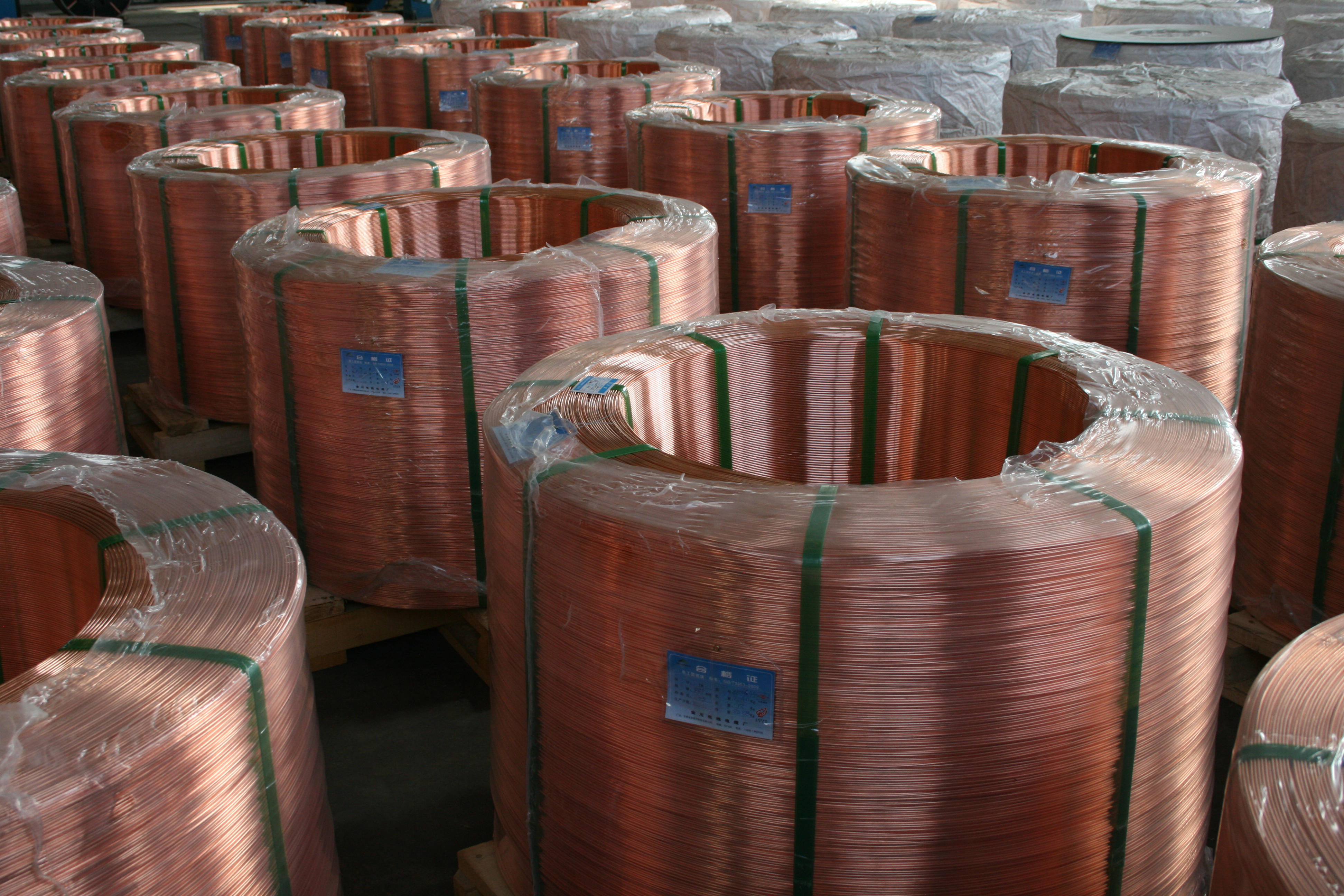

An e-waste recycling plant cable supplier should support controlled material recovery rather than maximum shredder feed. Safe pre-sorting, battery removal, extraction and downstream separation determine whether mixed devices become traceable fractions.
Equipment and routing assumptions must match the approved input stream because device composition and embedded energy sources can change the process sequence.
This guide combines planning myths, responsibility questions and a before-and-after recovery measure.
Five decisions before e-waste recycling plant infrastructure is approved
Named owners should answer these points with drawings, schedules or approved operating data.
What should the RFQ confirm for receiving and identification?
Feed envelope and batch records. The response should also explain how the cable scope addresses device mix and accepted materials without relying on an unstated operating assumption.
What should the RFQ confirm for safe dismantling?
Controlled zones and procedures. The response should also explain how the cable scope addresses batteries, hazardous parts and recoverable modules without relying on an unstated operating assumption.
What should the RFQ confirm for shredding and extraction?
Machine range and served extraction. The response should also explain how the cable scope addresses energy, dust and variable feed without relying on an unstated operating assumption.
What should the RFQ confirm for physical and sensor separation?
Separators, sensors and product targets. The response should also explain how the cable scope addresses particle range and detection limits without relying on an unstated operating assumption.
What should the RFQ confirm for fraction packing?
Bins, labels and evidence. The response should also explain how the cable scope addresses purity, batch identity and dispatch without relying on an unstated operating assumption.
Clear answers allow suppliers to identify assumptions instead of guessing.
Four planning myths about e-waste recycling plant
These familiar shortcuts can move the bottleneck downstream or weaken handover records.
Misconception: Shredder feed rate defines plant output
What to use instead: safe preparation and sorting can remain limiting. Better basis: Count released fractions instead.
Misconception: All electronics follow one process
What to use instead: device and battery content change the sequence. Better basis: Define accepted input categories.
Misconception: Extraction is only environmental support
What to use instead: dust control can stop several machines. Better basis: Map served sections and standby.
Misconception: Packing is outside recovery quality
What to use instead: fraction identity and purity records close the batch. Better basis: Include bins, labels and tests.
Replace isolated equipment assumptions with complete-product evidence.
Follow received devices into traceable separated fractions
A useful e-waste recycling plant cable supplier begins with receiving, identification, battery and hazardous-item removal, manual dismantling, shredding, magnetic and eddy separation, sensor sorting, dust collection and fraction packing. Each cable group should be linked with production flow, product quality or final release before technical and commercial offers are compared.
An e-waste dismantling line cable supports controlled benches, tools and handling before material reaches high-energy size reduction.
An electronics shredder cable and sensor sorting line cable serve extraction, separation and detection systems whose availability determines recovery quality.
Before and after: how e-waste recycling plant capacity is measured
Changing the unit of capacity changes which cable groups receive priority.
Before: departments count isolated output
- Shredder feed rate defines plant output
- All electronics follow one process
- Extraction is only environmental support
- Packing is outside recovery quality
After: the factory counts accepted separated recyclable fractions
- Count released fractions instead.
- Define accepted input categories.
- Map served sections and standby.
- Include bins, labels and tests.
The revised measure links cable investment with shipment, quality and maintainability.
Scenario: embedded batteries slow pre-sorting
Situation: A recycler receives more compact devices with difficult-to-access batteries.
Finding: Shredding equipment has capacity, but safe removal and identification extend preparation time and change material routing.
Decision: The buyer prioritizes controlled dismantling and tracking cable groups before increasing shredder feed.
Expected result: The plant improves safe traceable fraction output without hiding the upstream constraint.
e-waste recycling plant production gates and cable evidence
Use this table to follow material through the factory and identify where completed value can wait.
| Area | Constraint to verify | Evidence for the cable scope |
|---|---|---|
| Receiving and identification | Device mix and accepted materials | Feed envelope and batch records |
| Safe dismantling | Batteries, hazardous parts and recoverable modules | Controlled zones and procedures |
| Shredding and extraction | Energy, dust and variable feed | Machine range and served extraction |
| Physical and sensor separation | Particle range and detection limits | Separators, sensors and product targets |
| Fraction packing | Purity, batch identity and dispatch | Bins, labels and evidence |
The most important circuit may be a modest feeder whose failure blocks several upstream stages or prevents final release.
A staged expansion sequence for e-waste recycling plant
Release infrastructure as product, process and test information becomes reliable.
Stage 1: Receiving and identification
Feed envelope and batch records. Confirm device mix and accepted materials before the next production area and its cable groups are released.
Stage 2: Safe dismantling
Controlled zones and procedures. Confirm batteries, hazardous parts and recoverable modules before the next production area and its cable groups are released.
Stage 3: Shredding and extraction
Machine range and served extraction. Confirm energy, dust and variable feed before the next production area and its cable groups are released.
Stage 4: Physical and sensor separation
Separators, sensors and product targets. Confirm particle range and detection limits before the next production area and its cable groups are released.
Stage 5: Fraction packing
Bins, labels and evidence. Confirm purity, batch identity and dispatch before the next production area and its cable groups are released.
The sequence reduces temporary work and keeps future expansion assumptions visible.
RFQ details for e-waste separation and traceability
The inquiry should describe accepted devices, controlled preparation and recovery targets.
- System voltage and frequency
- Load or cable schedule
- Motor ratings and starting method
- Route length and installation method
- Actual wet, dusty, hot, outdoor or mechanical conditions
- Required conductor, insulation, sheath and armor details
- Destination, delivery stages and required records
- accepted device streams and batch volumes
- battery and hazardous-item removal
- dismantling stations and material routing
- shredders, extraction and physical separators
- sensor sorting, fraction purity, packing and records
For e-waste recycling plant projects, references such as IEC 60502, IEC 60228 and IEC 60332 can help both sides use consistent terminology. They do not replace the approved specification or the buyer's responsibility to confirm the design.
How JINCHUAN Cable supports e-waste recycling plant decisions
For electronics recyclers, material-recovery engineers and plant project teams evaluating the e-waste recycling plant cable supplier, JINCHUAN Cable can review controlled-work, shredder, extraction and sensor-sort cable groups against buyer-approved e-waste data.
The response can document route assumptions while hazardous material, battery safety and recovery quality remain with responsible specialists.
Buyers can review JINCHUAN Cable products and learn more about the JINCHUAN Cable company. Share the project purpose, critical loads, route conditions, quantities, destination and expected records to create a stronger basis for technical and commercial comparison.
Send the accepted-feed and fraction-recovery map to obtain a quotation focused on traceable outputs.
FAQ
What should buyers expect from a e-waste recycling plant cable supplier?
Buyers should expect the proposal to connect cable construction with variable devices, dismantling, batteries and hazardous items, shredders, dust extraction, sensors, separation and traceability, not merely repeat conductor sizes from a schedule.
Which part of the e-waste recycling plant should be mapped first?
Start with receiving, identification, battery and hazardous-item removal, manual dismantling, shredding, magnetic and eddy separation, sensor sorting, dust collection and fraction packing. This shows which supporting loads can interrupt more than one production stage.
How should quotations for the e-waste recycling plant be compared?
Compare the stated route assumptions, operating duty, included records, delivery grouping and exclusions beside price. That exposes scope differences before approval.
Which route conditions matter in a e-waste recycling plant?
The inquiry should distinguish receiving stores, controlled dismantling benches, shredder enclosures, dusty transfers, extraction systems, magnetic and sensor sorting lines and fraction packing. Broad labels such as indoor or industrial are rarely precise enough for a useful review.
What hidden risk deserves attention in this project?
A common hidden risk is expanding shredding while safe pre-sorting, extraction, sensor sorting or recovered-fraction packing remains unchanged. Its production consequence may be greater than the connected load suggests.
Should future changes be discussed before ordering?
Yes. new device streams, more embedded batteries, improved optical sorting, additional separation stages and automated material tracking can affect route capacity, circuit names, distribution space and the value of today's approval records.
Which records help after installation?
Useful records include feed batch, dismantling zone, shredder, separator, sensor and fraction identities, accepted material ranges and final revisions. They help receiving, installation and maintenance teams connect each cable with its purpose.
Which technical references may support the discussion?
IEC 60502, IEC 60228 and IEC 60332 may provide common terminology, while the approved project specification remains the final design basis.
What should be sent with the first RFQ?
Send the cable or load schedule plus project details such as accepted device streams and batch volumes, battery and hazardous-item removal, dismantling stations and material routing, shredders, extraction and physical separators, sensor sorting, fraction purity, packing and records. Clear inputs allow suppliers to identify assumptions instead of guessing.
How can JINCHUAN Cable support the e-waste recycling plant?
JINCHUAN Cable can review the schedule, routes, operating conditions, quantities and required records against the result the buyer needs to protect: controlled receiving, organized dismantling, stable size reduction, accurate separation and traceable recovered fractions.