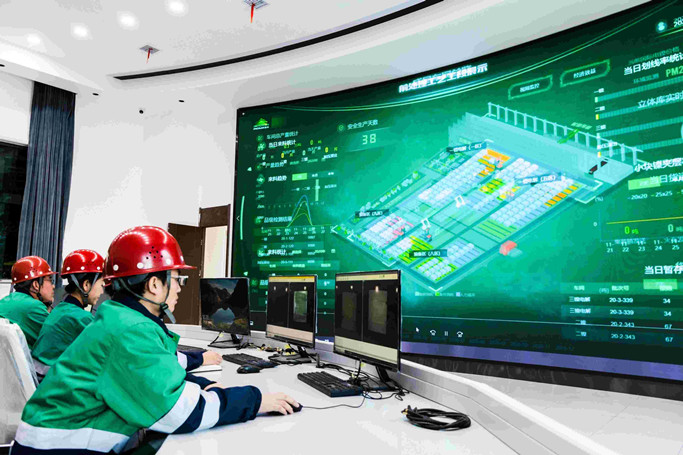

A fastener factory power cable supplier should plan around millions of repeated cycles and several different production environments. Cold heading and thread rolling are fast, but heat treatment, plating and inspection determine whether parts become saleable fasteners.
The most useful cable schedule follows wire through forming, thermal treatment, surface finishing and final sorting. It keeps oily, hot, wet and clean areas distinct and exposes shared systems that can stop several machines.
This approach gives buyers a practical basis for comparing scope, limitations and expansion readiness.
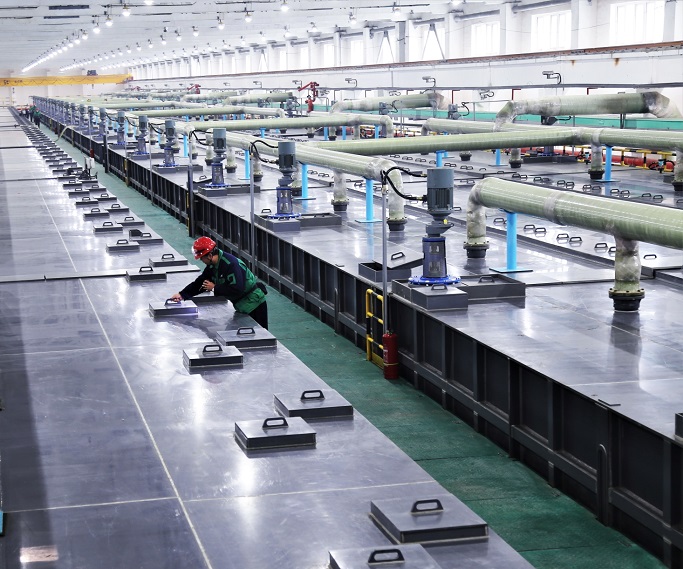
The production chain changes from high-cycle machines to batch and wet processes
A cold heading machine cable serves repeated impact loads, feeders and auxiliaries in a machine row where vibration, oil and maintenance access matter. A thread rolling line cable supports another high-throughput stage that must remain balanced with heading output.
Heat treatment changes the operating model from machine-by-machine flow to batches. Furnace, atmosphere, quench and handling systems become linked, so one supporting circuit can affect a large quantity of work in process.
A fastener plating line cable belongs to a wet chemical and material-handling system. Pumps, rectifiers, ventilation, heaters and conveyors should be reviewed as one surface-finishing process.
Four questions for the fastener factory power cable supplier
The answers show whether the offer understands throughput and route conditions.
Which machine rows share support systems?
Central oil, air, extraction or material handling may affect several headers and rollers.
How are furnace and quench loads grouped?
The schedule should show batch consequence, operating sequence and hot-route boundaries.
Where do wet plating conditions begin and end?
Mark tanks, pumps, rectifiers, ventilation and the transition to dry inspection or packing.
Can the records support another production line?
Machine-row and zone names should make existing capacity and route assumptions understandable.
Machine-row planning versus process-zone planning
Both views are useful, but they answer different purchasing questions.
Machine-row grouping
Best fit: cold heading and thread rolling equipment with similar production flow. It simplifies identification, although shared utilities across rows must remain visible.
Batch-process grouping
Best fit: heat-treatment furnaces, quench and related handling. It follows product consequence, but operating sequences and standby arrangements need clear records.
Wet-line grouping
Best fit: plating or surface-treatment systems. It matches environmental conditions, while rectifiers, pumps and ventilation may have different electrical duties.
A strong proposal can combine row and zone identities without losing the dependency between forming, heat treatment and finishing.
Scenario: three new headers create a furnace queue
Situation: A fastener producer adds high-speed cold headers to serve a growing automotive order.
Finding: Forming output rises, but furnace batches, quench handling and plating racks cannot move the extra parts at the same rate. Work in process grows between departments.
Decision: The buyer reviews production in saleable tonnes and adds the affected thermal, wet-process and material-handling cable groups to the expansion scope.
Expected result: The project can be compared through balanced output and avoids moving the bottleneck from heading to later quality stages.
Five decisions before the RFQ is released
The sequence turns production assumptions into information suppliers can price consistently.
1. Define saleable output and product mix
Diameter, material and coating can change cycle and batch requirements.
2. Map shared machine-row utilities
Show oil, air, extraction and handling systems that affect several machines.
3. Record batch dependencies
Link furnaces, atmosphere, quench and conveyors with the products they serve.
4. Mark wet and hot route boundaries
Avoid applying one broad factory condition to every circuit.
5. Plan identification for expansion
Use row, furnace, line and room names that remain useful after new equipment arrives.
A balanced-capacity check for fastener production
The table highlights where nameplate machine speed can mislead the investment decision.
| Stage | Capacity signal | Cable-scope check |
|---|---|---|
| Cold heading | Parts per minute | Machine duty, feeders, oil and row distribution |
| Thread rolling | Matched flow by product size | Line identity, handling and shared utilities |
| Heat treatment | Batch size and cycle time | Furnace, quench, atmosphere and hot routes |
| Plating | Rack or barrel throughput | Rectifiers, pumps, ventilation and wet routes |
| Inspection and packing | Accepted parts per shift | Sorting machines, clean zones and format changes |
Scope gaps that often appear after price comparison
These items should be resolved before approval rather than treated as site surprises.
- Shared oil or air systems are omitted because they sit outside the machine package.
- Furnace auxiliaries are split between vendors without one complete dependency list.
- Plating ventilation and pumps are treated as general utilities despite line-wide consequence.
- Machine labels use temporary customer part numbers.
- Delivery groups do not match long machine rows or the planned installation sequence.
Clear inclusions, exclusions and records make the commercial comparison more meaningful than a schedule total alone.
RFQ information for balanced fastener throughput
The first request should combine machine speed, batch capacity and wet-process conditions so suppliers can see the complete production task.
- System voltage and frequency
- Load or cable schedule
- Motor ratings and starting method
- Route length and installation method
- Actual wet, dusty, hot, outdoor or mechanical conditions
- Required conductor, insulation, sheath and armor details
- Destination, delivery stages and required records
- fastener diameter, material and output mix
- heading and rolling machine rows
- furnace, atmosphere and quench dependencies
- plating rectifiers, pumps and ventilation
- inspection capacity and planned line additions
For fastener factory projects, references such as IEC 60502, IEC 60228 and IEC 60332 can help both sides use consistent terminology. They do not replace the approved specification or the buyer's responsibility to confirm the design.
How JINCHUAN Cable supports fastener factory decisions
For bolt and screw manufacturers, metal-forming engineers and factory contractors evaluating the fastener factory power cable supplier, JINCHUAN Cable can review cable groups by machine row, thermal batch process and wet finishing zone while keeping shared systems visible.
This supports clearer construction, route, delivery and documentation assumptions without replacing the buyer's process design or approved electrical calculations.
Buyers can review JINCHUAN Cable products and learn more about the JINCHUAN Cable company. Share the project purpose, critical loads, route conditions, quantities, destination and expected records to create a stronger basis for technical and commercial comparison.
Share the balanced-capacity plan and environmental boundaries so the quotation can address saleable fastener output and future line changes.
FAQ
What should buyers expect from a fastener factory power cable supplier?
Buyers should expect the proposal to connect cable construction with high-cycle forming, oil and vibration, batch heat treatment, wet plating and balanced packing, not merely repeat conductor sizes from a schedule.
Which part of the fastener factory should be mapped first?
Start with wire preparation, cold heading, trimming, thread rolling, heat treatment, plating, inspection and packing. This shows which supporting loads can interrupt more than one production stage.
How should quotations for the fastener factory be compared?
Compare the stated route assumptions, operating duty, included records, delivery grouping and exclusions beside price. That exposes scope differences before approval.
Which route conditions matter in a fastener factory?
The inquiry should distinguish high-cycle machine rows, oily forming areas, furnace zones, wet chemical lines, inspection rooms and finished-goods packing. Broad labels such as indoor or industrial are rarely precise enough for a useful review.
What hidden risk deserves attention in this project?
A common hidden risk is adding heading machines without checking heat-treatment batch capacity, plating line balance and shared material handling. Its production consequence may be greater than the connected load suggests.
Should future changes be discussed before ordering?
Yes. new fastener diameters, higher production speeds, another furnace or plating line and automated inspection can affect route capacity, circuit names, distribution space and the value of today's approval records.
Which records help after installation?
Useful records include machine-row identities, batch and line dependencies, wet and hot route notes, approved cable data and expansion revisions. They help receiving, installation and maintenance teams connect each cable with its purpose.
Which technical references may support the discussion?
IEC 60502, IEC 60228 and IEC 60332 may provide common terminology, while the approved project specification remains the final design basis.
What should be sent with the first RFQ?
Send the cable or load schedule plus project details such as fastener diameter, material and output mix, heading and rolling machine rows, furnace, atmosphere and quench dependencies, plating rectifiers, pumps and ventilation, inspection capacity and planned line additions. Clear inputs allow suppliers to identify assumptions instead of guessing.
How can JINCHUAN Cable support the fastener factory?
JINCHUAN Cable can review the schedule, routes, operating conditions, quantities and required records against the result the buyer needs to protect: steady forming, reliable thread production, controlled heat treatment and consistent surface finishing.