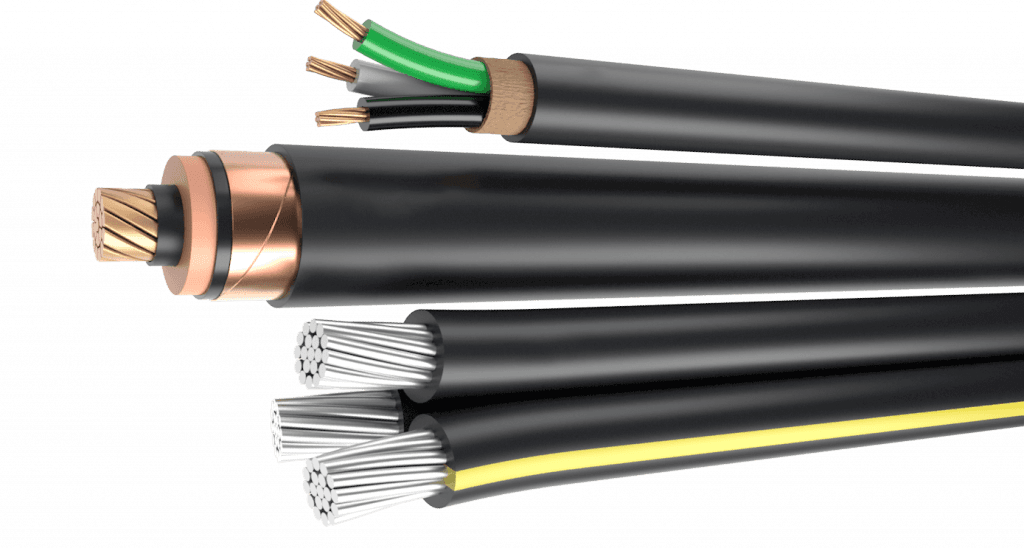

A crane manufacturing factory power cable supplier should plan around work that moves through long bays and ends in a high-consequence load test. Girder fabrication, hoist assembly and electrification may use separate work teams, yet shipment depends on all of them reaching the test stage in sequence.
The cable plan must distinguish permanent workshop infrastructure from temporary project setups. Without that distinction, every large crane order creates improvised routes and records that do not help the next contract.
This guide focuses on production flow, operating limits and the evidence buyers need before approving the offer.
The seven loads that should appear on the production map
The largest machine is not always the load with the greatest delivery consequence.
- Cutting and preparation machines that release plate and sections to fabrication.
- A crane girder welding cable serving fixed or moving welding systems along the bay.
- Overhead handling equipment used to turn, transfer and assemble long girders.
- A hoist assembly line cable supporting machining, motor work, brakes and controls.
- Painting, ventilation and drying systems that protect finish quality.
- Electrification stations for panels, festoons, conductor systems and functional checks.
- A crane load test bay cable serving the final proof and acceptance process.
The production map should show which shared crane, air, extraction or test system can stop more than one work area.
Where crane production loses time between departments
Use the table to challenge an equipment-only quotation.
| Handoff | Typical delay | Cable planning response |
|---|---|---|
| Cutting to girder fit-up | Material or crane unavailable | Show handling equipment and permanent bay zones |
| Welding to machining | Rework or transfer queue | Identify shared cranes, extraction and machine routes |
| Hoist assembly to electrification | Controls or motor checks incomplete | Keep station and test-circuit identity consistent |
| Painting to final assembly | Ventilation or curing holds the job | Include support feeders and route boundaries |
| Functional check to load test | Test bay or temporary supply unavailable | Define test duty, setup and acceptance records |
Procurement checkpoints for long, changing fabrication bays
A crane manufacturing factory power cable supplier should state how the proposal handles these realities.
Permanent bay infrastructure
Main machines, distribution points and shared utilities should use stable location names.
Movable welding and assembly work
The operating envelope and approved connection points should be clear without assuming uncontrolled temporary extensions.
Outdoor and traffic exposure
Yard routes need site-confirmed mechanical protection, drainage, sunlight and access assumptions.
Test setup responsibility
The offer should state what is included for the load test and what remains with the factory or project engineer.
Scenario: heavier hoists create a final-test bottleneck
Situation: A manufacturer expands hoist assembly for a higher lifting-capacity product range while keeping the original test bay.
Finding: Fabrication and assembly can complete the units, but the test supply, handling plan and test-weight workflow were recorded only for smaller cranes.
Decision: The team defines normal and maximum test cases, separates temporary setup from permanent infrastructure and updates the bay record before ordering.
Expected result: The factory can compare offers against the full acceptance path and identify which investment is required before the first heavier crane reaches test.
Why final load testing changes the cable discussion
Crane testing may include motors, brakes, controls, travel functions and proof loads under a defined procedure. The main connected power is only one input; the test arrangement also depends on handling, controls, safety zones and the availability of the bay.
The supplier should receive the approved duty and route information, not invent it. The cable proposal should then show how construction, length, identification and documents connect with the permanent test area or planned temporary setup.
Clear boundaries matter because project-specific test equipment can change while the factory distribution and records should remain understandable.
Three ways to serve crane load testing
The suitable approach depends on product range, test frequency and factory layout.
Permanent indoor test bay
Best fit: frequent testing within a stable capacity range. It supports repeatability but needs an explicit maximum duty and future product assumption.
Flexible bay with approved connection points
Best fit: several crane sizes tested in different positions. It offers layout flexibility, but setup rules and route protection must remain controlled.
Outdoor project test area
Best fit: very large cranes or limited indoor length. It may solve space limits, although weather, traffic, mechanical protection and local procedures require detailed confirmation.
A credible quotation identifies the assumed test model and the limits beyond which the cable scope needs review.
Release the cable package in the same order as the factory project
Sequencing records and delivery around the work areas reduces installation confusion.
1. Freeze the permanent bay names
Use them in schedules, labels, drawings and receiving lists.
2. Confirm shared handling and utilities
Map cranes, extraction, air and ventilation that serve multiple workstations.
3. Define test cases
Record normal production tests and the maximum planned product range.
4. Separate temporary and final routes
Make project setups visible so they do not become undocumented permanent infrastructure.
5. Group drums by construction stage
Align cutting, fabrication, assembly, paint and test deliveries with the installation plan.
RFQ inputs for cranes that must pass the final test
The request should describe both workshop production and the test arrangement that controls product release.
- System voltage and frequency
- Load or cable schedule
- Motor ratings and starting method
- Route length and installation method
- Actual wet, dusty, hot, outdoor or mechanical conditions
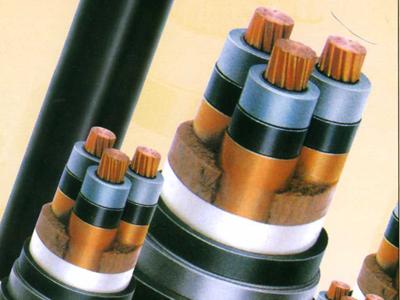
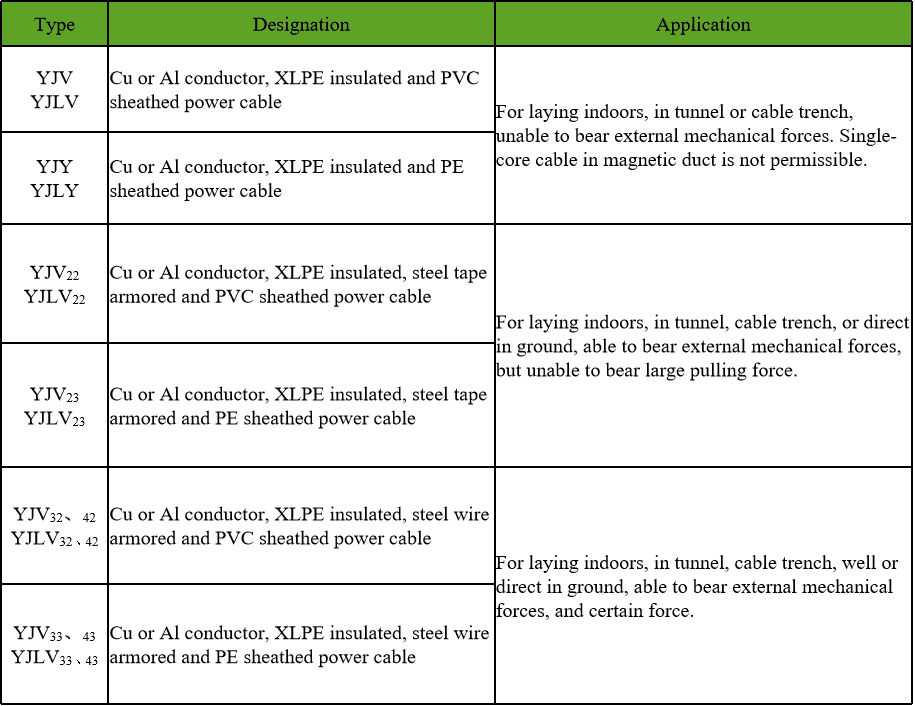
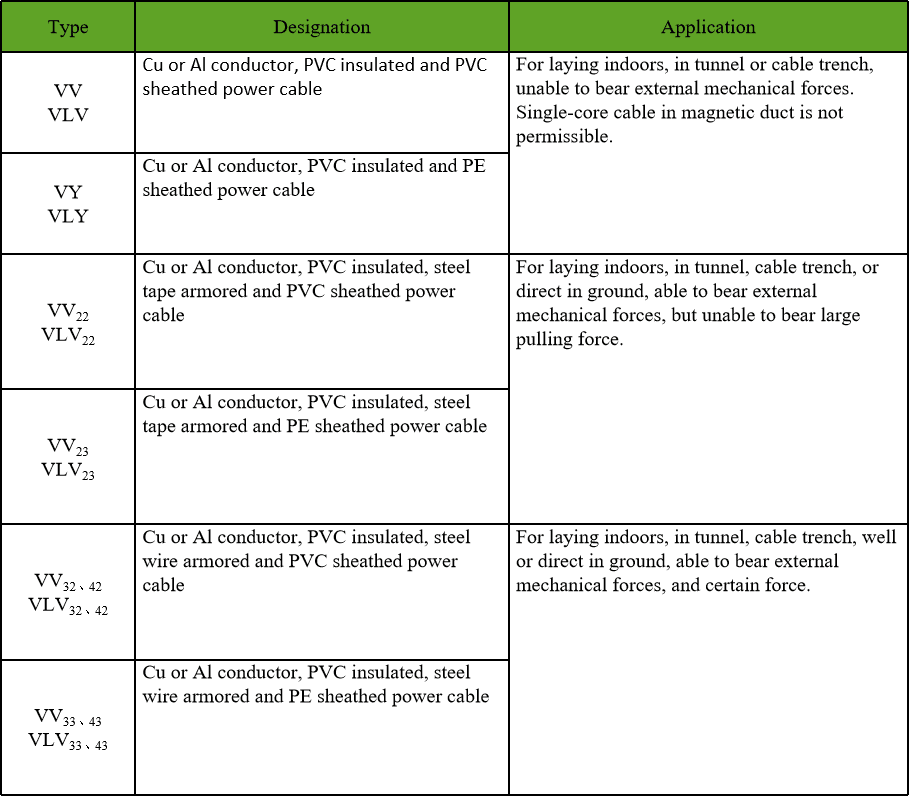
- Required conductor, insulation, sheath and armor details
- Destination, delivery stages and required records
- crane span and lifting-capacity range
- girder welding, machining and hoist-assembly loads
- shared cranes, extraction and ventilation
- normal and maximum load-test cases
- indoor, flexible or outdoor test-route details
For crane manufacturing factory projects, references such as IEC 60502, IEC 60228 and IEC 60332 can help both sides use consistent terminology. They do not replace the approved specification or the buyer's responsibility to confirm the design.
How JINCHUAN Cable supports crane manufacturing factory decisions
For overhead crane manufacturers, lifting-equipment engineers and factory contractors evaluating the crane manufacturing factory power cable supplier, JINCHUAN Cable can review permanent fabrication circuits, flexible bay distribution and test-area routes as separate but connected requirements.
The proposal can state cable construction, delivery groups and documentation clearly while the approved lifting test and system protection remain the responsibility of the qualified project team.
Buyers can review JINCHUAN Cable products and learn more about the JINCHUAN Cable company. Share the project purpose, critical loads, route conditions, quantities, destination and expected records to create a stronger basis for technical and commercial comparison.
Send the bay layout, product range and test procedure inputs so the quotation can be compared against reliable crane release and future workshop use.
FAQ
What should buyers expect from a crane manufacturing factory power cable supplier?
Buyers should expect the proposal to connect cable construction with long fabrication bays, moving work, heavy handling, test loads and project-specific handover, not merely repeat conductor sizes from a schedule.
Which part of the crane manufacturing factory should be mapped first?
Start with plate cutting, girder fabrication, welding, machining, hoist assembly, painting, electrification and load testing. This shows which supporting loads can interrupt more than one production stage.
How should quotations for the crane manufacturing factory be compared?
Compare the stated route assumptions, operating duty, included records, delivery grouping and exclusions beside price. That exposes scope differences before approval.
Which route conditions matter in a crane manufacturing factory?
The inquiry should distinguish long welding bays, crane-covered assembly areas, paint zones, outdoor yards, temporary test setups and heavy vehicle routes. Broad labels such as indoor or industrial are rarely precise enough for a useful review.
What hidden risk deserves attention in this project?
A common hidden risk is treating the load test as a temporary final activity even though test power, weights, controls and bay availability can delay shipment. Its production consequence may be greater than the connected load suggests.
Should future changes be discussed before ordering?
Yes. longer bridge spans, heavier hoists, automated welding and expanded indoor or outdoor load-test capacity can affect route capacity, circuit names, distribution space and the value of today's approval records.
Which records help after installation?
Useful records include bay names, machine and test identities, route-protection notes, approved construction, test documents and as-built changes. They help receiving, installation and maintenance teams connect each cable with its purpose.
Which technical references may support the discussion?
IEC 60502, IEC 60228 and IEC 60332 may provide common terminology, while the approved project specification remains the final design basis.
What should be sent with the first RFQ?
Send the cable or load schedule plus project details such as crane span and lifting-capacity range, girder welding, machining and hoist-assembly loads, shared cranes, extraction and ventilation, normal and maximum load-test cases, indoor, flexible or outdoor test-route details. Clear inputs allow suppliers to identify assumptions instead of guessing.
How can JINCHUAN Cable support the crane manufacturing factory?
JINCHUAN Cable can review the schedule, routes, operating conditions, quantities and required records against the result the buyer needs to protect: stable girder fabrication, reliable hoist assembly, controlled electrification and dependable load testing.