
A packaging machinery factory power cable supplier should support a factory where the product changes with every customer. One project may be a compact filler, while the next combines conveyors, robots, vision, inspection and case packing across a long runoff bay.
The direct answer is to preserve stable infrastructure around changing projects. Permanent assembly zones, panel-test points and runoff-bay limits should remain clear even when every machine has a different project number.
This guide moves from that principle through a decision tree, project timeline and practical audit.
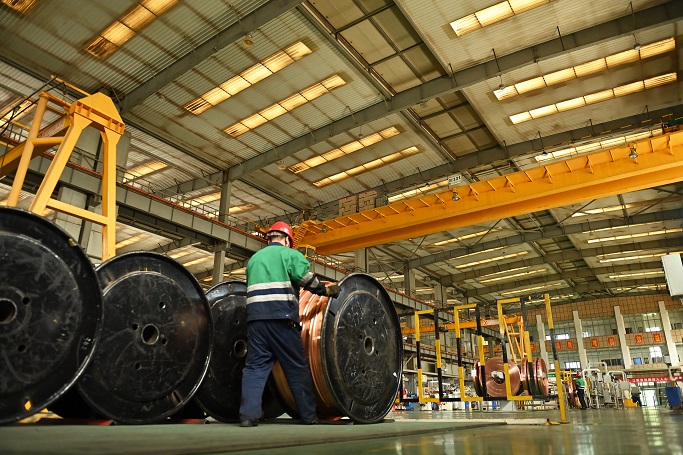
Separate permanent factory capacity from customer-specific machinery
A packaging machine assembly cable may serve tools, lifts, local automation and temporary machine connections inside a stable bay. The bay identity should remain permanent while project numbers describe the equipment passing through it.
A control panel test cable belongs to another workflow involving panel power-up, instruments, software checks and documented test stages. Those activities may occur before the complete machine is assembled.
A packaging machinery factory power cable supplier should ensure that a packaging line runoff test cable reflects the approved project envelope, including conveyors, servo drives, robots, inspection equipment and customer-product trial duration.
Which runoff-bay arrangement matches the machinery business?
Choose the branch that reflects machine size, configuration variety and test frequency.
Compact machines repeat within a stable range
Dedicated test points can provide clear limits, fast setup and repeatable records.
Long integrated lines change by project
Zone-based distribution and approved connection points support flexible layouts without losing permanent bay identities.
Several projects run simultaneously
Separate project groups and shared utilities so one test does not hide the consequence for another bay.
Customer product or utilities are required
Document temporary air, water, heat, coding, vision or material interfaces and their owners before runoff begins.
The cable offer should state the assumed branch and the limits beyond which another engineering review is needed.
A machine-project timeline from frame to customer runoff
Aligning cable decisions with project stages reduces late test changes and makes records easier to close.
Stage 1: Fabricate and prepare the frame
Confirm permanent fabrication machines and material-handling routes.
Stage 2: Build panels and machine modules
Use stable panel-shop and assembly-zone identities while project modules remain traceable.
Stage 3: Complete wiring and software checkout
Separate local module tests from the full-line operating envelope.
Stage 4: Run the machine dry
Verify motion, safety interfaces and controls under the approved project procedure.
Stage 5: Conduct product runoff
Include customer material, full-line auxiliaries, expected duration and simultaneous project use.
Stage 6: Close handover and dispatch
Link final cable records with permanent factory infrastructure and project-specific temporary changes.
The timeline helps purchasing request the right information before the cable package or temporary test arrangement is finalized.
A capacity map for configurable packaging projects
The table converts a changing project portfolio into stable factory planning questions.
| Factory area | Variable demand | What should remain permanent |
|---|---|---|
| Fabrication | Frame and guard size | Machine identities, cranes and extraction |
| Assembly bays | Machine length and module count | Zone names, approved connection points and route capacity |
| Panel shop | Panel quantity and test sequence | Stable test points, instruments and records |
| Runoff bay | Servo, robot, conveyor and utility load | Project envelope, bay limits and temporary-interface rules |
| Dispatch | Disassembly and packing sequence | Labels, cable records and project traceability |
Runoff-readiness audit before customer attendance
The audit helps prevent a cable or utility gap from consuming the limited acceptance-test window.
- The complete line load and starting or drive arrangements are approved.
- Shared air, cooling, extraction and test utilities have sufficient documented capacity.
- Temporary product and customer interfaces have named owners.
- Bay and project identities match schedules, labels and test documents.
- Safety and control approval remain with the qualified machine team.
- The final factory records distinguish permanent infrastructure from project-specific connections.
Any missing input should be closed before customer runoff rather than solved through undocumented temporary changes.
Scenario: a larger integrated line exceeds the old runoff bay
Situation: A machinery builder wins a project combining primary packaging, vision inspection, case packing and palletizing.
Finding: Individual modules fit the factory, but simultaneous servo, robot, conveyor and utility demand exceeds the documented runoff arrangement for earlier machines.
Decision: The team creates a project load envelope, uses zone-based connection points and records temporary customer-product interfaces separately.
Expected result: The machine can be tested as an integrated line and the permanent bay record remains useful for the next project.
What should buyers compare beyond cable price?
Packaging machinery factories need a proposal that remains useful across different customer projects.
Construction and route assumptions
Best fit: buyers confirming whether cable details match the permanent factory zone. The offer should state actual conditions rather than one generic indoor description.
Identification and delivery
Best fit: installation teams working across several machine projects. Labels and drum groups should connect with bay, panel and project identities.
Records and exclusions
Best fit: engineering teams closing customer acceptance and future capacity reviews. The document register should show included tests, revisions and interfaces owned by others.
The best commercial comparison makes these differences visible before the order is awarded.
RFQ details for configurable machine assembly and runoff
The inquiry should describe the project envelope and permanent bay limits so the supplier can distinguish repeatable infrastructure from one-off test needs.
- System voltage and frequency
- Load or cable schedule
- Motor ratings and starting method
- Route length and installation method
- Actual wet, dusty, hot, outdoor or mechanical conditions
- Required conductor, insulation, sheath and armor details
- Destination, delivery stages and required records
- machine and integrated-line size range
- servo, robot, conveyor and auxiliary loads
- panel-test and software-checkout stages
- runoff duration and simultaneous projects
- temporary customer-product utilities and records
For packaging machinery factory projects, references such as IEC 60502, IEC 60228 and IEC 60332 can help both sides use consistent terminology. They do not replace the approved specification or the buyer's responsibility to confirm the design.
How JINCHUAN Cable supports packaging machinery factory decisions
For packaging equipment manufacturers, automation engineers and factory project teams evaluating the packaging machinery factory power cable supplier, JINCHUAN Cable can review fabrication, assembly, panel-test and runoff-bay cable groups against the buyer's stated project envelope.
The proposal can document construction, routes, identification and handover evidence while machine safety, controls and customer acceptance remain with qualified automation specialists.
Buyers can review JINCHUAN Cable products and learn more about the JINCHUAN Cable company. Share the project purpose, critical loads, route conditions, quantities, destination and expected records to create a stronger basis for technical and commercial comparison.
Send the runoff-bay map and largest planned project envelope so the quotation can support flexible testing without losing permanent factory control.
FAQ
What should buyers expect from a packaging machinery factory power cable supplier?
Buyers should expect the proposal to connect cable construction with configurable assembly cells, controls, servo loads, customer-product runoff and project handover, not merely repeat conductor sizes from a schedule.
Which part of the packaging machinery factory should be mapped first?
Start with frame fabrication, mechanical assembly, panel build, wiring, software checkout, dry run, product runoff, inspection and packing. This shows which supporting loads can interrupt more than one production stage.
How should quotations for the packaging machinery factory be compared?
Compare the stated route assumptions, operating duty, included records, delivery grouping and exclusions beside price. That exposes scope differences before approval.
Which route conditions matter in a packaging machinery factory?
The inquiry should distinguish fabrication areas, configurable assembly bays, panel shops, software or instrument rooms, customer-product test zones and dispatch areas. Broad labels such as indoor or industrial are rarely precise enough for a useful review.
What hidden risk deserves attention in this project?
A common hidden risk is treating each custom machine as a one-off temporary load and losing a stable record of assembly-bay and runoff-test capacity. Its production consequence may be greater than the connected load suggests.
Should future changes be discussed before ordering?
Yes. larger integrated lines, more servo axes, vision systems, customer-product trials and additional runoff bays can affect route capacity, circuit names, distribution space and the value of today's approval records.
Which records help after installation?
Useful records include assembly-bay, panel and runoff identities, project load envelopes, temporary interfaces, approved cable data and handover revisions. They help receiving, installation and maintenance teams connect each cable with its purpose.
Which technical references may support the discussion?
IEC 60502, IEC 60228 and IEC 60332 may provide common terminology, while the approved project specification remains the final design basis.
What should be sent with the first RFQ?
Send the cable or load schedule plus project details such as machine and integrated-line size range, servo, robot, conveyor and auxiliary loads, panel-test and software-checkout stages, runoff duration and simultaneous projects, temporary customer-product utilities and records. Clear inputs allow suppliers to identify assumptions instead of guessing.
How can JINCHUAN Cable support the packaging machinery factory?
JINCHUAN Cable can review the schedule, routes, operating conditions, quantities and required records against the result the buyer needs to protect: flexible assembly, reliable control testing, stable runoff trials and traceable machine handover.