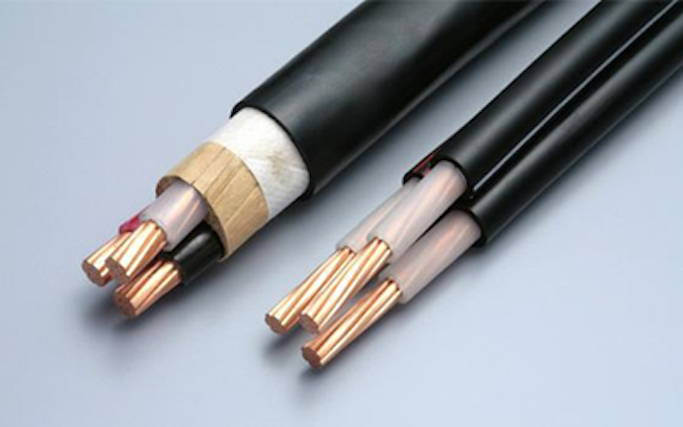

Power cable export packing should protect cable, preserve length and identity, support safe handling and give destination teams the documents needed to receive each drum. The drum schedule is part of project execution.
Buyers should define net length, destination, drum limits, end sealing, weather protection, markings, loading and shipping documents before cutting. Tested cable can still create delay if the wrong length reaches the wrong work front.
This guide covers buyer questions about cable drum packing, export markings, shipping documents and destination-ready delivery.
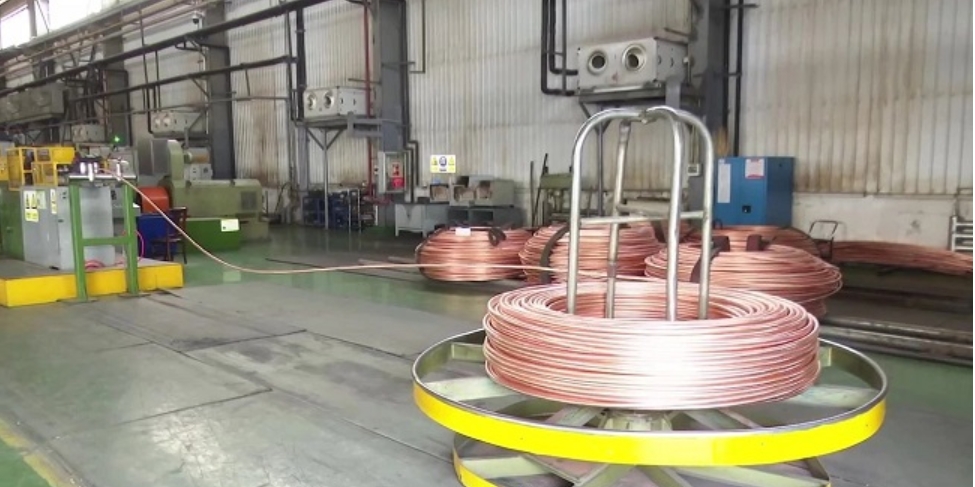
A cable export handoff from cutting to site receipt
The power cable export packing should follow named handoffs from production input to released output.
| Work stage | Primary owner | Required output |
|---|---|---|
| Approve drum schedule | Production engineering | Released plan; confirm length, destination and handling. |
| Wind and protect | Plant engineering | Protected drum; confirm drum condition, sealing and clearance. |
| Mark and inspect | Quality team | Packing evidence; confirm cable, length, weight and destination. |
| Load and document | Construction team | Dispatch package; confirm chocking, shipment and papers. |
| Receive | Maintenance team | Receiving record; confirm identity, condition, documents and storage. |
The controlled handoff preserves identity from factory to work front.
Scenario: container optimization creates unusable lengths
Situation: A buyer accepts a plan optimized only for container space.
Finding: Several lengths do not match installation routes.
Decision: Allocation is revised by destination within handling limits.
Expected result: The next delivery improves usable yield and sequencing.
Packing decisions to freeze before cable cutting
A useful power cable export packing starts with a defined buyer, production outcome and project boundary. The following distinctions prevent a general factory inquiry from becoming an unqualified product request.
Destination length
Use verified routes and work-front identity.
Drum limit
Confirm capacity, lifting, weight and site equipment.
Transit exposure
Define sealing, wrap and storage.
Marking and documents
Approve destination and shipment fields.
Export Packing Decision Table for cable drums
Use this specification table to compare each power cable export packing on the same approved project basis. Values are inputs to confirm, not assumptions for the supplier to invent.
| Specification item | Project input | Evidence to retain |
|---|---|---|
| Electrical system | Released purchase order, cable schedule, datasheet and approved technical clarifications | Approved single-line diagram and load schedule |
| Conductor and size | Buyer-defined material, cross-section and circuit duty | Cable schedule and engineering approval |
| Insulation and sheath | Ordered construction matched with the buyer-approved installation and service environment | Route map and environmental boundary |
| Mechanical protection | Drum, flange, lifting, chocking and loading suitable for agreed handling | Installation method and risk review |
| Fire performance | Project-required performance and test reference | Approved specification and test documents |
| Identification | Permanent order, cable, batch, length, drum and destination identities linked with final records | Drum list, cable register and final revision |
A compliant schedule makes technical and commercial differences visible before the international power cable export shipment cable order is released.
Cable drum and document red flags
Each warning sign shows where the power cable export packing may be based on a route description that is too broad.
Red flag: Maximum length used everywhere
Why it matters: Site routes may require different allocation Better requirement: Destination drum schedule
Red flag: Ends protected but not identified
Why it matters: Receiving cannot reconcile cable Better requirement: Durable end and flange marks
Red flag: Packing list shows only totals
Why it matters: Lengths and destinations remain unclear Better requirement: Drum-level packing list
Red flag: Photos replace inspection
Why it matters: Images do not prove every check Better requirement: Checklist plus visual evidence
Packing evidence should prove physical protection and documentary accuracy.
Compare three cable export delivery configurations
This comparison does not select a cable by industry label. It shows how three international power cable export shipment project configurations change the evidence a supplier must review.
| Project configuration | Defining features | Main advantage | Best fit | Relative cost level |
|---|---|---|---|---|
| Containerized drums | Sized and secured for containers | Predictable logistics | Regular shipments | Medium |
| Oversized drums | Longer lengths and heavy lifting | Fewer joints | Infrastructure routes | High |
| Staged packages | Grouped by work front | Faster receiving | Phased projects | Medium-high |
Shipment configuration should be approved with length and site plans.
Export packing scorecard before dispatch
Use this scorecard to test the quality evidence behind a power cable export packing. Certification names alone do not replace project-specific inspection and traceability.
| Criterion | Question | Evidence to request |
|---|---|---|
| Drum suitability | Are capacity, condition and handling satisfied? | Drum schedule |
| Cable protection | Are ends and exposed surfaces protected? | Packing checklist |
| Identity accuracy | Do cable, drum and destination reconcile? | Marking check |
| Document completeness | Do documents reflect loaded drums? | Final packing list |
Dispatch waits until physical shipment and documents describe the same drums.
How should buyers choose a drum plan?
Which branch protects accepted protected and correctly documented cable delivery while meeting the required delivery date?
Continuity is priority
Use the longest practical verified length.
Site access is restricted
Use drums site equipment can manage.
Transit is harsh
Increase approved protection and receiving checks.
Work fronts share shipment
Separate destination identities and drum groups.
The best plan balances continuity, usable length, logistics and handling.
What determines cable export packing cost?
The quoted price for a power cable export packing is meaningful only when route, quantity, testing, delivery and exclusions use the same basis.
| Cost driver | Project impact | Control before ordering |
|---|---|---|
| Drum size | Capacity affects freight | Approve early |
| Custom lengths | More cuts add handling | Use verified routes |
| Protection | Exposure changes sealing | State conditions |
| Loading | Shipment methods differ | Coordinate freight |
| Documents | Custom formats add work | Approve list |
Compare packing cost with damage prevention and site labor savings.
Custom drum and document questions
OEM and project customization should make the power cable export packing easier to approve, receive, install and maintain.
Can drums follow destinations?
Approved work-front identities can be applied.
Can buyers specify lengths?
Verified lengths can be planned within constraints.
Can lists use buyer codes?
Codes can link with factory identities.
Can packing support storage?
Define exposure and inspection responsibility.
Custom packing should simplify receiving while retaining traceability.
Cable export packing information to provide
The RFQ should connect cable length, drum, transit and destination.
- System voltage and frequency
- Load or cable schedule
- Motor ratings and starting method
- Route length and installation method
- Actual wet, dusty, hot, outdoor or mechanical conditions
- Required conductor, insulation, sheath and armor details
- Destination, delivery stages and required records
- net lengths and destinations
- drum and lifting limits
- transit and storage exposure
- marking fields
- packing and export documents
For international power cable export shipment projects, references such as IEC 60502, IEC 60228 and IEC 60332 can help both sides use consistent terminology. They do not replace the approved specification or the buyer's responsibility to confirm the design.
How JINCHUAN Cable supports international power cable export shipment decisions
For cable importers, project logistics teams, distributors and site receiving managers evaluating the power cable export packing, JINCHUAN Cable can review buyer-approved schedules, drum allocation, marking, packing lists and delivery records, quantities, identification and document requirements for the international power cable export shipment.
The response can state assumptions, evidence and exclusions while final system design, protection, compliance approval and installation remain with qualified project teams responsible for the international power cable export shipment.
Buyers can review JINCHUAN Cable products and learn more about the JINCHUAN Cable company. Share the project purpose, critical loads, route conditions, quantities, destination and expected records to create a stronger basis for technical and commercial comparison.
Send the approved schedule and drum and shipping-document requirements to request a quotation with a traceable evidence package.
FAQ
What should buyers expect from a power cable export packing?
Buyers should expect the proposal to connect cable construction with drum size, cable length, flange condition, end sealing, weather protection, lifting, loading, labels and packing list, not merely repeat conductor sizes from a schedule.
Which part of the international power cable export shipment should be mapped first?
Start with length review, drum allocation, winding, end sealing, marking, protective packing, inspection, loading, export documents and receiving. This shows which supporting loads can interrupt more than one production stage.
How should quotations for the international power cable export shipment be compared?
Compare the stated route assumptions, operating duty, included records, delivery grouping and exclusions beside price. That exposes scope differences before approval.
Which route conditions matter in a international power cable export shipment?
The inquiry should distinguish factory handling, outdoor storage, container or breakbulk loading, marine transit, destination storage and site movement. Broad labels such as indoor or industrial are rarely precise enough for a useful review.
What hidden risk deserves attention in this project?
A common hidden risk is treating drums as disposable packaging without checking usable length, handling limits, exposure and destination. Its production consequence may be greater than the connected load suggests.
Should future changes be discussed before ordering?
Yes. staged shipments, destination changes, long storage, new container plans, site crane limits and repeat deliveries can affect route capacity, circuit names, distribution space and the value of today's approval records.
Which records help after installation?
Useful records include drum schedule, length record, marking approval, packing checklist, packing list, transport record and receiving report. They help receiving, installation and maintenance teams connect each cable with its purpose.
Which technical references may support the discussion?
IEC 60502, IEC 60228 and IEC 60332 may provide common terminology, while the approved project specification remains the final design basis.
What should be sent with the first RFQ?
Send the cable or load schedule plus project details such as net lengths and destinations, drum and lifting limits, transit and storage exposure, marking fields, packing and export documents. Clear inputs allow suppliers to identify assumptions instead of guessing.
How can JINCHUAN Cable support the international power cable export shipment?
JINCHUAN Cable can review the schedule, routes, operating conditions, quantities and required records against the result the buyer needs to protect: protected cable, usable lengths, readable identity, efficient loading, complete documents and faster receiving.