
A sawmill power cable supplier serves an operation where logs move through debarking, primary cutting, edging, sorting, drying and storage. The visible production machines depend on conveyors, hydraulics, extraction fans and utility systems that often operate in dust, vibration and outdoor moisture.
Buyers therefore need more than a generic industrial cable description. They need a cable plan that reflects how timber flows through the site, which motors are difficult to restart and where a failure would leave material stranded in the process.
Timber keeps moving only when every supporting system is available
A saw line power cable supports machines with changing loads and demanding mechanical surroundings. Debarkers, band saws, edgers and chippers can create vibration and heavy maintenance activity. Routes should remain identifiable and protected even when the production floor is busy.
A wood drying kiln cable faces a different operating environment. Heat, long cycles and the importance of fans or controls mean that kiln circuits should be separated from ordinary yard or warehouse loads in both discussion and records.
Where sawmill and timber processing plant cable decisions affect customers most
Outdoor routes connect the whole site
Log yards, conveyors and transfer points may be exposed to rain, sunlight and seasonal temperature changes. The inquiry should identify these sections rather than assuming the same conditions as the enclosed saw line.
Wood dust makes shared systems important
Dust extraction fans and collection equipment protect the working environment and support continuous production. A sawmill conveyor cable or extraction feeder may look secondary beside a main saw, but its failure can quickly stop material flow.
Vibration and maintenance activity shape route risk
Sawmill equipment receives frequent blade, hydraulic and mechanical work. Cable routes near service areas should be clear and protected from repeated disturbance. Maintenance access is part of reliability, not an issue to consider after installation.
Kilns create long-duration operating priorities
Drying kilns run on schedules that do not align neatly with the saw line. Fans, controls and supporting equipment need dependable power because an interruption can affect an entire drying cycle rather than one production shift.
Connecting a new kiln to an operating sawmill
Adding a kiln often means extending power across an existing yard. The shortest route on a drawing may cross log handling areas, exposed structures or spaces needed by mobile equipment. A cable decision based only on length can overlook how the site is actually used.
A better review combines the kiln load with the physical route and the installation window. JINCHUAN Cable can respond to the heat, outdoor sections, drum lengths and operating priority as one connected requirement.
The plant gains a cable package that is easier to install without disrupting production and easier to recognize during future kiln maintenance.
Choosing the right sawmill power cable supplier by business value
For timber producers, sawmill engineers and maintenance teams, supplier comparison should begin with the results the project must protect: steady material flow, kiln-cycle reliability, dust control and safe maintenance. The cable proposal should show how its assumptions connect with those operating priorities.
Price still matters in sawmill and timber processing plant projects, but it should be read beside route conditions, critical loads, cable identity and what is included in the offer. A lower figure can become expensive if site teams later discover that the route, operating duty or delivery grouping was misunderstood.
The most useful sawmill and timber processing plant proposal is easy for different teams to read. Engineering can understand construction and duty, purchasing can see commercial scope, and maintenance can recognize how the cable will be identified after installation.
Seasonal production makes records more valuable
Timber facilities may change shifts, product sizes and drying capacity with demand. Accurate circuit and route records help the plant understand where capacity exists and which feeders were selected for a specific environment.
When new conveyors or kilns are added, those records let the supplier compare the new duty with the approved baseline. The conversation becomes about the change, not a complete rediscovery of the old project.
Turning operating needs into clear cable requirements
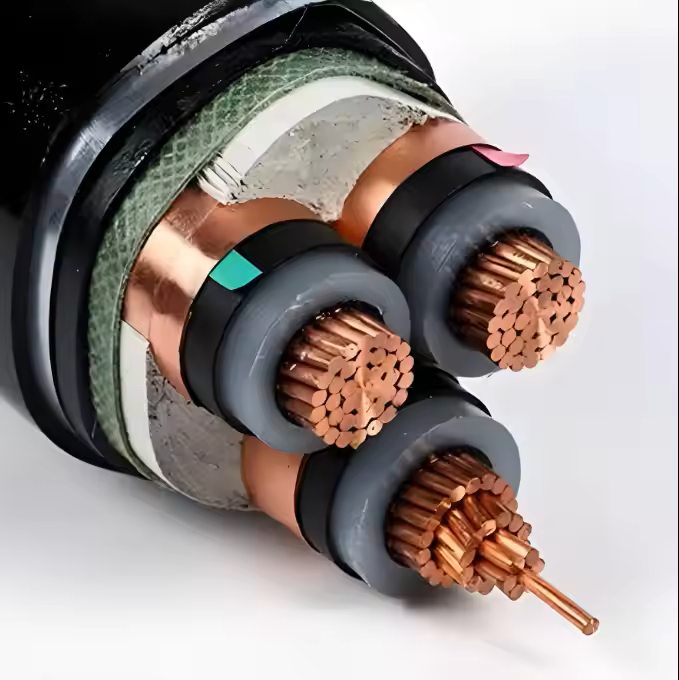
Technical detail matters when it is connected to the operation. Voltage, conductor, insulation, sheath, armor, fire performance and motor duty should be discussed in relation to the sawmill and timber processing plant route and operating consequence.
For sawmill and timber processing plant projects, references such as IEC 60502, IEC 60228 and IEC 60332 can help both sides use consistent terminology. They do not replace the project specification or the buyer's responsibility to confirm the design. Their value is to make supplier discussions clearer and easier to compare.
How JINCHUAN Cable supports sawmill and timber processing plant projects
For buyers evaluating the sawmill power cable supplier, JINCHUAN Cable can support sawmill projects by linking cable selection with material flow, outdoor exposure, kiln duty and dust extraction. This approach connects the brand with productivity and maintenance rather than only product construction.
sawmill and timber processing plant buyers can explore JINCHUAN Cable products and learn more about the JINCHUAN Cable company. For a quotation, share the project purpose, critical loads, route conditions, cable schedule, quantities, destination and expected approval records.
That information allows JINCHUAN Cable to respond to the way the sawmill and timber processing plant operates. It also gives buyers a stronger basis for comparing offers and preserving useful records for future maintenance or expansion.
FAQ
What should buyers expect from the sawmill power cable supplier?
Buyers should expect a discussion that connects cable construction with the operating conditions, critical loads and future plans of the sawmill and timber processing plant.
Why is cable planning important for sawmill and timber processing plant projects?
Cable planning for the sawmill and timber processing plant supports uptime by keeping critical systems, shared utilities, route conditions and maintenance needs visible before installation.
Is the lowest cable price always the best value?
No. Supplier comparison for sawmill and timber processing plant projects should include operating fit, route assumptions, identification, included records, packing and the risk of changes after approval.
How can buyers make the first inquiry more useful?
Describe the sawmill and timber processing plant operating problem, explain what must keep running and attach technical data that supports that requirement.
Can JINCHUAN Cable review this type of sawmill and timber processing plant project?
Yes. JINCHUAN Cable can review the sawmill and timber processing plant cable schedule, loads, routes, site conditions, quantities and document expectations supplied by the buyer.
Why do equipment and route names matter?
In sawmill and timber processing plant projects, they help engineering, receiving, installation and maintenance teams connect each cable with its actual purpose throughout the project.
Should future expansion be discussed before ordering?
Yes. Known sawmill and timber processing plant expansion stages can affect route space, distribution planning, circuit naming and the usefulness of today's cable records.
Which technical references may be discussed?
Teams working on sawmill and timber processing plant projects may discuss IEC cable and conductor references, but the approved project specification remains the final basis for the order.
What information makes the first supplier reply more useful?
For sawmill and timber processing plant projects, provide the load list, voltage, route, installation environment, operating dependencies, quantities, destination and required records.
How does a clear cable discussion help a buyer?
It connects the sawmill and timber processing plant cable decision with uptime, maintenance and growth, then gives the buyer a practical basis for supplier comparison.