
A UPS factory power cable supplier should help the buyer convert assembled cabinets into verified critical-power systems. Battery integration, thermal operation and load testing can limit shipments even when electronics assembly has spare capacity.
The useful cable plan separates clean assembly, battery work and high-power test areas while recording the normal and maximum product range.
This guide compares weak and strong planning, then identifies cost and red-flag items before ordering.
Scenario: modular UPS growth fills the load-test calendar
Situation: A factory adds assembly cells for a modular UPS product family.
Finding: Cabinet output rises, but battery preparation, heat rejection and load-bank occupancy remain arranged for conventional systems.
Decision: The buyer maps product variants through battery and load tests, then expands the affected power, cooling and instrument groups.
Expected result: The project is judged by verified systems per week and test-bay limits are visible before startup.
From cabinet-focused planning to release-focused planning
The comparison shows how the cable schedule changes when final testing becomes the business task.
Before: assembly-centered scope
- Cabinet stations receive most attention.
- Battery areas appear as a general utility.
- Cooling is separated from test-bay capacity.
- Temporary model names define circuits.
After: verified-system scope
- Assembly, battery and test stages share one product path.
- Battery chemistry and room boundaries are explicit.
- Cooling is tied to simultaneous test duty.
- Permanent bay and family names support future ratings.
Release-focused planning gives purchasing and maintenance a more durable record.
A UPS is not finished until battery and load tests are complete
A useful UPS factory power cable supplier begins by mapping power-module assembly, control integration, cabinet build, battery preparation, functional checks, thermal run, load testing and packing. The schedule should connect every important cable group with production flow, quality or final release before suppliers are compared.
A UPS assembly line cable may support modules, cabinets and controls across flexible product cells. Stable family and station names should survive model changes.
A battery integration area cable and UPS load test bench cable require the approved chemistry, rating, test duration, cooling and safety arrangements. Their final-release consequence should be explicit.
UPS factory cost drivers beyond cable size
These factors can change scope and project risk significantly.
| Cost driver | Project impact | Control before ordering |
|---|---|---|
| Rating and voltage range | Changes test duty and distribution | Provide normal and maximum products |
| Battery chemistry and layout | Changes room, route and safety assumptions | Use the approved battery plan |
| Heat rejection | Limits simultaneous test capacity | Map cooling with every served bay |
| Load-bank arrangement | Affects routes, controls and occupancy | State indoor, shared or outdoor configuration |
| Evidence package | Missing records delay release or customer review | Agree tests, labels and revisions |
These drivers should be aligned before commercial totals are compared.
Four checkpoints for UPS battery and test areas
Each checkpoint should have an approved buyer input and a visible supplier response.
Product envelope
State normal and maximum UPS ratings, voltages and modular configurations.
Battery boundary
Identify chemistry, preparation, integration and room conditions.
Test and cooling dependency
Connect load banks, controls, instruments and heat rejection.
Permanent records
Use stable bay names across labels, schedules and final evidence.
A staged route to dependable UPS test capacity
The sequence keeps product, room and test assumptions aligned.
Stage 1: Define product and battery families
Record ratings, voltages, chemistry and normal mix.
Stage 2: Map assembly and battery flow
Separate clean electronics, cabinet and battery areas.
Stage 3: Build the test-duty envelope
Include load profile, duration, simultaneous bays and cooling.
Stage 4: Release installation groups
Match cable drums and records with construction stages.
Stage 5: Verify future modular growth
Confirm route and distribution capacity for the next rating.
A staged plan reduces late changes and preserves a reliable expansion baseline.
Red flags in UPS factory cable quotations
These signs indicate that test or battery assumptions remain incomplete.
Red flag: Only maximum UPS rating is stated
Why it matters: typical mix and simultaneous tests also control demand Better requirement: Provide normal and maximum duty cases.
Red flag: Battery areas have no separate route description
Why it matters: chemistry and work practice matter Better requirement: Use the approved battery-room plan.
Red flag: Cooling is listed as a general utility
Why it matters: its loss can stop multiple test bays Better requirement: Map dependencies and standby.
Red flag: Load banks are outside the test map
Why it matters: they are part of final acceptance Better requirement: Include feeders, controls and routes.
Red flag: Temporary product codes define circuits
Why it matters: records fail after model changes Better requirement: Use permanent bay and family identities.
Closing these red flags creates a more trustworthy technical and commercial comparison.
RFQ details for UPS battery integration and load tests
The supplier needs the product, battery and test envelope to understand final-release requirements.
- System voltage and frequency
- Load or cable schedule
- Motor ratings and starting method
- Route length and installation method
- Actual wet, dusty, hot, outdoor or mechanical conditions
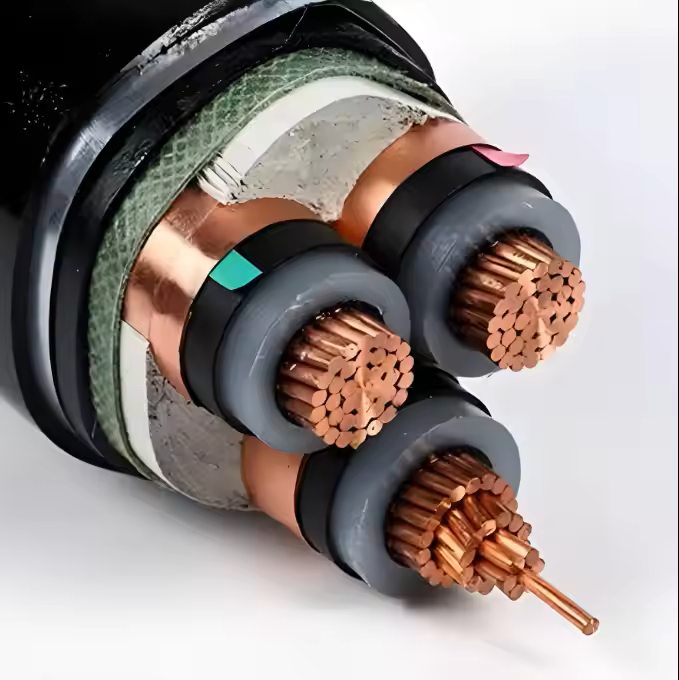
- Required conductor, insulation, sheath and armor details
- Destination, delivery stages and required records
- UPS rating, voltage and product mix
- assembly and battery-area layout
- battery chemistry and integration method
- load-test profile, duration and simultaneous bays
- cooling, route and evidence requirements
For UPS factory projects, references such as IEC 60502, IEC 60228 and IEC 60332 can help both sides use consistent terminology. They do not replace the approved specification or the buyer's responsibility to confirm the design.
How JINCHUAN Cable supports UPS factory decisions
For UPS manufacturers, critical-power engineers and factory project teams evaluating the UPS factory power cable supplier, JINCHUAN Cable can review assembly, battery and load-test cable groups against the approved product and factory information supplied by the buyer.
The proposal can make construction, routes, labels and records clear while battery safety, testing and protection remain with qualified project specialists.
Buyers can review JINCHUAN Cable products and learn more about the JINCHUAN Cable company. Share the project purpose, critical loads, route conditions, quantities, destination and expected records to create a stronger basis for technical and commercial comparison.
Send the product and load-test envelope to obtain a quotation connected with verified UPS output and future modular systems.
FAQ
What should buyers expect from a UPS factory power cable supplier?
Buyers should expect the proposal to connect cable construction with power-rating range, battery variants, heat rejection, load-bank occupancy, test safety and traceability, not merely repeat conductor sizes from a schedule.
Which part of the UPS factory should be mapped first?
Start with power-module assembly, control integration, cabinet build, battery preparation, functional checks, thermal run, load testing and packing. This shows which supporting loads can interrupt more than one production stage.
How should quotations for the UPS factory be compared?
Compare the stated route assumptions, operating duty, included records, delivery grouping and exclusions beside price. That exposes scope differences before approval.
Which route conditions matter in a UPS factory?
The inquiry should distinguish electronics areas, cabinet lines, battery rooms, heated test bays, cooling systems, load banks and dispatch zones. Broad labels such as indoor or industrial are rarely precise enough for a useful review.
What hidden risk deserves attention in this project?
A common hidden risk is expanding cabinet assembly while battery preparation, cooling or load-test occupancy controls final release. Its production consequence may be greater than the connected load suggests.
Should future changes be discussed before ordering?
Yes. higher UPS ratings, lithium battery options, modular systems and additional test bays can affect route capacity, circuit names, distribution space and the value of today's approval records.
Which records help after installation?
Useful records include product-family and bay identities, battery assumptions, test-rating ranges, cooling dependencies and final revisions. They help receiving, installation and maintenance teams connect each cable with its purpose.
Which technical references may support the discussion?
IEC 60502, IEC 60228 and IEC 60332 may provide common terminology, while the approved project specification remains the final design basis.
What should be sent with the first RFQ?
Send the cable or load schedule plus project details such as UPS rating, voltage and product mix, assembly and battery-area layout, battery chemistry and integration method, load-test profile, duration and simultaneous bays, cooling, route and evidence requirements. Clear inputs allow suppliers to identify assumptions instead of guessing.
How can JINCHUAN Cable support the UPS factory?
JINCHUAN Cable can review the schedule, routes, operating conditions, quantities and required records against the result the buyer needs to protect: flexible electronics assembly, controlled battery integration, stable thermal operation and dependable load-test release.