
An arc flash is not a fault in the usual sense. It is a fault that travels through air, releasing energy as light, heat and pressure at the point where someone is standing.
What makes it manageable is that its severity is governed by two numbers: the current the system can deliver into the fault, and the time the protection takes to interrupt it. One of those is fixed by the network, and the other is a design choice.
The cable end sits in the middle of that calculation. It is where the route arrives, where the terminations are, and often where the work that brings a person closest to live parts is carried out.
Where an Arc Comes From
An arc starts from a small event: a loose connection, a tool slipping, a contaminated surface, a cable end that has absorbed moisture, or a termination that was not tightened to the figure its manufacturer specified.
Once air breaks down, the current path becomes plasma, and the energy released depends almost entirely on how long the supply continues to feed it. A bolted fault trips a device quickly. An arcing fault often does not, because its current is lower and less predictable.
That lower current is the awkward part. It may be too small to reach an instantaneous setting and large enough to destroy equipment, which is exactly the region where protection coordination has to be checked deliberately instead of assumed.
An arc flash is the release of energy when current flows through air between conductors, and its severity follows from the current available and the time it is allowed to flow.
What Sets the Energy
Four factors decide the outcome, and only some of them are within a project's control.
| Factor | Effect on the energy released | Who controls it |
|---|---|---|
| Fault level at the point of work | Higher available current raises the energy for the same duration | Network design and the supply authority |
| Clearing time | Energy rises roughly with the time the arc is sustained | Protection settings and device selection |
| Working distance | Energy falls sharply as the distance from the arc increases | The task and the tools used to do it |
| Enclosure and barriers | Contain the arc and reduce what reaches a person | Equipment design and the installation itself |
Sites that cannot change the fault level usually work on clearing time, distance and enclosure instead.
Clearing time is set by the protection scheme, which makes it the most useful lever a site has when the fault level cannot be changed.
What an Arc Flash Assessment Needs
Five inputs turn a generic arc flash study into one that describes the site as it actually is.
A single line diagram that is current
An assessment built on a superseded diagram describes a network that no longer exists, and the error is invisible in the result.
Device settings as commissioned
The settings in the device are the ones that decide clearing time, and they should be read out rather than taken from a design note.
Cable lengths and sizes
Cable impedance affects the fault current at the far end of a feeder, which is why the route is an input and not a detail.
The tasks people actually perform
Switching, testing, thermography and torque checks happen at different distances and need to be described.
A revision rule
The study should state what triggers a review, because a network that grows eventually invalidates the labels.
Fault level at the point of work is a system figure, and it is one of the two inputs that every arc flash assessment depends on.
Construction Details That Change the Risk
Cable and termination choices influence the hazard indirectly, and the link is worth stating clearly.
| Detail | Why it matters | Common response |
|---|---|---|
| Termination torque | A loose connection creates heat and a place for an arc to start | Torque recorded at the time of fitting, with the tool verified |
| Moisture in the cable end | Contamination lowers the breakdown path across insulation | Sealing checked before energisation, with records |
| Cable impedance | Long or small feeders reduce fault current at the remote end | Protection checked against the reduced figure, not only the source value |
| Enclosure of joints and terminations | Covers and barriers limit what reaches a person | Access controlled, with covers replaced before switching |
None of these is an arc flash control on its own, and together they decide how much of the risk is designed away.
Incident energy is the quantity the assessment produces, expressed at a stated working distance rather than at the conductor itself.
Practices That Reduce Exposure
The practical measures on site are mostly about distance and speed.
- Operate devices remotely where the equipment allows it.
- Complete testing and thermography with covers in place wherever the instrument permits.
- Keep the working distance as designed by standing outside the boundary rather than leaning into it.
- Replace covers and barriers before a circuit is switched, rather than after the next task.
- Avoid working on energised equipment to meet a programme when the circuit can be isolated.
Each of these removes exposure rather than equipping someone to survive it, which is the more durable kind of control.
Working distance is a property of the task, not the equipment, which is why two people doing different jobs at the same cubicle can face different exposure.
A Setting Change That Altered Two Rooms
Situation: A site added a transformer to an existing switchboard and revised the protection settings to keep the new unit coordinated with the existing devices.
Finding: The revision lengthened the clearing time at two outgoing feeders beyond what the existing assessment had used, so the labels in those rooms no longer described the installation.
Decision: The assessment was rerun with the commissioned settings, and the affected labels and work instructions were updated together rather than separately.
Result: The hardware did not change and the risk did, which is the pattern that makes an assessment date important on every label.
Arc Flash Labels, Boundaries and Training
A label is only useful when it carries the assumption behind it. Incident energy means little without the working distance it was calculated at and the date of the study that produced it.
Boundaries convert that calculation into something a person can act on: where to stand, what to wear and which tasks require a permit rather than a routine procedure.
Training then binds the two together. A person who understands why the boundary exists behaves differently from someone who has memorised a category and a set of clothing.
Where maintenance teams change, the labels and the study reference are what carry the reasoning forward, and they survive far better than a briefing given once.
Before Work Starts
Four checks make the difference between a planned task and an improvised one.
Confirm the circuit identity
Confirm it at the equipment rather than from the drawing alone, especially where a route carries several similar feeders.
Read the label and its assumptions
Check the date, the working distance and whether the configuration matches the one the label was produced for.
Confirm the settings are as studied
A device that has been adjusted since the study is a device whose label no longer applies.
Check the condition of the end
Heat damage, moisture and discolouration at a termination are reasons to stop, not details to note later.
What the Cable Supplier Can Confirm
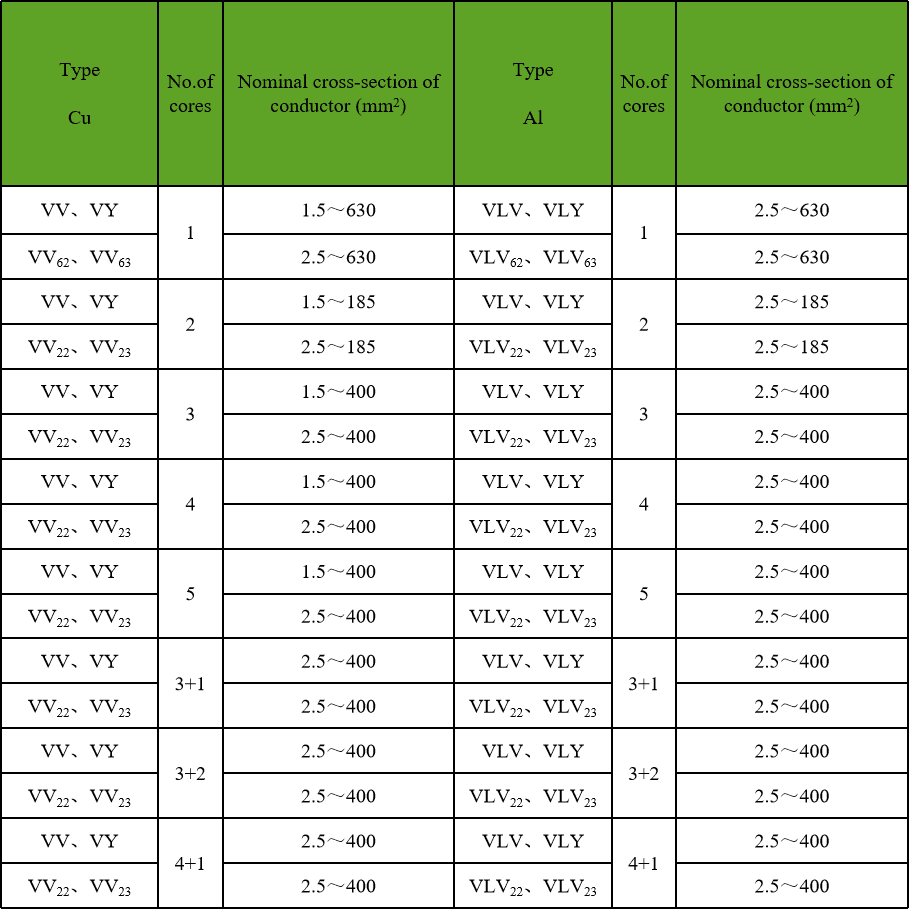
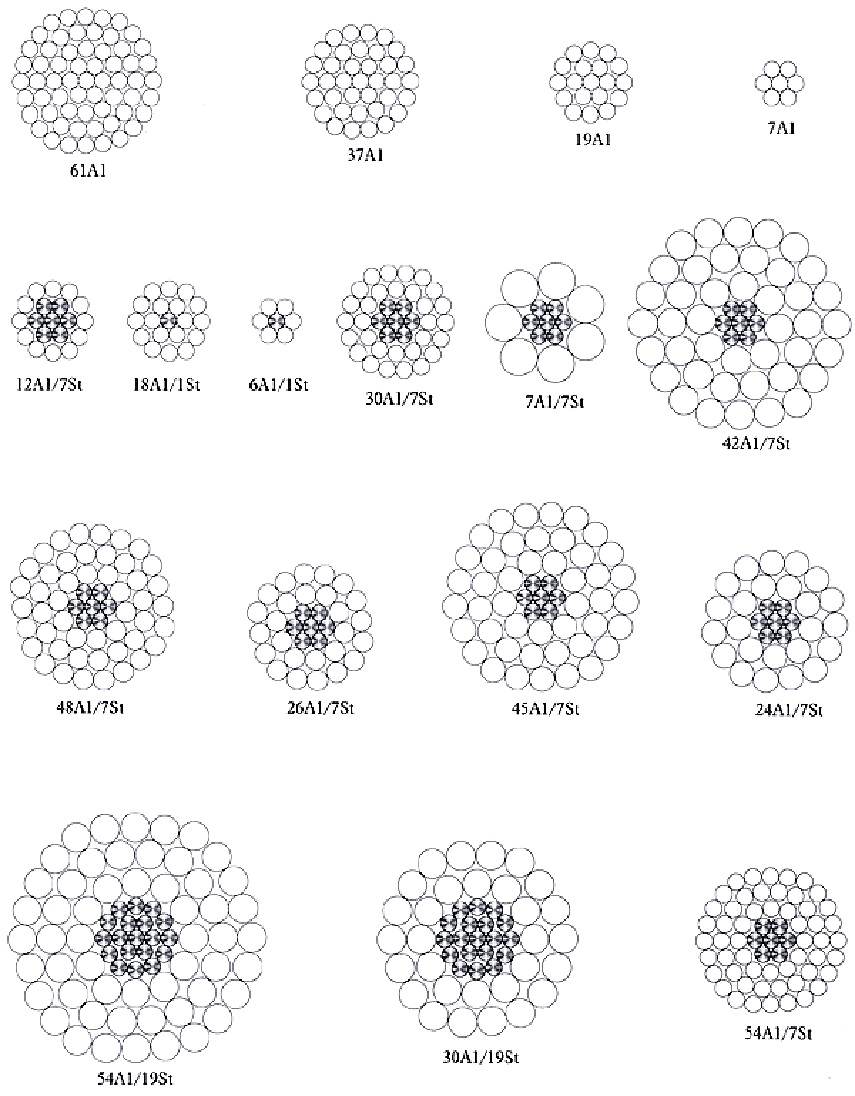
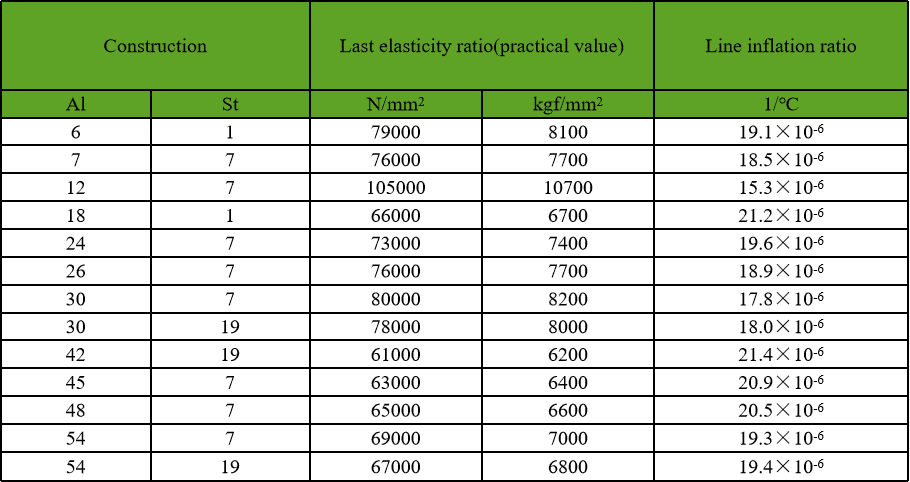
The cable manufacturer does not carry out the arc flash study and cannot set protection. What the manufacturer can supply is the information the study and the installation depend on: conductor size, impedance data, insulation type and the temperature limits of the construction.
Those figures matter at the far ends of long feeders, where cable impedance reduces the fault current enough to change which protective device responds and how quickly.
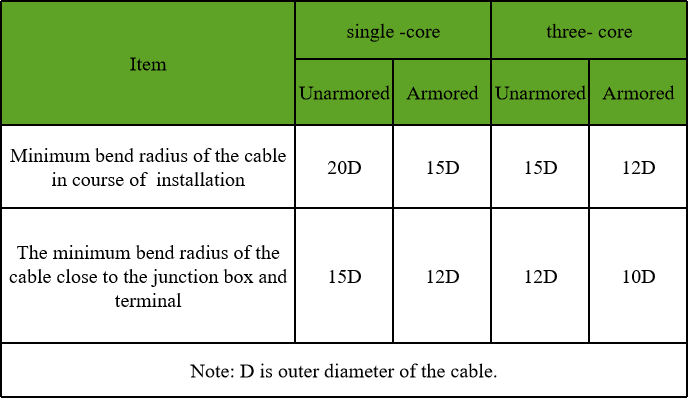
The manufacturer can also confirm the sealing arrangement and the surface condition expected at a termination, which is where many of the small initiating defects begin.
Supplying that data with the cable, rather than on request months later, is one of the cheaper contributions to a site's safety case.
Records Worth Keeping
Five items let a future team trust the installation without repeating the work.
- The assessment revision, its date and the configuration it covers.
- Device settings as commissioned, with the reference of the study they match.
- Termination torque values, recorded by circuit rather than by project.
- Cable data used in the study, including impedance and route length.
- Any change to the network that could alter fault level or clearing time.
Kept together, they make the next assessment an update rather than a fresh exercise.
RFQ Inputs for an Assessment
These points let the cable data reach the arc flash study in the form it can use, without a second round of questions.
- the route length, conductor size and construction of each feeder
- the impedance and temperature data needed for the study
- the insulation type and the terminations being fitted
- the sealing arrangement expected at each termination
- the switchgear or panel where the cable terminates
- the test and torque records the site will hold
- the configuration the assessment is being carried out for
- the revision or date at which a review will be triggered
Technical references such as IEC 60502, IEC 60228 and IEC 60332 can align cable construction and test terminology. The approved project specification, applicable local rules and qualified design authority still govern the final system decision.
JINCHUAN Cable Support for cable terminations and switchgear interfaces
JINCHUAN Cable supplies the conductor, impedance and insulation data an arc flash assessment needs, and can confirm the temperature limits of the construction being ordered.
Review the cable range and the manufacturing profile, then send the feeder data so the assessment uses the cable actually installed.
Attach the cable data and the commissioned settings to the assessment, because a study that assumes either one is a study with an expiry date nobody recorded.
FAQ
What is an arc flash?
It is energy released when current flows through air between conductors, producing heat, light and pressure at the point where the arc occurs.
What decides how severe it is?
The current available at that point and the time the protection takes to clear it, together with the distance between the person and the arc.
Does the cable affect it?
Indirectly. Cable impedance reduces fault current at the far end of a feeder, and the cable's data is one of the inputs to the calculation.
What is incident energy?
It is the energy that would reach a surface at a stated working distance, and the distance must always be quoted alongside the figure.
Why is an assessment only valid for a configuration?
Because fault level and clearing time both change when the network changes, so a study describes the network as it was on the day it was run.
Is a lower fault level always safer?
Not necessarily. A reduced fault current can be harder for protection to detect, which can lengthen the clearing time and change the result.
What triggers a review?
Additional transformers or generators, changed protection settings, reconfiguration of the network, or a significant change in feeder lengths.
What maintenance keeps the risk as assessed?
Restoring covers and barriers, keeping terminations correctly torqued and sealed, and confirming that device settings still match the study.
Who carries out the study?
A specialist using the network model and the protection settings. Cable suppliers provide the data that feeds the model.
How can JINCHUAN Cable support the process?
JINCHUAN Cable supplies construction, conductor and impedance data for the assessment and can confirm the sealing and temperature details of the cable being installed.