
Sooner or later a route runs out of room. Under a road, inside a plant, or on the way into a substation, there is no space for another trench, so the cables go into ducts and the ducts go into one group.
That group is a duct bank, and treating it as a piece of civil work rather than as part of the electrical design is where most of the trouble starts.
Spacing, depth, drainage and how many spare ways to build are all electrical decisions wearing civil clothes.
What the Group Changes
A single buried cable sheds heat into the surrounding soil. Put eight cables into one encased group and each of them now loses heat into its neighbours as well as into the ground.
The consequence is a temperature rise for the same current, which means either a smaller usable rating or a larger conductor. Neither is a detail that can be settled after the cable has been ordered.
The group also changes access. A single cable in a trench can be exposed with a machine. A cable inside a full duct bank cannot be reached at all without opening the bank.
A duct bank changes the thermal environment of every cable inside it, so the grouping has to be checked rather than assumed.
What the Design Has to Fix
Four decisions are effectively permanent once the bank is built.
| Decision | Why it matters | When it is locked in |
|---|---|---|
| Number of ways | Future capacity | At construction |
| Spacing between ducts | Mutual heating | At construction |
| Depth of cover | Soil temperature and load | At construction |
| Drainage and access | Water and maintenance | At construction |
Every row on that table is settled in the ground, which is the argument for spending time on it early.
Cable duct bank design starts with the number of ways, and it finishes with whether a cable can still be pulled out of one ten years later.
Before the Cable Is Selected
Four inputs belong beside the cable datasheet.
How many circuits run at once
A group designed on diversity behaves differently when everything runs together, and the difference appears as temperature.
What the soil is like
Soil properties, moisture and the backfill all change how quickly heat leaves the group.
How deep the group sits
Deeper cover means warmer surroundings, and a road surface above it adds further load.
Whether future ways will be loaded
Spare ways reserved for later circuits still belong in the thermal picture, because they will carry cable eventually.
Buried cable grouping raises the temperature of each circuit, which is why the derating factor belongs in the cable selection rather than in a later review.
Pulling, Not Just Laying
A duct route turns installation into a pulling operation, and the limits are the tension at the winch and the pressure where the cable bears on the duct wall through a bend.
Bends are where both limits bite. A route with three gentle bends is not the same proposition as one with the same total angle concentrated into a single sweep.
Planning the pull, the lubrication and the direction of travel is part of the design. Leaving it to the installation crew is how a cable arrives at the far end with a stretched screen or a scored oversheath.
Duct thermal derating depends on how the ducts are spaced, how deep they sit and what surrounds them, so the construction detail is not decoration.
Where a Group Disappoints
The complaints about a duct bank are predictable.
- No spare ways, so a new circuit means a new trench.
- Water standing in the ducts, with no drainage and no seals at the ends.
- A spare way used for a cable that was never in the thermal calculation.
- Cables pulled through bends that were never assessed for pulling tension.
- No record of which duct carries which circuit, so every later excavation starts with a search.
Each of those is cheap at construction and expensive forever afterwards.
Duct bank spacing between ways is one of the cheapest things to get right at construction and one of the most expensive to change afterwards.
Case: The Bank That Was Full Before It Was Finished
Situation: A plant built a duct bank into a new process area with exactly the number of ways needed for the first phase, on the assumption that later phases would use a different route.
Finding: The later phases arrived with no other route available. Two spare ways had been used during construction for temporary supplies, and the remaining circuits had to be added to ways that were already loaded, pushing the group past the temperature the cables were selected for.
Decision: The bank was extended with additional ways along one side, the temporary supplies were re-routed, and the loading of the group was recalculated from the arrangement that existed rather than the one that had been drawn.
Result: The extension cost more than spare ways would have, and the as-built record now shows which duct carries which circuit and what each one is loaded to.
Habits That Survive Contact With Site
Four habits keep a group usable.
Build spare ways
Spare duct is the cheapest capacity a project will ever buy, and it is the only capacity that can be added without excavation.
Keep a way for pulling out
A cable that has to be replaced needs a way out, so leaving one duct empty has a purpose beyond optimism.
Drain and seal
Water in ducts is normal. Standing water with no drainage is not, and sealing the ends protects what is inside from the surrounding ground.
Record what is where
Duct number, circuit, cable size and loading, kept with the drawings and updated whenever anything changes.
What to Record for Each Way
Four columns on one drawing do most of the work.
| Record | Why it matters | Owner |
|---|---|---|
| Duct number and position | Finding it during later work | Construction |
| Circuit and cable size | Thermal and fault assessment | Design |
| Loading at the time | Comparison with the design | Operations |
| Spare or in use | Planning the next circuit | Asset owner |
Four columns save a week of excavation and guesswork later.
What to Ask Before Ordering
Four questions connect the group to the cable.
- How many ways are loaded at the same time, and what derating applies?
- What depth of cover and what soil surround the group?
- What pulling tension and sidewall pressure does the route allow?
- What sheath and oversheath do the ducts, and the water inside them, call for?
The answers change the construction, and the construction has to be ordered once.
Designing the Group and the Cable Together
A duct bank is usually drawn by one team and the cable ordered by another, and the two only meet if somebody puts the thermal and pulling questions into the specification.
Spacing, depth and the number of loaded ways all feed into the conductor size, while the bends and the duct material feed into the sheath and the pulling plan.
Bringing those questions together before the order is what stops a bank from being built exactly as drawn and then found unsuitable for the cable that has to go into it.
RFQ Inputs for Ducted Routes
These details let the cable and the group be designed against each other.
- the number of ways in the group and how many carry cable
- the spacing between ducts and the depth of cover
- the soil and backfill around the group
- the number of circuits loaded at the same time
- the duct material and internal diameter
- the bends and the longest pull on the route
- the pulling tension and sidewall pressure limits
- the drainage and sealing arrangement at manholes and ends
Technical references such as IEC 60502, IEC 60228 and IEC 60332 can align cable construction and test terminology. The approved project specification, applicable local rules and qualified design authority still govern the final system decision.
JINCHUAN Cable Support for grouped duct routes for plant and road crossings
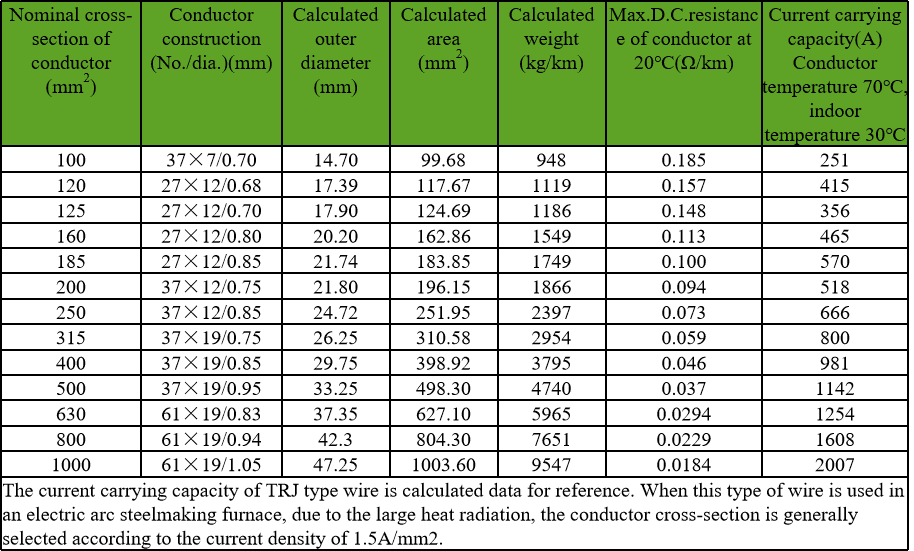
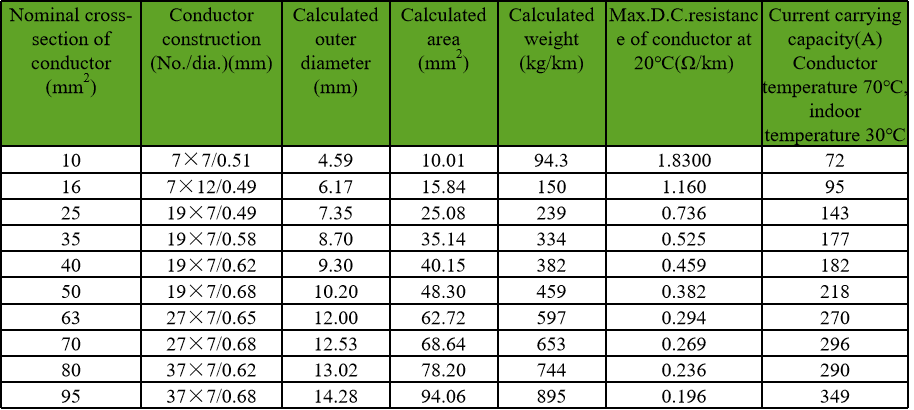
JINCHUAN Cable supplies the construction, diameter and mass figures a duct bank assessment needs, and can confirm how the sheath and oversheath behave in a wet duct.
Review the cable range and the manufacturing profile, then send the route and the grouping so the cable can be checked against both.
Draw the duct bank and size the cable in the same conversation, because a duct bank is far easier to extend on paper than in the ground.
FAQ
What is a duct bank?
It is a group of ducts, usually encased, that carries several cables along one route where separate trenches are not practical.
Why does grouping affect the cable rating?
Cables in a group heat each other as well as themselves, so the temperature rise for the same current is higher than for a single buried cable.
How many spare ducts should be built?
Enough for the circuits expected over the life of the installation. Spare duct is the cheapest capacity a project can buy.
Does the duct material matter?
It does. The material affects heat transfer, mechanical protection and how the cable behaves when it is pulled through.
Is water in a duct a problem?
Water is normal in buried ducts. Standing water with no drainage or sealing at the ends is the part that causes trouble.
What limits the pulling length?
The tension at the winch and the pressure where the cable bears on the duct wall, both of which rise sharply through bends.
Should spare ducts be in the thermal assessment?
Yes. A spare way that is later loaded is part of the group, so the arrangement should be assessed with it included.
What happens if the group has no spare way?
A new circuit needs a new route, which usually means a new trench, a new crossing and a new set of approvals.
What should be recorded?
Duct number, circuit, cable size, loading, and whether the way is spare or in use, kept with the route drawings.
How can JINCHUAN Cable support a ducted route?
JINCHUAN Cable can supply the construction, diameter and mass data the assessment needs and confirm how the sheath behaves in a wet duct.