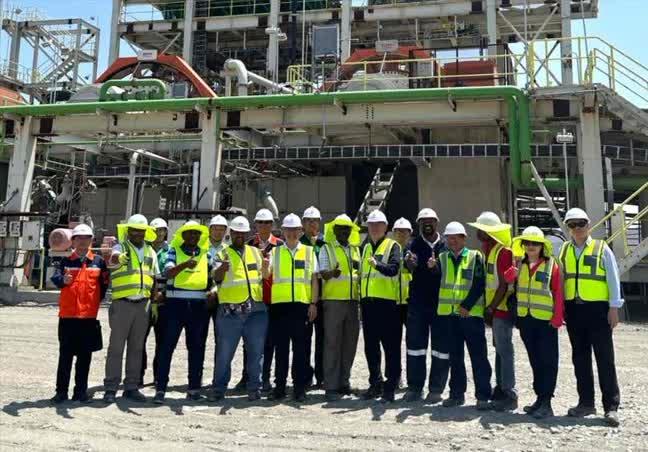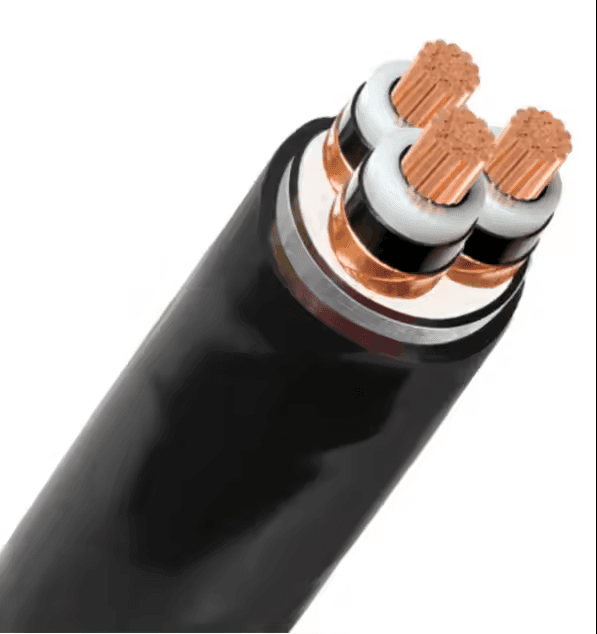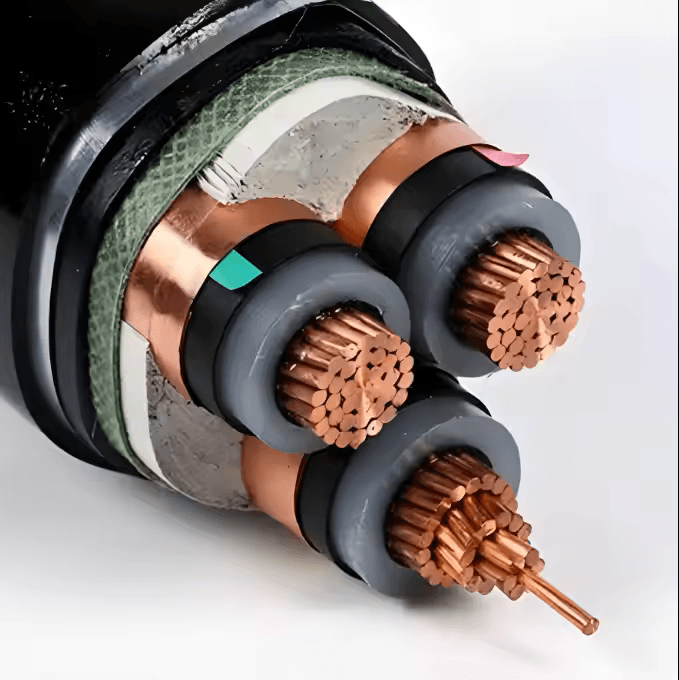

In a classified plant area the cable is part of the protection concept rather than a simple connection. Hazardous area power cable selection follows the classification, the route and the equipment protection concept, and it has to survive the surroundings at the same time.
A construction chosen for the wrong zone, or a cable entry that does not match the cable, leaves a weakness in the assembly that later inspection cannot remove.
This guide follows a selection from the area classification drawing to the installed circuit, and names the decisions that should be recorded before the order is placed.
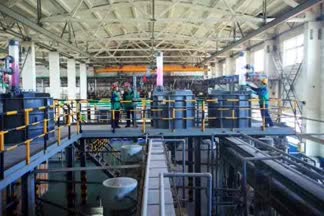
The Area Classification Comes First
Selection begins with the classification drawing, not with a comparison of cable types. The zone, the gas or dust group, the ignition temperature and the equipment protection concept define what the circuit has to tolerate.
The classification also sets the boundary. A route that crosses from a classified area into a safe area may need a transition that is designed and documented, including any sealing, barrier or marking at that point.
Only when those inputs are fixed does a meaningful comparison begin. Working in the opposite order produces a route that has to be re-cut or a cable that has to be re-ordered.
Hazardous area power cable selection starts from the classification drawing, because the zone and extent define what the route must tolerate.
Translate the Classification Into Cable Requirements
Turn the drawing into requirements before the enquiry is issued.
| Drawing input | Question for the cable | Where it is recorded |
|---|---|---|
| Zone and extent | Which parts of the route are classified? | Classification drawing |
| Gas or dust group | Which materials and barriers apply? | Area data sheet |
| Temperature class | What surface and conductor limits apply? | Design basis |
| Protection concept | Which cable and entry construction is allowed? | Equipment schedule |
| Route transition | Where does the classified route end? | Route and boundary drawing |
If a requirement cannot be traced back to one of these inputs, it is a preference rather than a design decision.
A hazardous area power cable enquiry should state the earth and screen arrangement, since the entry accessory has to reproduce it.
Confirm the Route Before Choosing the Construction
A cable is only as suitable as the route it actually follows.
Walk the boundary
Verify where the classified area starts and ends along the installed route, not only on the drawing.
Note the environment
Record chemical exposure, moisture, vibration, heat sources and mechanical risk along the way.
Identify the entries
List every enclosure, gland plate and barrier the cable passes through on its route.
Record the transition
State where the classified portion ends and which device or barrier marks that point.
Where a route crosses a boundary, the hazardous area power cable installation needs sealing and marking that the design records.
The Right Cable in the Wrong Gland
Situation: A project selects an armoured, screened cable for a pump area and installs it with a general-purpose gland that does not match the armour and screen arrangement of the cable.
Finding: The cable meets the specification, but the entry does not reproduce the earth path or the barrier the design assumed. The assembly is therefore weaker than either component on its own.
Decision: The installer stops further entries, obtains a matched gland and entry arrangement, and reworks the completed positions under a revised method.
Result: The plant gains a documented cable and entry assembly, and the purchaser changes the enquiry so the entry component is ordered with the cable rather than after it.
Cable for zone 1 and zone 2 areas should be compared on the conditions of the specific route rather than on general construction labels.
Selection Errors That Appear Only at Handover
These are found late because the cable itself looks correct.
- A construction chosen for a general route and used inside a classified boundary.
- Armour or screen terminated in a way that breaks the intended earth path.
- A gland that does not match the armour, bedding or screen of the cable.
- A route change that moved part of the run into a classified area.
- Sealing or marking at the boundary left undefined.
- Documentation listing the cable but not the entry arrangement.
Each of these survives a visual inspection, which is why the record matters as much as the installation.
Include hazardous area power cable data, entry components and documentation expectations in the RFQ so the assembly is supplied together.
Compare Candidate Constructions for a Classified Route
Compare on the conditions the route imposes rather than on product labels.
| Consideration | What to check | Consequence if missed |
|---|---|---|
| Armour | Mechanical protection and earth path | Damage and an uncertain fault path |
| Screen | Field and interference control | Interference and barrier questions |
| Sheath material | Chemical and moisture exposure | Ageing and moisture ingress |
| Core arrangement | Voltage, current and harmonic duty | Thermal and magnetic effects |
| Entry component | Match with armour and screen | Broken protection concept |
| Marking | Circuit and boundary identity | Difficult maintenance and audit |
The comparison only becomes useful once the route conditions are written down in the same table.
Armour, Screen and Earthing Behave Differently
Armour and screen are often discussed as one thing because both are metallic layers, but they perform different duties. The armour takes mechanical load and may form part of the earth path, while the screen shapes the electric field and carries capacitive and fault currents.
Because the duties differ, the terminating arrangements differ. Earthing at each end should follow the design, and the construction has to make that arrangement possible with the accessories actually available.
Where the design relies on a specific arrangement, write it into the enquiry. A general statement that the cable must be screened leaves the installer to interpret the intent on site.
Prove the Barrier and the Entry
The protection concept is complete only when the entry is complete.
Match the components
Confirm the gland, sealing accessory and cable arrangement were approved as one assembly.
Control the installation
Follow the preparation, tightening and torque instructions for the entry rather than site practice.
Record the result
Keep the installation record, including the components used and the acceptance of the inspector.
Check the boundary
Confirm that sealing, marking and any barrier at the transition are installed and recorded.
Documentation the Inspector Will Ask For
An inspector is usually checking that the installed assembly matches the design. That means the classification drawing, the cable schedule, the accessory instructions, the installation records and the inspection release.
Where any of those is missing, the circuit may still be correct but cannot be shown to be correct. Inside a classified area, that difference matters at every later modification.
Keep the documents with the circuit rather than in a general project file, so the next maintenance team finds them without reconstructing the decision.
What to Send With the RFQ
Send the inputs that determine the construction.
- area classification, zone extent and the equipment protection concept
- route description with environment, exposure and mechanical risk
- voltage, current, frequency and harmonic duty of the circuit
- required armour, screen and sheath behaviour, with the earth arrangement
- accessory expectations for glands, sealing and cable entries
- documentation and marking required for the installed assembly
With those inputs fixed, hazardous area power cable selection becomes a documented decision rather than a preference between similar products.
RFQ Inputs for Classified Route Cable Selection
Give the classification and route inputs with the enquiry so the offer covers the cable and the entry arrangement together.
- area classification, zone extent, gas or dust group and temperature class
- equipment protection concept and any project specification reference
- route description, environment, chemical exposure and mechanical risk
- voltage, current, frequency and harmonic duty
- armour, screen, sheath and earth arrangement required
- gland, sealing and entry components expected as a matched assembly
- marking, record and documentation requirements
- inspection and test scope before shipment
Technical references such as IEC 60502, IEC 60228 and IEC 60332 can align cable construction and test terminology. The approved project specification, applicable local rules and qualified design authority still govern the final system decision.
JINCHUAN Cable Support for classified plant areas and industrial process routes
JINCHUAN Cable can confirm construction options, armour and screen arrangements and sheath materials so the selection matches the documented route conditions.
Review the industrial cable options and the production profile, then send the classification drawing with the route description.
Fix the classification, the route and the entry arrangement first, then select the hazardous area power cable construction against those inputs.
FAQ
What determines hazardous area power cable selection?
The area classification, the route conditions, the equipment protection concept and the earth and screen arrangement the design requires.
Can a standard armoured cable be used in a classified area?
It may suit where the design and the applicable rules allow it, but the route, environment and entry arrangement still have to be checked.
Why does the cable entry matter so much?
Because the entry reproduces the earth path and keeps the protection concept complete, so a mismatched gland weakens both components.
What is the difference between armour and screen?
Armour provides mechanical protection and may form part of the earth path, while the screen shapes the electric field and carries certain currents.
How is the boundary between areas handled?
The transition is designed and documented, with sealing, a barrier and marking as the design requires.
What information is needed with the enquiry?
Classification, route environment, electrical duty, required construction, and the accessory and documentation expectations.
Do cables for zone 1 and zone 2 need different constructions?
They may, depending on the classification details, the protection concept and the project specification; the zone alone does not decide it.
Should the gland be ordered with the cable?
Ordering the cable and the matched entry components together reduces the risk of an incompatible assembly on site.
What documentation should be retained?
The classification drawing, cable schedule, accessory instructions, installation records and inspection release.
How can JINCHUAN Cable support a classified route?
JINCHUAN Cable can confirm construction, armour, screen and sheath options so the cable matches the documented route conditions.