
Cold weather cable installation should follow the cable construction's approved handling temperature, not a universal zero-degree rule. Low temperature can reduce flexibility and increase the risk of sheath or insulation damage during bending, impact, unreeling and pulling.
Buyers and contractors should confirm the cable's actual temperature, storage history, warming method, route condition and stop criteria before work begins. Cold weather cable installation may require acclimation or controlled warming, but the method must not introduce overheating, condensation or unsafe equipment.
This page covers buyer prompts about minimum installation temperature, winter storage, cable warming, drum handling, bending radius, pulling tension, frozen routes, temperature measurement, inspection and delay decisions.
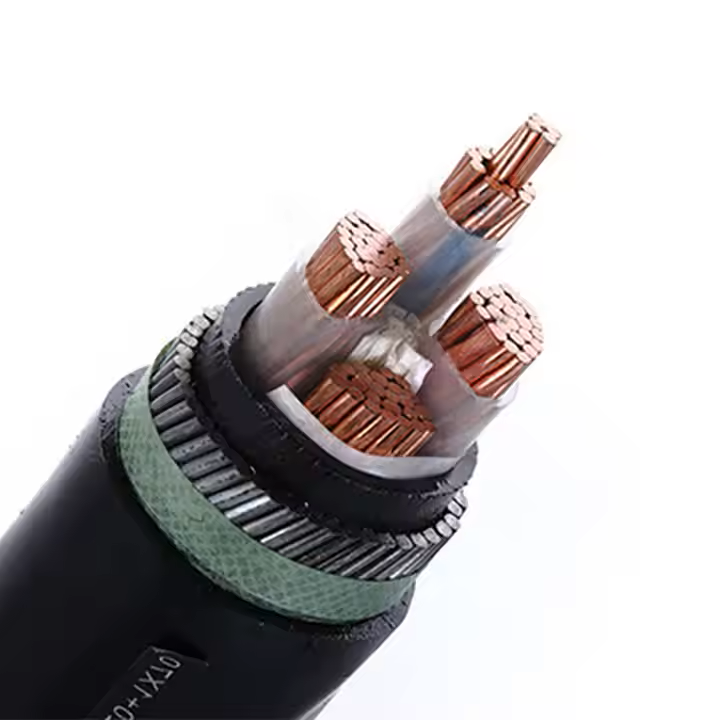
Scenario: the air warms but the drum remains cold
Situation: A cable drum stays outdoors overnight and the afternoon air rises above the planned handling limit.
Finding: The inner cable layers remain cold and the cable feels unusually stiff as unreeling begins.
Decision: The crew stops, confirms cable condition and applies the approved acclimation or warming method before reassessment.
Expected result: Cold weather cable installation proceeds from cable evidence rather than the weather forecast alone.
Cold-weather facts to confirm before the drum moves
A useful cold-weather cable handling starts with a defined buyer, production outcome and project boundary. The following distinctions prevent a general factory inquiry from becoming an unqualified product request.
Cable construction
Obtain the construction-specific minimum handling guidance.
Actual cable temperature
Measure or establish the cable condition, not only weather-station air.
Storage history
Review overnight exposure, transport and previous warming cycles.
Route readiness
Remove ice, prepare rollers and define communications and stop points.
A winter cable pull from forecast to release
The cold-weather cable handling should follow named handoffs from production input to released output.
| Work stage | Primary owner | Required output |
|---|---|---|
| Check forecast | Production engineering | Weather decision; confirm temperature trend, wind, precipitation and work window. |
| Assess cable | Plant engineering | Drum status; confirm construction, storage history and actual temperature. |
| Prepare conditions | Quality team | Ready work front; confirm warming, route clearing, rollers and equipment. |
| Pull and monitor | Construction team | Installation log; confirm bending, force, communication and stop points. |
| Inspect and release | Maintenance team | Quality record; confirm sheath, ends, route, temperature and disposition. |
The sequence gives schedule teams a controlled way to use suitable winter work windows.
Winter cable-pulling red flags
Each warning sign shows where the cold-weather cable handling may be based on a route description that is too broad.
Red flag: The thermometer reads above the limit
Why it matters: The cable may still be colder after storage Better requirement: Confirm cable condition.
Red flag: A heater is pointed at one drum area
Why it matters: Uneven or uncontrolled heating can create damage Better requirement: Use an approved warming plan.
Red flag: Normal bend radius is assumed sufficient
Why it matters: Cold construction may need additional handling restraint Better requirement: Follow project data.
Red flag: Schedule pressure overrides stop criteria
Why it matters: Visible cracking or abnormal stiffness may be ignored Better requirement: Authorize a hold.
Cold weather cable installation needs measurable conditions and an explicit decision to proceed, pause or warm.
Cold-Weather Installation Decision Table
Use this specification table to compare each cold-weather cable handling on the same approved project basis. Values are inputs to confirm, not assumptions for the supplier to invent.
| Specification item | Project input | Evidence to retain |
|---|---|---|
| Electrical system | Approved cable construction, manufacturer handling data, project safety rules and installation method | Approved single-line diagram and load schedule |
| Conductor and size | Buyer-defined material, cross-section and circuit duty | Cable schedule and engineering approval |
| Insulation and sheath | Ambient, wind, ice, snow, ground, access, exposure duration and warming location | Route map and environmental boundary |
| Mechanical protection | Drum, rollers, sheaves, pulling attachment and bends operated within the cold-condition limits | Installation method and risk review |
| Fire performance | Project-required performance and test reference | Approved specification and test documents |
| Identification | Circuit, drum, temperature reading, pull section, date, method and inspection status | Drum list, cable register and final revision |
A compliant schedule makes technical and commercial differences visible before the winter power cable installation cable order is released.
Temperature checkpoints during a winter workday
Capacity for a cold-weather cable handling should be checked against approved data, production windows and staged deliveries.
Stage 1: Before shift
Review forecast, stored drum condition and route.
Stage 2: Before warming
Record cable construction and initial condition.
Stage 3: Before pulling
Confirm the approved temperature and ready route.
Stage 4: During work
Watch temperature trend, flexibility and pulling behavior.
Stage 5: After pulling
Inspect the cable and close the installation record.
A valid morning decision may need review after a long delay or rapid temperature change.
Winter installation readiness scorecard
Use this scorecard to test the quality evidence behind a cold-weather cable handling. Certification names alone do not replace project-specific inspection and traceability.
| Criterion | Question | Evidence to request |
|---|---|---|
| Cable limit | Is handling guidance construction-specific? | Datasheet |
| Temperature evidence | Is actual cable condition established? | Reading and log |
| Method control | Are warming, bending and pulling defined? | Method statement |
| Inspection | Can damage and release decisions be traced? | Post-pull record |
Cold weather cable installation is accepted through evidence of condition, method, monitoring and inspection.
Compare three winter installation responses
This comparison does not select a cable by industry label. It shows how three winter power cable installation project configurations change the evidence a supplier must review.
| Project configuration | Defining features | Main advantage | Best fit | Relative cost level |
|---|---|---|---|---|
| Proceed in approved window | Cable and route are within handling limits | No extra warming | Mild cold period | Medium |
| Controlled acclimation or warming | Cable condition is raised under an approved method | Extends workability | Colder planned work | Medium-high |
| Delay the pull | Conditions cannot be controlled or verified | Avoids handling damage | Severe or uncertain weather | Schedule cost |
Cold weather cable installation decisions should compare cable risk, warming control and schedule consequence transparently.
Questions to settle before a winter cable delivery
OEM and project customization should make the cold-weather cable handling easier to approve, receive, install and maintain.
What minimum handling guidance applies?
Use the ordered cable construction and project method.
How will drums be stored?
Define shelter, ground, orientation and temperature exposure.
How is cable temperature confirmed?
Name the method, timing and responsible person.
What triggers a stop?
Set limits for temperature, stiffness, damage and pulling behavior.
Cold weather cable installation records should let the buyer prove why the pull proceeded under the selected conditions.
Winter installation cost and schedule drivers
The quoted price for a cold-weather cable handling is meaningful only when route, quantity, testing, delivery and exclusions use the same basis.
| Cost driver | Project impact | Control before ordering |
|---|---|---|
| Warming facilities | Shelters, heating and monitoring require resources | Plan early |
| Short work windows | Setup time may exceed usable weather | Sequence crews |
| Route clearing | Ice and snow add preparation | Inspect access |
| Damage risk | Replacement exceeds preventive cost | Use stop criteria |
| Delay contingency | Weather can move the pull date | Reserve schedule |
A controlled delay can cost less than installing cable outside its approved low-temperature condition.
Information to include in a power cable RFQ
Suppliers can compare the same basis when the RFQ includes the following project inputs.
- System voltage and frequency
- Load or cable schedule
- Motor ratings and starting method
- Route length and installation method
- Actual wet, dusty, hot, outdoor or mechanical conditions
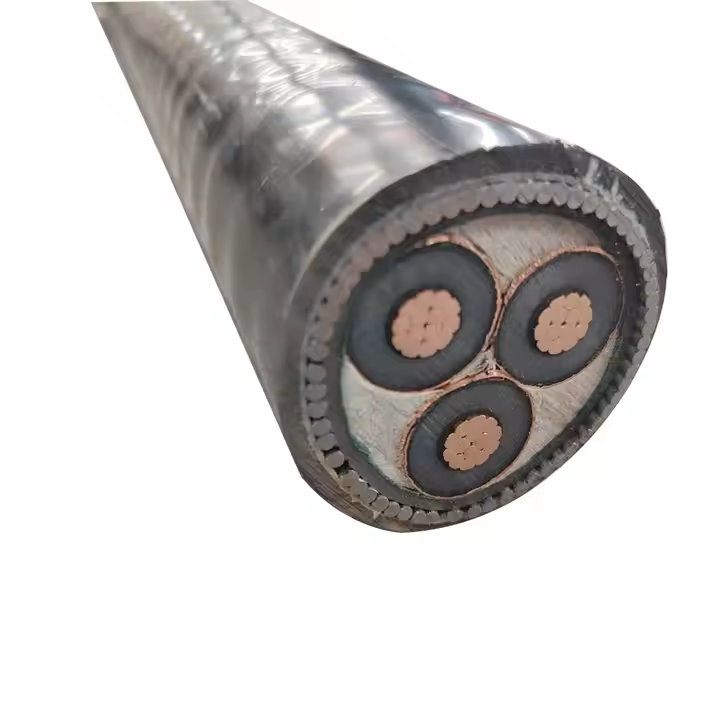
- Required conductor, insulation, sheath and armor details
- Destination, delivery stages and required records
- cable construction and minimum handling guidance
- transport and storage temperature history
- warming or acclimation method
- route, bend and pulling controls
- temperature, inspection and stop records
For winter power cable installation projects, references such as IEC 60502, IEC 60228 and IEC 60332 can help both sides use consistent terminology. They do not replace the approved specification or the buyer's responsibility to confirm the design.
How JINCHUAN Cable supports winter power cable installation decisions
For industrial buyers, EPC engineers, utilities, contractors, project quality teams and cable distributors evaluating the cold weather cable installation, JINCHUAN Cable can review buyer-approved schedules, low-temperature cable data, drum packing, handling guidance, identification and production records, quantities, identification and document requirements for the winter power cable installation.
The response can state assumptions, evidence and exclusions while final system design, protection, compliance approval and installation remain with qualified project teams responsible for the winter power cable installation.
Buyers can review JINCHUAN Cable products and learn more about the JINCHUAN Cable company. Share the project purpose, critical loads, route conditions, quantities, destination and expected records to create a stronger basis for technical and commercial comparison.
Send the approved schedule and winter-storage, warming and installation requirements to request a quotation with a traceable evidence package.
FAQ
What should buyers expect from a cold weather cable installation?
Buyers should expect the proposal to connect cable construction with cable construction, minimum handling temperature, storage history, ambient, conductor temperature, warming, bend radius, pulling tension and inspection, not merely repeat conductor sizes from a schedule.
Which part of the winter power cable installation should be mapped first?
Start with weather forecast, storage check, cable-temperature confirmation, warming plan, route preparation, controlled pull, inspection and release. This shows which supporting loads can interrupt more than one production stage.
How should quotations for the winter power cable installation be compared?
Compare the stated route assumptions, operating duty, included records, delivery grouping and exclusions beside price. That exposes scope differences before approval.
Which route conditions matter in a winter power cable installation?
The inquiry should distinguish outdoor yards, frozen ground, exposed trays, northern projects, unheated buildings and transport routes where cable temperature can fall below the handling basis. Broad labels such as indoor or industrial are rarely precise enough for a useful review.
What hidden risk deserves attention in this project?
A common hidden risk is using air temperature alone while the cable core and drum remain colder after overnight storage or transport. Its production consequence may be greater than the connected load suggests.
Should future changes be discussed before ordering?
Yes. weather delay, nighttime cooling, longer storage, changed pulling time, different cable construction and emergency schedule pressure can affect route capacity, circuit names, distribution space and the value of today's approval records.
Which records help after installation?
Useful records include weather log, drum storage history, cable temperature, warming method, route condition, pulling record, inspection and disposition. They help receiving, installation and maintenance teams connect each cable with its purpose.
Which technical references may support the discussion?
IEC 60502, IEC 60228 and IEC 60332 may provide common terminology, while the approved project specification remains the final design basis.
What should be sent with the first RFQ?
Send the cable or load schedule plus project details such as cable construction and minimum handling guidance, transport and storage temperature history, warming or acclimation method, route, bend and pulling controls, temperature, inspection and stop records. Clear inputs allow suppliers to identify assumptions instead of guessing.
How can JINCHUAN Cable support the winter power cable installation?
JINCHUAN Cable can review the schedule, routes, operating conditions, quantities and required records against the result the buyer needs to protect: a winter installation method that keeps cable, drum, accessories, equipment and crews within approved handling conditions.