
In wet ground, an XLPE cable can look perfectly healthy for years and still be ageing from the inside.
Water treeing is the name for that slow process. Moisture, ionic contamination and electrical stress act together inside the insulation until small tree-shaped structures develop, and most of the time nothing is visible from the outside.
Slow and invisible is an awkward combination, which is why the topic is worth settling at the design stage rather than after the first fault.
What Grows Inside the Insulation
A water tree is a branching structure that develops inside polymer insulation in the presence of water and dissolved contamination, driven by electrical stress. Under a microscope it reads as a fine, filled channel rather than a hollow void.
Bow-tie trees begin at a small void or contaminant inside the wall of insulation and spread outward in both directions from that point. Vented trees begin at a surface and grow inward from there.
Neither behaves like a sharp electrical tree. Water treeing progresses slowly over months and years, and the insulation carries its normal voltage throughout most of that period.
The end state is a local fall in dielectric strength. Once that fall is deep enough, an electrical tree can start at the weakened point, and from there the failure is quick.
Water treeing needs three things at once, moisture, contamination and electrical stress, and removing any one of them slows the process.
Conditions That Feed the Growth
Four conditions have to line up before the process gets going.
| Condition | Why it matters | What changes it |
|---|---|---|
| Moisture against the insulation | Provides the medium | Sheath type and water blocking |
| Ionic contamination | Dissolved salts drive the process | Compound cleanliness and soil chemistry |
| Electrical stress | Supplies the driving force | Field grading and operating voltage |
| Time at temperature | Accelerates the reaction | Load profile and conductor size |
Take any single row away and water treeing becomes far less likely.
Water trees are not the same as electrical trees, and the difference matters because the two behave very differently in service.
Case: A Feeder in Waterlogged Ground
Situation: A site laid a direct buried MV feeder through ground that stayed wet all year, with the water table sitting close to the trench invert.
Finding: The cable had a layered construction with water blocking tape and a polymeric oversheath. Five years in, two joint bays held moisture in the tape and one phase showed rising discharge, while the straight runs looked normal.
Decision: Replacement sections were ordered with a metallic moisture barrier, the bays were rebuilt with a sealed arrangement above the water table, and the route was re-drained where the level could be lowered.
Result: The rebuilt bays have stayed dry, and the water table question moved from the maintenance file onto the enquiry form for the next project on that site.
Vented trees start at the outer insulation surface and grow inward, which is why a metallic barrier changes the picture in wet ground.
Where Moisture Enters
There are only a few ways water reaches the insulation, and each one has a countermeasure.
- Along the conductor strands, where a stranded conductor can move water a long way inside the cable.
- Through a damaged or porous outer covering that lets water reach the insulation surface.
- At joints and terminations, where the insulation has been cut back and rebuilt on site.
- Through an open drum end, especially where a reel has stood outdoors across a wet season.
Every one of those paths is a design decision or a site practice rather than an accident.
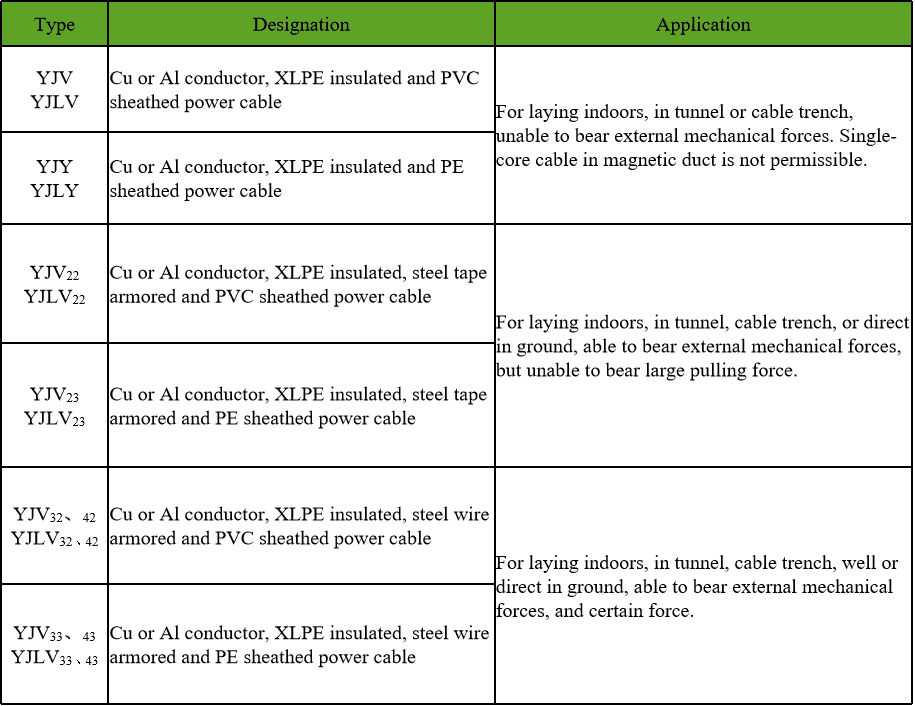
XLPE insulation ageing in wet ground is a question about the sheath and the water blocking as much as about the compound.
Choices That Slow It Down
Five selections and practices change the outcome in wet ground.
Add a metallic moisture barrier
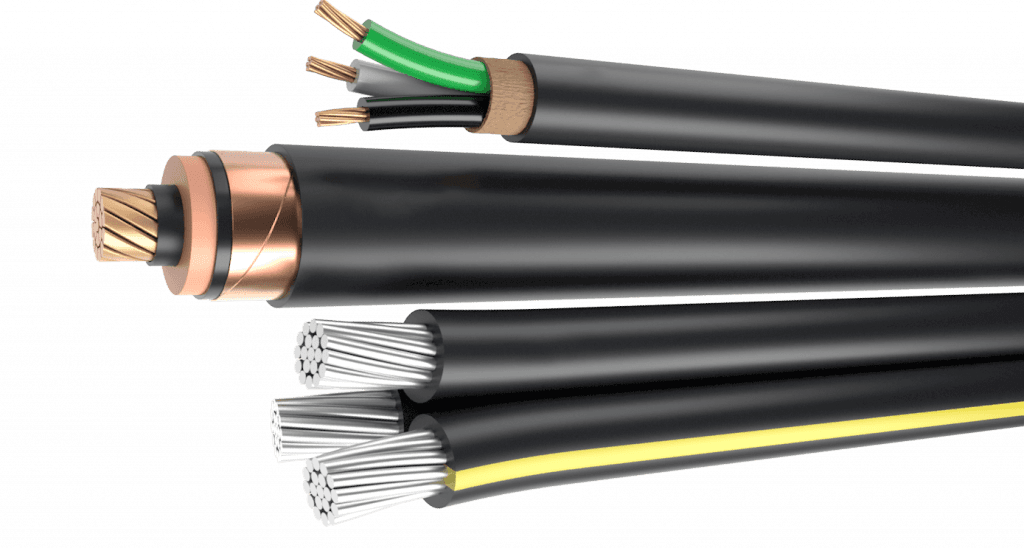
A bonded metallic layer or a metal sheath keeps liquid water away from the insulation surface and turns a vented tree question into a manufacturing question.
Block the strands
Longitudinal water blocking in the conductor stops water travelling from an entry point to a joint bay far away.
Keep the compound clean
Contamination inside the insulation wall is what starts a bow-tie tree, so handling and cleanliness carry more weight than any product description.
Control the field
Field grading at the screened area and inside the joint reduces the local stress that drives growth.
Keep the route dry where it can be
Drainage, bedding and backfill are civil decisions that change how much water sits against the cable.
Moisture ingress cable paths include the conductor strands, the joint bays and any place where the sheath has been damaged or poorly sealed.
Why It Rarely Shows Up Early
Standard acceptance testing looks for gross defects, not for slow chemical change. Water treeing will pass a commissioning check and can keep passing repeat checks for years.
Discharge measurement is more sensitive than a plain voltage test, and a rising trend is often the first sign that something is changing. A single reading tells far less than a series of them.
That is why the useful instrument here is a record kept over time: the same measurement, the same conditions, set against the previous result.
What Each Check Can and Cannot See
Four checks appear in commissioning programmes, and they see very different things.
| Check | What it can show | What it misses |
|---|---|---|
| Voltage test | Gross breakdown or leakage | Slow chemical change |
| Discharge measurement | Localised activity that is growing | A quiet, early tree |
| Insulation resistance | Continuity and gross condition | Anything localised |
| Dissection | Confirms the mechanism after the event | Prevents nothing on its own |
Only the dissection explains what happened, and the other three decide when to look.
Warnings from the Field
Experience points at a handful of recurring causes.
- A route chosen with no drainage where the water table is known to be high.
- Drum ends left open on site through a wet season.
- Joint bays built below the surrounding ground level, so they collect water.
- An outer covering selected on price without checking how it behaves in the soil chemistry on that route.
None of the four is expensive to avoid, and all four are expensive to discover.
What to Ask Before Ordering
Three questions move the decision earlier, where it is cheap.
What is the water table on this route?
A depth and a seasonal range are far more useful than a description of the ground as wet or dry.
What soil chemistry applies?
Salts and contaminants in the ground feed the process and also affect the outer covering.
Which barrier is being specified?
That answer decides whether water can reach the insulation surface at all, which is the point that matters most.
Designing for the Water Table You Have
It is tempting to treat water treeing as a property of the compound. In practice the sheath, the water blocking, the joint design and the route decide how much water ever reaches the insulation.
That is good news for a buyer, because it means the topic can be handled with drawings and specifications instead of with hope.
Where the ground is wet, the useful conversation is about the barrier and the entry points, and it is much cheaper to have that conversation before the drum is wound.
RFQ Inputs for Wet Routes
These details let the construction be matched to the ground it will sit in.
- the water table depth and its seasonal range
- the soil chemistry, including any known salinity or contamination
- whether the route is direct buried, ducted or routed through joint bays
- the sheath and barrier arrangement expected for the route
- the water blocking specified for the conductor and the cable core
- the joint and termination arrangement, and how the bays will drain
- the expected load profile and the conductor size
- the storage conditions on site and how the drum ends will be protected
Technical references such as IEC 60502, IEC 60228 and IEC 60332 can align cable construction and test terminology. The approved project specification, applicable local rules and qualified design authority still govern the final system decision.
JINCHUAN Cable Support for insulation ageing assessment for cables in wet ground
JINCHUAN Cable builds power cable with sheath, barrier and water blocking options that can be matched to the ground on the route, and supplies the construction detail each option needs.
Review the cable range and the manufacturing profile, then send the route conditions so the barrier arrangement can be specified against them.
Decide how water will be kept away from the insulation before the route is fixed, because afterwards the answer gets expensive.
FAQ
What is water treeing in cable insulation?
It is a slow degradation process in which moisture, ionic contamination and electrical stress combine to grow fine tree-shaped structures inside the insulation.
Is water treeing the same as an electrical tree?
No. Water trees develop slowly over months and years, while electrical trees are hollow, sharp and lead to failure quickly once they begin.
Does a voltage test detect it?
Not on its own. A voltage test looks for breakdown, and early water trees sit far below the level that would cause one.
Which constructions resist it best?
Those that keep liquid water away from the insulation surface, which generally means a metallic barrier combined with water blocking in the conductor and the core.
Can water travel along the conductor?
Yes. In an unblocked stranded conductor, water can move a long way from the entry point, which is one reason longitudinal blocking is specified.
Why do joint bays matter so much?
They are where the insulation is cut back and rebuilt on site, so they are the most likely entry point and the hardest place to keep dry.
Is wet ground always a problem?
Not by itself. Water, contamination and sustained stress have to combine, and design choices can remove the first of the three.
How is it confirmed after a failure?
By dissection of the failed section, which shows the structure and the origin of the damage rather than only the fact of failure.
Does operating temperature affect the process?
Time at temperature accelerates the reaction, which is why load profile and conductor size belong beside the moisture question.
How can JINCHUAN Cable support a wet route?
JINCHUAN Cable can supply the sheath, barrier and water blocking options that suit the route conditions and confirm what the construction includes.