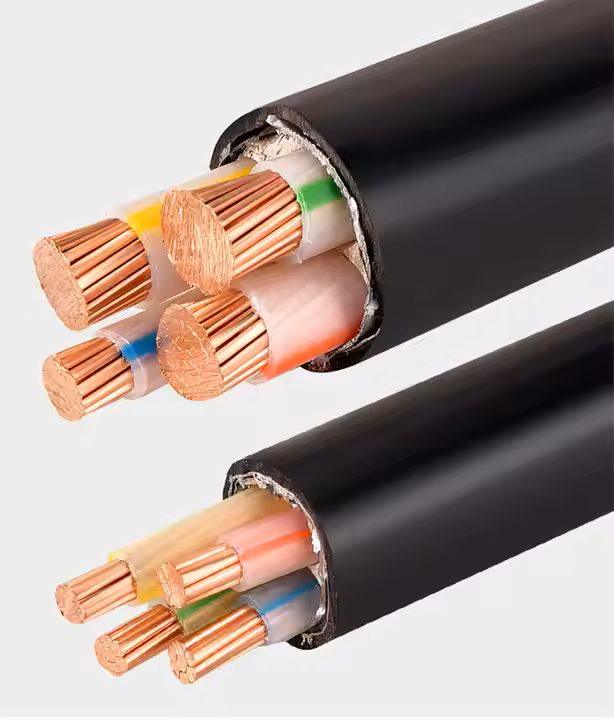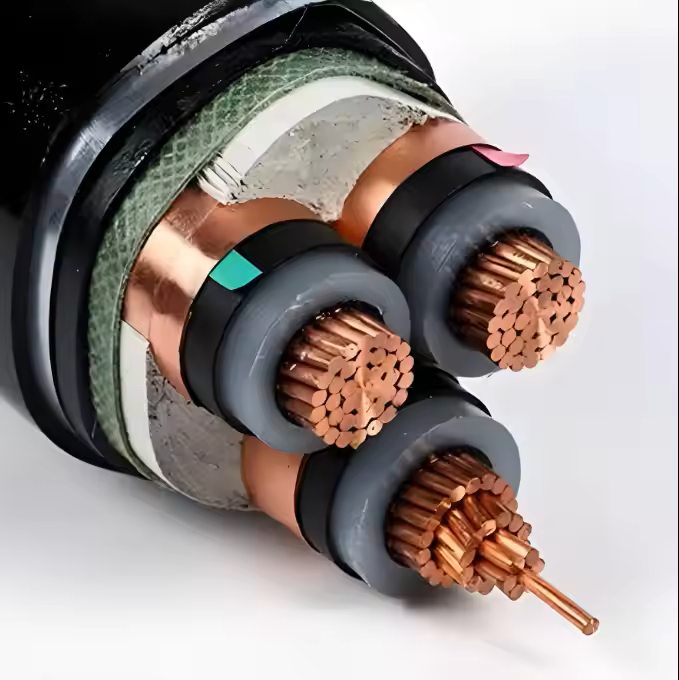

A sample can look exactly right and still tell a buyer very little about the production lot that follows. Power cable sample approval works when the project states why the sample exists, what it proves, what it cannot prove and which controls must be repeated before mass production is released.
A cable pre-production sample may be made for fit, appearance or accessory coordination. An initial production inspection usually carries a broader construction and process check, while cable sample testing may cover only selected properties. These terms should not be used as interchangeable promises.
This guide maps a sample from request to production release, with clear boundaries for changes, evidence, deviations and repeat orders.
Define the Question the Sample Must Answer
A sample is not automatically a small production lot. It may answer whether a gland fits, whether a cable can be bent in a restricted bay, whether a color or mark is readable, or whether a construction meets a defined test. The approval form should name that question before the sample is made.
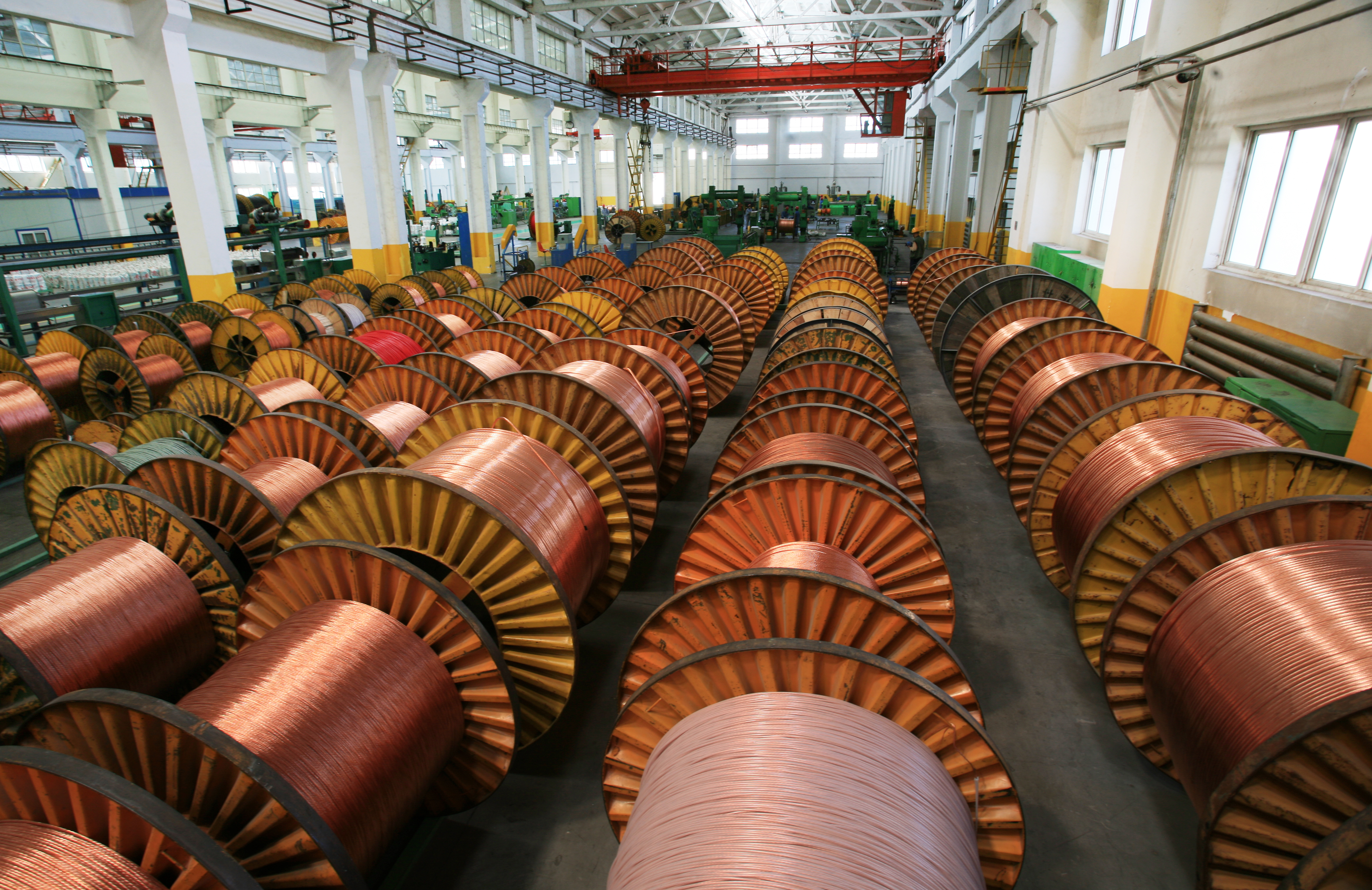
If the sample is intended to represent production, record plant, line, materials, tooling, process settings and traceability. Otherwise the buyer may approve a carefully prepared piece that cannot be linked to the cable eventually shipped.
The sample purpose also determines what happens after approval. A fit sample may be discarded after interface confirmation, while a qualification sample should remain available as controlled evidence.
Power cable sample approval should define the sample purpose, construction baseline, tests, interfaces, limitations and relationship to mass production.
Four Sample Types, Four Approval Boundaries
Classify the sample before deciding what its result permits.
| Sample type | Main question | Does it release mass production? |
|---|---|---|
| Visual or label sample | Do appearance and identification meet the request? | No, unless separately defined |
| Interface sample | Do gland, lug, tray or entry interfaces fit? | No, construction still needs approval |
| Qualification sample | Does the defined construction meet selected tests? | Only within stated scope |
| Initial production inspection | Does the production process make the approved construction? | Potentially, after full review |
| Routine production sample | Does the active lot meet routine checks? | For the sampled scope only |
The approval record should state what remains open after the sample passes.
A power cable sample approval record is useful when the sample identity and production-lot release criteria remain visible after the sample is consumed.
Build Traceability Before Cutting the Sample
The sample needs an identity that survives the test and the production handoff.
Name the construction
Record conductor, insulation, screen, armor, sheath, dimensions, voltage and applicable requirement.
Name the source
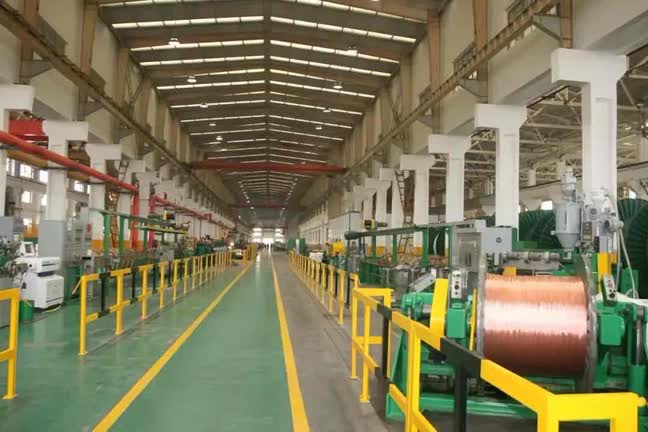
Identify supplier, plant, line, raw-material lots, tooling or process route when the sample is intended to represent production.
Name the sample
Assign sample number, length, cut positions, ends, storage condition and photographs before testing.
Name the approval
State owner, reviewer, date, open points, permitted use and the next gate for production release.
Use power cable sample approval to distinguish a visual prototype, an initial production inspection, a qualification sample and a routine production check.
The Approved Sample Came From a Different Process Route
Situation: A buyer approves a compact cable sample made on a pilot line. The production order later moves to a different extrusion line and compound lot to meet schedule.
Finding: The sample construction appears unchanged, but the process, tooling and material traceability do not match the approved evidence. The original approval does not state whether such a transfer is allowed.
Decision: The supplier notifies the change, compares the routes, repeats defined initial-production checks and records the production transfer before the lot is released.
Result: The buyer receives a controlled production baseline instead of treating a pilot sample as an unlimited guarantee.
Power cable sample approval should not allow a sample result to cover changed materials, tooling, plant, process or supplier without a defined review.
Evidence That Should Survive Sample Approval
Keep the approval useful after the physical sample is no longer on the desk.
- Approved construction drawing, datasheet and specification revision.
- Sample photos, dimensions, mass, labels and cut-position identity.
- Cable sample testing methods, raw results, instruments and acceptance basis.
- Interface checks for glands, lugs, joints, trays, ducts or terminations.
- Manufacturing plant, line, material and tooling information where relevant.
- Open deviations, concessions, limits and the person who approved them.
- Production-lot checks required after sample approval.
An approval without a boundary can be quoted later as proof of conditions it never covered.
Include power cable sample approval, initial production inspection and mass-production release rules in the RFQ and quality plan.
Do Not Turn a Sample Into a Shortcut Around the Specification
A sample can support an engineering decision, but it does not replace the approved specification or all required routine, type or sample tests. State which checks were performed and which remain mandatory for production.
When a buyer requests a sample because a requirement is difficult to visualize, the supplier should explain any limitation of the sample size, process stage or test method. Honest limits make approval more useful than a broad promise of similarity.
For a cable mass production release, the final gate should compare the active lot with the approved sample baseline and record any permitted difference.
A Practical Release Gate After the Sample Passes
Move from sample approval to production in controlled steps.
| Gate | Question | Release record |
|---|---|---|
| Construction | Does the active item match the approved sample? | Revision and comparison sheet |
| Materials | Are conductor, compound and accessory sources within scope? | Lot and supplier traceability |
| Process | Is plant, line, tooling or method changed? | Transfer review and checks |
| Testing | Are all required production tests defined? | Inspection and test plan |
| Interfaces | Do equipment and accessory fits remain valid? | Dimension and compatibility check |
| Commercial | Are quantity, delivery and warranty terms unchanged? | Order baseline and exceptions |
A sample pass is one gate in the release path, not the end of production control.
Handle a Sample Change Without Restarting Every Decision
Not every change requires a full qualification, but every change needs a reasoned screen.
Compare the changed element
Identify material, conductor, compound, tooling, process, plant, dimension, accessory or document differences.
Assess affected properties
Check electrical, mechanical, thermal, fire, interface, test, delivery and lifecycle effects.
Choose repeat evidence
Define whether a document comparison, dimensional check, initial production inspection or broader test is needed.
Update the baseline
Link the decision to active lots, certificates, labels, deviations and future sample references.
Commercial Phrases That Need a Technical Follow-Up
These statements are common in offers and too vague for a release decision.
- Sample approved, production to follow standard practice.
- Equivalent material will be used if the original is unavailable.
- Initial production inspection included, details to be confirmed after order.
- Tests as required, without listing the scope or acceptance basis.
- Same as approved sample, although plant or tooling has changed.
- Sample retained by supplier, with no record of storage or access.
Replace broad assurances with a named scope, evidence package and approval boundary.
A Sample Should Improve Repeat Orders, Not Confuse Them
Repeat buyers benefit when the approved sample remains a searchable reference with construction, evidence and limitations attached. The next order can then confirm what changed instead of assuming that an old sample covers every new process.
Keep the final cable mass production release tied to the order, plant, material and test baseline. If a future project needs a different performance or interface, create a new comparison rather than silently reusing the earlier approval.
JINCHUAN Cable can provide product and manufacturing information for a sample package, while the buyer's technical authority decides what the sample permits for the project.
RFQ Inputs for Sample Approval and Production Release
Define power cable sample approval in the RFQ so sample purpose, testing, process representation and mass-production release are explicit.
- sample type, purpose, size, interface and permitted use
- approved construction, dimensions, materials, standards and revision hierarchy
- sample identity, source plant, line, tooling, raw-material lots and storage
- initial production inspection scope and raw-data requirements
- cable sample testing methods, instruments, witnesses and acceptance basis
- production-transfer, material-substitution and process-change review
- mass-production release gates, routine tests and lot traceability
- sample retention, deviation, warranty, repeat-order and final dossier rules
Technical references such as IEC 60502, IEC 60228 and IEC 60332 can align cable construction and test terminology. The approved project specification, applicable local rules and qualified design authority still govern the final system decision.
JINCHUAN Cable Support for power cable product qualification and production release
JINCHUAN Cable can prepare product, construction and manufacturing information for a defined sample and connect it with the agreed production-release evidence.
Review JINCHUAN Cable products and company background, then send the sample purpose and quality-plan requirements.
Define the sample boundary and repeat checks, then approve power cable sample approval before any production lot is released.
FAQ
What is power cable sample approval?
It is the controlled decision about what a defined cable sample proves, what it does not prove and which production gates remain open.
Is a pre-production sample the same as an initial production inspection?
Not necessarily. A pre-production sample may address fit or appearance, while an initial production inspection normally evaluates a defined production construction and process.
Can a sample pass release all mass production?
Only within the documented scope and after active materials, process, tests and traceability meet the release rules.
What is cable sample testing?
It is testing performed on a defined sample using named methods, equipment, raw results and acceptance criteria.
Why record the sample plant and tooling?
Those details show whether the sample represents the process and materials that will make the production lot.
What happens if production changes line or compound?
Screen the change, assess affected properties and repeat the defined initial-production or qualification evidence before release.
Should a sample be retained?
Retain it or preserve a complete digital record according to the quality plan, including identity, condition and access rules.
What belongs in a sample approval record?
Include purpose, construction, identity, source, dimensions, tests, interfaces, deviations, limitations and authorized decision.
Who approves a mass-production release?
The technical and quality authorities named by the project should approve the active lot against the sample and specification baseline.
How can JINCHUAN Cable support sample review?
JINCHUAN Cable can provide cable product, construction and manufacturing information for a controlled sample package.