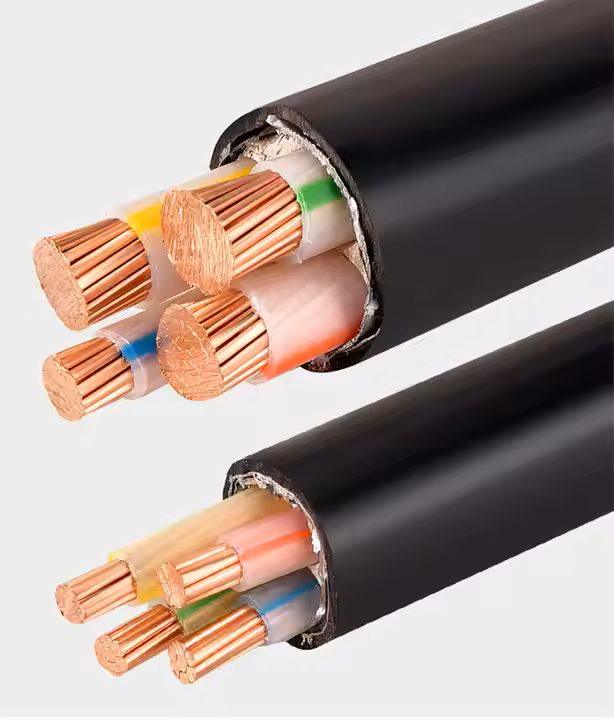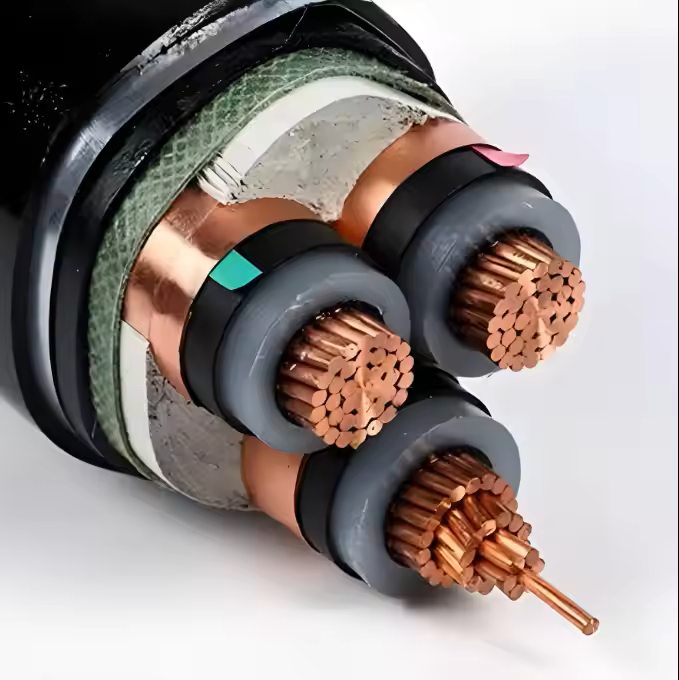

A termination can look complete while its electrical and mechanical condition remains unknown. Power cable termination torque verification turns a hidden installation variable into evidence by connecting the approved torque, tightening sequence, tool status and circuit identity before energization.
The correct value depends on the lug, bolt, material, accessory instructions and approved installation method. Cable lug torque, termination bolt tightening and screen connections should not be merged into one generic number copied from another project.
This guide follows a termination crew from preparation to release. It focuses on what to measure, what to record and what to do when the wrench, fastener or connection history is uncertain.

The Feeder Passed Insulation Test but the Lug Record Was Blank
Situation: A new feeder passes insulation testing and visual inspection. During commissioning review, the installation file has no signed tightening record for the transformer-side lugs.
Finding: The crew used a calibrated wrench on another workfront but cannot prove which tool or value was applied to this circuit. The connection is inaccessible after the enclosure is closed.
Decision: The project holds energization, identifies the lug and accessory, checks the approved method, verifies tool history and opens the connection only under an authorized inspection plan.
Result: The final dossier contains a circuit-specific record and the owner can distinguish a verified termination from one accepted only by appearance.
Power cable termination torque verification should link each fastener, tool, tightening sequence, operator and final electrical check to the installed circuit.
Confirm the Connection Before Applying a Value
Torque is meaningful only when the hardware and installation condition are known.
Identify the accessory
Record lug, connector, joint, gland, screen link, bolt grade and manufacturer instructions. Different assemblies can use different values even on the same cable size.
Check the prepared surfaces
Confirm conductor preparation, contact surfaces, washers, threads, barriers and cleanliness match the approved method before tightening begins.
Set the sequence
State whether the connection requires staged passes, cross-pattern tightening, a final angle or a recheck after settling.
Assign the circuit identity
Link the work pack to feeder, phase, equipment, termination end and location so the record cannot be reused for a different connection.
A power cable termination torque verification record is stronger when it shows the approved value, actual tool, calibration status and connection identity.
The Minimum Fields in a Tightening Record
A short record can still be auditable when each field has a clear purpose.
| Field | What to capture | Reason for retention |
|---|---|---|
| Connection | Feeder, phase, equipment and end | Prevents circuit mix-up |
| Hardware | Lug or joint type, bolt and washer | Shows which instruction applies |
| Approved value | Torque, unit, sequence and tolerance | Defines acceptance basis |
| Tool | ID, range and calibration status | Supports measurement confidence |
| Operator | Name or controlled identifier | Provides responsibility trail |
| Actual result | Pass, rework, retest and remarks | Explains final disposition |
| Date and witness | Time, hold point and reviewer | Connects work to release |
A photograph can support the record, but it cannot replace the approved value, tool identity or connection reference.
Use power cable termination torque verification to separate an incomplete tightening record from a connection that needs controlled rework.
Why the Same Wrench Does Not Prove the Same Torque
Torque wrench calibration supports the tool's measurement confidence at a defined range and date. It does not prove that an operator selected the right setting, reached the fastener or followed the accessory sequence. The setting and tool ID still belong in the work record.
Lubrication, thread condition, access angle and bolt surface can affect the relationship between applied torque and clamping force. Follow the accessory instruction rather than converting a value from a different bolt, lubricant or connector.
Where a method specifies a final recheck, treat it as a separate step. A first pass and a final verification should not be collapsed into one tick box.
Power cable termination torque verification should cover lugs, glands, screens, links and joint hardware where the approved method requires a defined tightening value.
Common Reasons a Termination Record Fails Review
Most gaps are simple traceability failures, not exotic electrical events.
- The record names a cable size but not feeder, phase or equipment end.
- The value is written without a unit, tolerance or accessory reference.
- A tool serial number appears, but its calibration was expired or outside range.
- The form covers a group of lugs without identifying each connection.
- Rework is mentioned in a note but the final value and reviewer are missing.
- Screen, gland or joint bolts are assumed to follow the main lug value.
A release reviewer should be able to select one connection and trace it from method to final evidence without asking the installer to reconstruct events.
Include power cable termination torque verification, tool control and retest responsibility in the RFQ before site work starts.
Choose the Right Response to a Torque Anomaly
The response depends on what is known about the connection, not only on whether the wrench clicked.
| Condition | Immediate control | Release evidence |
|---|---|---|
| Correct value and complete record | Continue planned checks | Signed record and electrical results |
| Value unknown, connection accessible | Hold and inspect under method | New controlled measurement |
| Wrong value applied, no visible damage | Refer to accessory authority | Disposition and rework or acceptance |
| Tool out of calibration | Identify affected connections | Impact review and repeat verification |
| Fastener or lug damaged | Segregate and replace | Material identity and new record |
| Connection inaccessible | Escalate to design and owner | Approved risk decision and monitoring |
Do not treat a low resistance reading as automatic proof that an undocumented connection is acceptable.
Rework Without Losing the Original Condition
When a connection is reopened, preserve the evidence that explains why.
Photograph before disturbance
Capture enclosure, connection, labels, fasteners and surrounding condition with the circuit identity visible.
Record the hold reason
State whether the issue was missing evidence, wrong setting, tool status, visible damage or an electrical symptom.
Use the approved method
Control cleaning, replacement parts, preparation, sequence and environmental conditions during rework.
Repeat final checks
Complete torque evidence and the electrical or continuity checks required for the termination and connected system.
Electrical Tests Belong Beside, Not Instead of, Mechanical Evidence
Continuity, resistance, insulation and functional tests can reveal a problem with the completed circuit, but they do not identify the tightening process or prove that every fastener followed the approved method. Mechanical evidence and electrical evidence answer different questions.
For a cable joint torque record, include the joint or link identity and any sequence that applies after settling or thermal cycling. A record that says only 'torqued' cannot explain which part of the assembly was checked.
The release package should make exceptions visible. If an owner accepts an inaccessible connection based on additional testing or monitoring, preserve that decision with the affected circuit rather than hiding it in meeting minutes.
Questions to Settle Before the First Termination
A pre-job review prevents the crew from improvising values at the equipment face.
- Which approved instruction controls each lug, connector, gland, screen and joint hardware?
- What torque units, tolerance and sequence must appear on the form?
- Which tools are available, and how will calibration status be checked at the workfront?
- Who may approve a substitute fastener, lug or repair method?
- What is the hold point before enclosure closure or energization?
- Which test results must be attached before final release?
Clear answers make the record faster to complete and harder to misinterpret later.
A Good Torque Record Protects the Next Intervention
Maintenance teams may need to remove a termination years after commissioning. The original record tells them which accessory and method were used, what was accepted and whether any project-specific concession remains active.
Keep the circuit, phase, equipment, tool and final status linked in the as-built dossier. A general form stored without location is difficult to trust when several identical feeders share one room.
The practical goal is not paperwork for its own sake. It is a connection whose installation, inspection and future rework can be understood without relying on the memory of a single installer.
RFQ Inputs for Termination Torque and Release Evidence
Define power cable termination torque verification in the RFQ so bidders include the correct accessories, tools, records and retest responsibility.
- cable construction, conductor, lug, connector, gland, screen and joint types
- approved accessory instructions and torque units, ranges, values and sequence
- tool availability, calibration, identification and replacement controls
- operator qualification, supervision, witness and hold-point requirements
- connection identity by feeder, phase, equipment, end and location
- rework, wrong-value, damaged-hardware and inaccessible-connection workflow
- continuity, resistance, insulation and functional test requirements
- signed forms, photographs, calibration records and final dossier format
Technical references such as IEC 60502, IEC 60228 and IEC 60332 can align cable construction and test terminology. The approved project specification, applicable local rules and qualified design authority still govern the final system decision.
JINCHUAN Cable Support for power cable termination and commissioning work
JINCHUAN Cable can provide ordered cable construction and accessory information so the project team can align termination instructions, records and release checks.
Review JINCHUAN Cable products and the company profile, then send the cable schedule and approved termination method.
Name each connection, control the tools and close power cable termination torque verification before enclosure closure or energization.
FAQ
What is power cable termination torque verification?
It is the controlled confirmation that specified connection hardware was tightened with the approved value, sequence, tool and traceable record.
Is one torque value suitable for every cable lug torque task?
No. Apply the instruction for the specific lug, connector, bolt, material and accessory assembly.
Why does torque wrench calibration matter?
Calibration supports confidence in the tool's measurement at a defined range and date, but the selected setting and connection identity must also be recorded.
Can an electrical test replace a tightening record?
No. Electrical tests and mechanical installation records provide different evidence and should be reviewed together.
What should happen when the value is unknown?
Place the connection on hold, preserve its condition, inspect under the approved method and complete a controlled disposition or rework.
Should screen and gland bolts use the main lug value?
Only if the approved accessory instruction says so. Different hardware may require different values and sequences.
What is a cable joint torque record?
It is a traceable record for joint hardware or links showing the connection, approved method, tool and final status.
Who approves an inaccessible connection?
The designated technical, quality and owner authorities should approve any risk-based acceptance and its monitoring or testing basis.
What belongs in the final dossier?
Include connection identity, method, value, tool and calibration, operator, witness, photographs, rework and final electrical checks.
How can JINCHUAN Cable support termination review?
JINCHUAN Cable can clarify cable and accessory data so qualified site teams can apply the approved termination method and evidence plan.