
A tobacco factory power cable supplier should understand that production depends on controlled material condition and airflow as much as the visible processing machines. A fan, dryer auxiliary or conveyor can interrupt output across several stages.
The practical answer is to connect each feeder with the process area and operational consequence it supports. Conditioning, cutting, drying, extraction and packing should remain visible as one production path.
This lets buyers compare scope more clearly and gives maintenance teams records that reduce tracing time during limited shutdown windows.
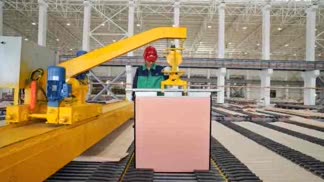
Why material condition, airflow and handling must stay coordinated
Tobacco processing may include conditioning, cutting, blending, drying, cooling, storage, conveying and packing. Fans, conveyors and environmental systems connect these stages and may serve more than one machine.
Circuit names should follow stable process zones and equipment tags rather than temporary product names. This keeps electrical records useful as production programs change.
Three decisions that define the right tobacco factory power cable supplier
Give drying auxiliaries the same visibility as the dryer
A tobacco dryer power cable may serve the main equipment, but fans, pumps, conveyors and controls determine whether the thermal process remains stable.
Buyers should identify the restart sequence and which auxiliaries protect product or equipment during an interruption.
Treat dust extraction as a shared production system
A dust extraction fan cable may support several transfer or processing areas. Its plant consequence can be greater than the motor rating suggests.
The schedule should show the zones served, route conditions and maintenance access so the circuit is not hidden among general utilities.
Plan packing circuits for speed and product changes
A tobacco packing line cable can serve feeders, packers, inspection, coding and case handling. These high-speed systems may change with pack formats and automation.
Stable line identity and spare route capacity help modifications remain controlled and documented.
Connect each process zone with the reliability question it creates
A supplier-ready schedule should show where heat, dust, airflow and high-speed material handling change the cable requirement.
| Production area | Main concern | What the buyer should clarify |
|---|---|---|
| Conditioning and blending | Material condition and shared utilities | Equipment tags, humidity systems and route |
| Cutting and conveying | Dust and repeated motors | Zones served, mechanical exposure and access |
| Drying and cooling | Heat, airflow and restart sequence | Critical auxiliaries and route temperature |
| Packing | High speed and format changes | Line identity, spare capacity and automation stages |
Adding a high-speed packing line without losing process clarity
A factory may add another packing line while upstream processing remains shared. The project changes conveyors, compressed air, inspection, coding and finished-case handling.
The buyer maps the new line and identifies every shared process and utility dependency before finalizing cable groups. JINCHUAN Cable can then review the addition within the full production path.
The resulting records help commissioning teams integrate the line and give maintenance teams a clear picture of how it depends on existing factory systems.
What buyers should include in the RFQ
The inquiry should identify process zones, shared airflow systems, thermal equipment and packing targets so the supplier can understand the actual operating requirement.
- System voltage and frequency
- Load or cable schedule
- Motor ratings and starting method
- Route length and installation method
- Indoor, outdoor, wet, dusty or hot route conditions
- Required conductor, insulation, sheath and armor details
- Destination, delivery stages and required records
- Dryer auxiliaries and restart sequence
- Dust-extraction zones and fan groups
- Packing speed and future automation
For tobacco factory projects, references such as IEC 60502, IEC 60228 and IEC 60332 can help both sides use consistent terminology. They do not replace the approved project specification or the buyer's responsibility to confirm the design.
Common mistakes that increase project risk
Reviewing only the main production machines
Fans, conveyors and controls may determine whether a process area remains available.
Using broad dusty-area assumptions
Actual routes and cleaning conditions should be described by zone.
Leaving restart planning to commissioning
Critical thermal and airflow systems should be identified before installation.
Naming circuits after temporary products
Stable line and equipment tags remain useful through future program changes.
Which tobacco factory projects need this level of planning?
This planning level is useful for continuous processing plants, dryer upgrades, dust-control projects and high-speed packing expansions.
- New tobacco processing lines
- Dryer and cooling upgrades
- Dust-extraction improvements
- Additional packing and inspection lines
A small standalone packing facility may need a simpler process review, but shared air, conveyors and circuit identity should remain clear.
How JINCHUAN Cable supports tobacco factory projects
For tobacco processors, factory engineers and production-line project teams evaluating the tobacco factory power cable supplier, JINCHUAN Cable can connect tobacco processing, drying, extraction and packing loads with their actual production zones and operating dependencies.
Providing equipment tags, shared-system information, route conditions and delivery stages helps JINCHUAN Cable prepare a proposal that purchasing and engineering teams can evaluate on the same basis.
Buyers planning tobacco factory projects can review JINCHUAN Cable products and learn more about the JINCHUAN Cable company. A useful first inquiry should explain the project purpose, critical loads, route conditions, quantities, destination and expected records.
That information helps JINCHUAN Cable connect technical construction with stable material processing, dependable airflow, controlled drying and reliable packing, giving the buyer a stronger basis for supplier comparison and future maintenance.
FAQ
What should buyers expect from the tobacco factory power cable supplier?
Buyers should expect a discussion that connects cable construction with critical loads, route conditions, maintenance needs and future plans for the tobacco factory.
Why is cable planning important for tobacco factory projects?
Cable planning for the tobacco factory supports uptime by keeping shared systems, operating conditions and circuit identity visible before installation.
Is the lowest cable price always the best value?
No. Supplier comparison for tobacco factory projects should include operating fit, route assumptions, records, packing and the risk of changes after approval.
How can buyers make the first inquiry more useful?
Describe what must keep running in the tobacco factory, then provide load, voltage, route, environment, quantity and document information.
Can JINCHUAN Cable review this type of tobacco factory project?
Yes. JINCHUAN Cable can review the tobacco factory cable schedule, loads, routes, site conditions, quantities and expected approval records.
Why do equipment and route names matter?
In tobacco factory projects, they help engineering, receiving, installation and maintenance teams connect every cable with its actual purpose.
Should future expansion be discussed before ordering?
Yes. Known tobacco factory expansion stages can affect route space, distribution capacity, circuit naming and the value of today's records.
Which technical references may be discussed?
Teams working on tobacco factory projects may discuss IEC cable and conductor references, while the approved specification remains the final basis for the order.
What information makes a supplier reply more useful?
For the tobacco factory, provide the load list, voltage, route, installation environment, operating dependencies, quantities, destination and required records.
How does a clear cable plan support the buyer?
It connects the tobacco factory cable decision with uptime, maintenance and growth, giving the buyer a practical basis for comparing suppliers.