
Cable Schedule Requirements for a Controlled RFQ
Freeze the identity, endpoints, electrical duty, route, length, installation method, test responsibility and revision of each ordered circuit in the cable schedule. Issue one controlled revision, then ask the supplier to return those same rows with assumptions, deviations and drum or joint proposals visible before award.
Reference used for terminology: IEC 60228:2023. We use IEC 60228:2023 here for the shared terms around conductor class, nominal area and resistance. It helps a buyer compare offers; the approved project design, installation method and local rules still decide what gets ordered.
"conductors of insulated cables"
Attributed to IEC 60228:2023.
Most buyers inherit the cable schedule just before the purchase order is due. At that stage the factory is reserving material, logistics is asking about drums, and an electrician is trying to match a label to a panel. A vague row in the cable schedule becomes a real cost very quickly.
When I open row P-204-FDR-01, I want the two ends, the duty, the route, the quantity and the issue on that one screen. Sending a reviewer through six other files is how a harmless naming mismatch becomes a site query.
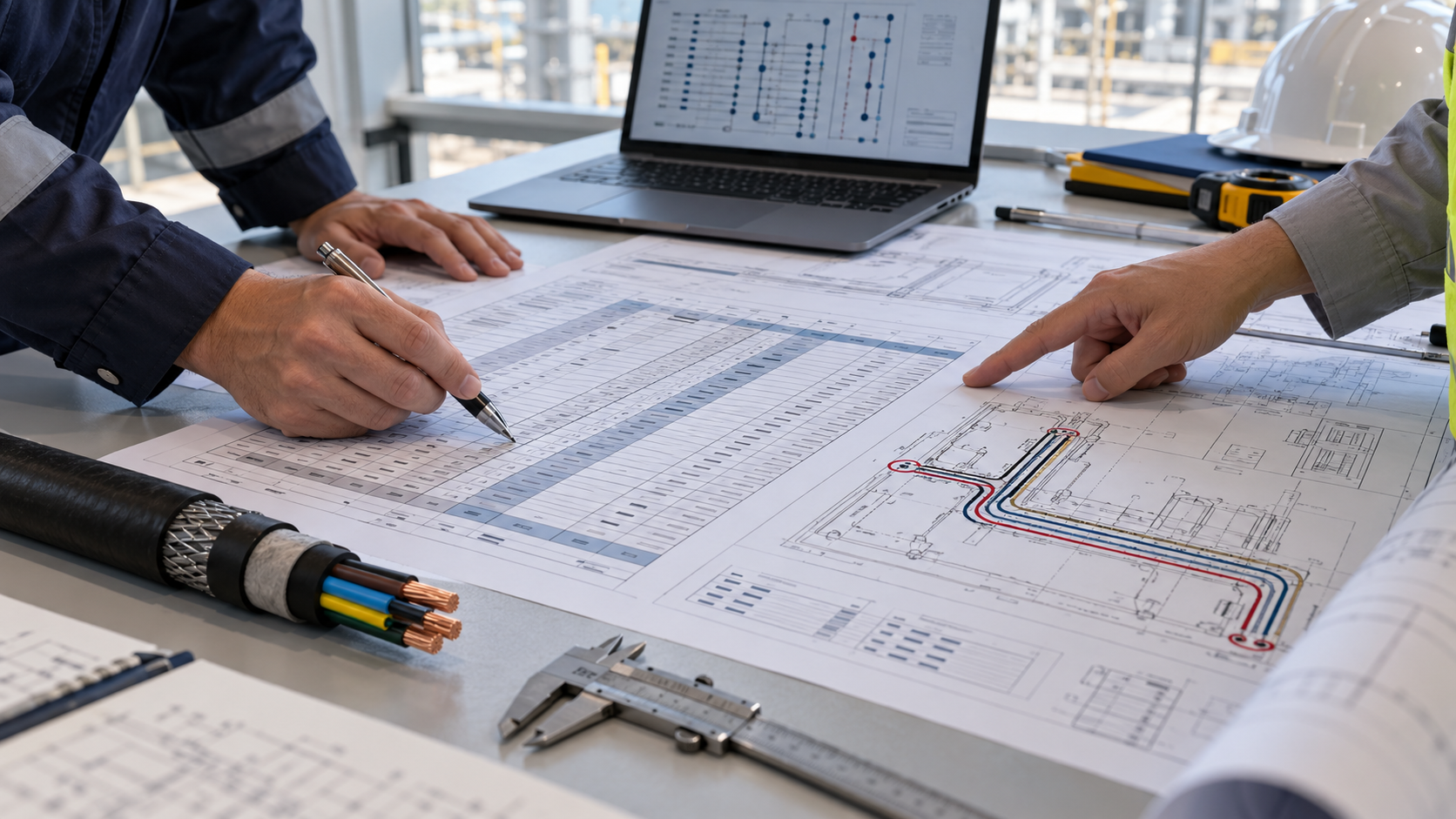
Read the cable schedule below as a working RFQ and as a change log. The notes also say where a supplier can confirm a build and where the project's design authority has to sign.

Use the Cable Schedule as the Project's Control Point
On a live job, this cable schedule is the meeting place for the load list, route drawing, purchase order and as-built file. Consider feeder P-204: one drawing says MCC-3, while a later mark-up says Pump House B. A factory can build the specified cable and still send it toward the wrong endpoint.
Put an owner, issue date and revision beside the rows. Mark an inquiry issue as comparison material, not as permission to cut. That small label matters when a Friday route change leaves two files open on different laptops.
The maker can confirm construction, standards, routine tests, drum options and quotation data. The project design authority still owns protection, fault duty, voltage drop, earthing and local compliance.
A good row lets the next reviewer tell fact from assumption and find the person who must close the open point. Adding columns without that ownership only makes a longer cable schedule.
The Labels a Technician Will Actually Use
Think of the person holding a flashlight at a panel. These are the labels that let them find one circuit without reading a drawing index.
One number, even when the supplier uses three drums
P-204-FDR-01 survived the pump-house job from the first inquiry to the as-built file. The maker split the order over three drums, but the commercial split never changed the circuit identity.
Use the endpoint names people see on site
Write the single-line names and add the terminal or cubicle where known. MCC-3 to Pump House B is searchable by engineering and maintenance; an email nickname is not.
Name the load behind the tag
Put the motor, drive, pump, heater or process zone in the row. On a night-shift fault call, that short clue beats a drawing-sheet number.
What P-204 Has to Carry
The entries below give a bidder the load story and leave a visible trail back to the design choice.
| Field | What to record | Why it matters |
|---|---|---|
| System voltage and frequency | 11 kV / 50 Hz / three-phase in the P-204 brief | Sets the insulation and test reference |
| Load and design current | Running value, plus the start or inrush note | Shows the duty the cable will see |
| Conductor construction | Cu or Al; class, area and number of cores | Gives bidders one starting brief |
| Insulation, sheath and armour | Material, temperature limit, fire and site exposure | Connects the build to the route |
| Protection and fault duty | Device, fault input, screen or armour detail | Keeps system approval with design |
Record the input and the assumption beside it. The supplier can check its cable construction; the project still approves the electrical system.
The Route Changes the Answer
A cable that passes one installation review can fail the next. Note what surrounds the run, not just what is printed on the jacket.
| Field | Examples | Review question |
|---|---|---|
| Installation method | T-12 tray, D-04 duct, trench, tunnel or entry | Does the build suit the actual run? |
| Route and zone | P-03 through T-12 to M-204 | Can the crew find it without the full set? |
| Length basis | Measured run, riser, tails and allowance | Measured quantity or scaled estimate? |
| Grouping and environment | Adjacent circuits, ambient, soil, UV, oil, water, heat | Why was that correction used? |
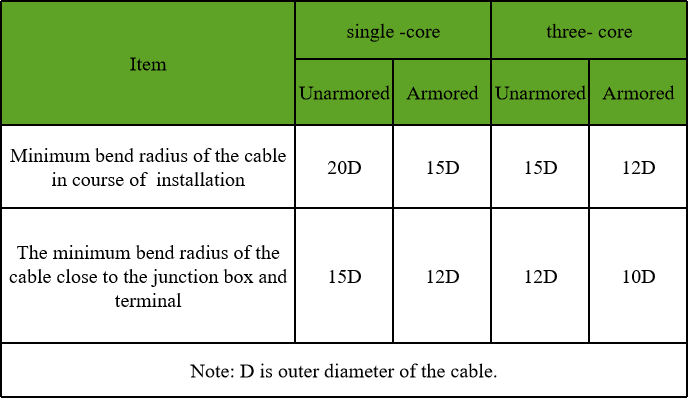
| Access and protection | Bend radius, pull tension, cleats, supports, crossings | Will the pull protect cable and crew? |
Pick a route reference that can survive a design change. Outdoor run is a description, not a controlled quotation reference.
Make Quantity and Drum Assumptions Visible
Length is both a purchasing quantity and a site quantity. For P-204, we listed the tray measurement, the rise into the starter, both tails and the allowance. The 118 m stayed labelled as an estimate until the walkdown was signed.
For a long run, the drum plan belongs in the engineering conversation. The supplier may suggest a split; the buyer supplies delivery order, lifting limit and payout point. A neat route drawing can still fail at the work front.
Put yes or no beside joints, add the expected count and name the accessory owner. Give a construction transition its own reference so a later revision cannot silently drop a joint kit.
Make the Revision Explain Itself
The issue should tell a new reviewer which drawings, purchase records and quality files belong together.
Say what C03 means
Give C03 a date and a plain purpose: inquiry, approved for purchase, construction or as-built. Keep the older issue for history, but out of the release folder.
Link the files behind the row
Point to the single-line diagram, route drawing, load list, cable specification and inspection plan. A direct link saves the next reviewer a project-system treasure hunt.
Write the reason and the accepting name
Put the reason, affected documents, cost or schedule effect and approver beside the change. That is a decision record, not a decorative new filename.
A Rev B Route Meets a Rev C Work Front
Situation: The pump-house package left the office with endpoints and nominal lengths while the route drawing was Rev B. A pipe rack then pushed the tray aside, and the starter landed in another cubicle.
Finding: The supplier made the old length. The installer printed labels from the old panel reference. The cable passed its specification, but neither the quantity nor the endpoint record matched the place where the crew was working.
Decision: The buyer held that release, measured the changed route and issued Rev C with a sentence explaining why. The supplier kept the row numbers and returned a new length, drum split, endpoint and deviation note.
Result: One drum moved to the revised run before pulling; the old labels went in the bin. The check took part of a shift. Finding it after pulling would have meant a joint, replacement cable and an incomplete as-built record.
What Should Come Back With the Quote
Keep the buyer's row numbers in the reply. That one habit makes assumptions and deviations much easier to discuss.
- Put the buyer's row and issue on every quoted line. A question from the factory can then find the engineer responsible for that circuit.
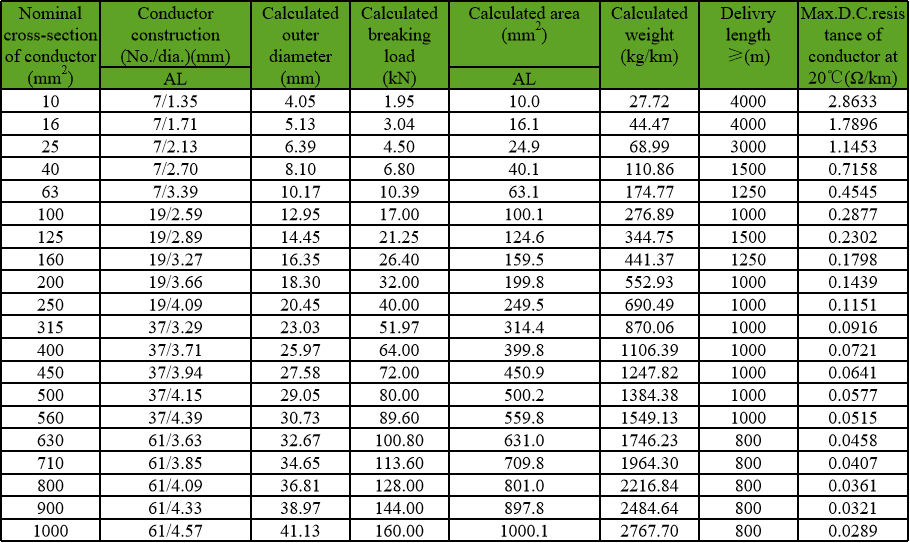
- Give construction, standards, conductor detail, outside diameter, mass and minimum bend radius. A product name alone does not give purchasing a comparison.
- Set the requested length beside the proposed manufacturing and drum lengths. Write a joint allowance openly instead of burying it in a note.
- Name the manufacturing, sample, routine or witness tests included. Put route, grouping, ambient, termination and accessory assumptions alongside them.
- Finish with line-by-line deviations, packing, drum marks, delivery order, certificate pack and any design question still open.
The unchanged rows give purchasing a like-for-like offer and engineering a reply it can mark up without translation.

Put a Name Against Each Decision
The small matrix below separates the person supplying an input from the person who accepts the answer.
| Decision | Buyer provides | Supplier returns | Approval owner |
|---|---|---|---|
| Circuit identity | Row, two ends, equipment tag | Same row plus proposed cable ID | Design authority |
| Electrical construction | Voltage, duty, conductor, environment | Build, standards, data sheet | Design plus quality |
| Route and quantity | Route issue, length basis, method | Quantity check, drum plan, assumptions | Buyer and construction |
| Testing and records | ITP, level, certificate request | Test schedule, reports, traceability | Quality |
| Changes and deviations | Issue code and reply date | Deviation lines and open points | Buyer with design |
It keeps a commercial freeze from being mistaken for an engineering approval.
Do the Walkdown Before Award
Before award, take a few rows from the single-line diagram to the route drawing, then follow the supplier reply to its proposed drum and endpoint. Sample ordinary circuits; inspect every critical feeder, parallel run and long pull.
The spreadsheet will not show a panel renamed in a later drawing, a missing riser allowance, armour that conflicts with earthing, or a gland smaller than the proposed diameter. The walkdown will.
Finish with the handover test: could a technician identify the cable, find its route and retrieve its certificate two years from now? A recorded change beats an untouched file while the work front moves.
Evidence to Attach to the RFQ
Attach the items below. They let a bidder price the installation that exists, rather than an imaginary generic run.
- the current single-line diagram, load list and route drawings, with the revision code visible
- source and destination references, equipment tags, parallel runs and spare circuits
- system voltage, frequency, design current, starting duty and protection assumptions
- conductor, insulation, sheath, armour, fire and environmental requirements
- installation method, route zones, grouping, ambient or soil conditions and access limits
- the measured-length basis, drum or delivery limits, joint allowance and termination scope
- routine, sample, type or witness tests plus the certificate pack expected at handover
- the supplier response form, deviation route, approval names and required reply date
For shared terminology, compare IEC 60502, IEC 60228 and IEC 60332. The project specification, local rules and the qualified design authority still decide the final system.
JINCHUAN Cable Support for industrial cable procurement and project handover
For a frozen row, JINCHUAN Cable can return construction, conductor, insulation, diameter, mass, bend-limit and manufacturing-test data against the approved project specification.
Browse the cable range and the manufacturing profile. Send the controlled schedule with the inquiry so row numbers and open points stay visible in the reply.
Use About JINCHUAN Cable or Contact JINCHUAN Cable to share the project voltage, route and service conditions.
Freeze the row identity and revision, then require each bidder to return the same schedule with construction, quantity, tests and deviations exposed before release.
FAQ
What belongs on a cable schedule?
Give each row an identity, two endpoints, electrical duty, construction, route, installation method, quantity, tests, revision and handover references.
Why write endpoints as source and destination?
MCC-3 to Pump House B gives maintenance a traceable pair. A nickname copied from an email does not.
Should the schedule include route length?
Yes. Show the measured route, risers, tails, allowance and any proposed drum or joint split next to the quantity.
Who owns the electrical design fields?
The design authority owns calculations and approvals. The supplier confirms its construction and states the assumptions used in its offer.
What is revision control for?
It records why a row moved, which documents changed and who accepted the new issue before purchase or construction.
Should suppliers keep the buyer's row numbers?
Yes. The original row ties a deviation, drum, test certificate and engineer response back to one circuit.
Which tests should be listed?
Name the routine, sample, type or witness tests required by the purchase specification and the certificate format quality expects.
Can a supplier change drum length?
A supplier may suggest a split. The buyer still checks pulling, transport, jointing and site handling before accepting it.
How does the schedule support handover?
Drum IDs, cable tags, route references, endpoint photos and certificates can all point back to the approved row and revision.
How can JINCHUAN Cable help with a review?
JINCHUAN Cable can return construction, data-sheet, test and manufacturing information against the controlled rows for review by the buyer and design authority.