
Two systems can move the same current between the same two points. One is a rigid enclosure with conductors inside it and a joint every few metres. The other is cable, on a tray or in a trench, jointed only where it has to be.
Both are ordinary, both are reliable, and the decision between them is usually made on first cost and then justified afterwards. The better approach is to look at how each system behaves over the life of the building or plant.
That means asking about taps, extensions, fire stopping, maintenance access and how a fault is found.
Busbar Trunking and Cable: Two Ways to Move Power
The differences between busbar trunking and cable appear after commissioning rather than before it.
| Aspect | Busbar trunking | Cable |
|---|---|---|
| Making a new connection | Tap off box fitted to the run | New joint or a new cable from the source |
| Route flexibility | Fixed sections and fixed tap positions | Laid around obstacles, curved freely |
| Extension at the far end | Add another section | Pull another cable or extend a joint |
| Fault finding | Section by section, with visible joints | Requires testing along a continuous length |
The first row decides most of the arguments, and the last row decides most of the operating costs.
Busbar trunking carries current in rigid conductors inside an enclosure, with joints at fixed intervals and tap off points along the run.
Where Busbar Trunking Wins and Where Cable Wins
Trunking suits repetitive, vertical and predictable routes. A riser serving floors with similar loads is close to its ideal application, because the same section is repeated and taps are added at known positions.
Cable suits long or irregular routes, wet or buried sections, and anything that has to follow a path a rigid enclosure cannot. It also suits the sections where a very large single circuit is needed and the route is known from the start.
Industrial plants often use both. Trunking runs through a machine hall where future connections are likely, and cable feeds the individual loads from the nearest tap.
Recognising which part of a distribution network is stable and which is likely to change is the most useful input to the comparison, and it comes from the operating team rather than from the drawings.
A tap off box makes a connection to a live run without cutting it, which is the property that most often decides the comparison in favour of trunking.
Reasons Projects Change Their Mind
Late changes between the two systems are common, and the causes repeat.
- A riser route that turns out to be tighter than the enclosure sections can follow.
- Load additions discovered during construction that would require new cable joints instead of tap off boxes.
- A floor penetration detail that cannot be fire stopped with the enclosure proposed.
- Ambient conditions in a plant room that reduce the trunking rating below the figure in the catalogue.
- Maintenance preferences discovered from the team that will actually operate the installation.
Each of these is a question that can be asked in a design review and is painful to answer on site.
Riser distribution in a tall building is the classic application, because the run is vertical, repetitive and likely to be extended by later tenants.
What the Comparison Must Include
Five items make the two options genuinely comparable rather than merely priced.
The real current at each section
A trunking run is rated section by section, and the method of installation changes the figure along the route.
The number and position of future taps
Tap off points are the strongest argument for trunking, and they are worth counting rather than assuming.
The route through every floor and wall
Penetration details and their fire stopping are cost items that differ sharply between the two systems.
The ambient conditions
Plant rooms and roof spaces are warmer than the corridor outside them, and both systems derate.
The maintenance approach
How a fault will be isolated and found, and whether the site can work on the system without a shutdown.
Current rating depends on the enclosure, the ambient temperature and the way the run passes through floors, and it is not a single figure for the whole route.
Interfaces at Each End
Both methods terminate at equipment, and the termination is where each system reveals its habits.
| Interface | Busbar trunking | Cable |
|---|---|---|
| Source end | Connects to a breaker with a purpose made connection | Terminated in the switchgear with a standard termination |
| Load end | Tap off box with its own protective device | Cable termination or gland at the equipment |
| Between sections | Joint assembled on site at fixed intervals | Joint only where the route or length demands it |
| At a floor | Fire stop integrated with the enclosure | Fire stop around the cable or tray |
A comparison that ignores the load end devices is comparing only part of each system.
Fire stop details belong to the system being installed, and trunking passing through a floor opening needs an arrangement that works with its enclosure rather than one designed for cable.
A Riser That Grew by Four Floors
Situation: A commercial building was fitted with a cable distribution system to each floor, sized against the tenant load known at design stage.
Finding: Three years later, two floors changed use and the electrical demand rose. Adding circuits meant pulling new cable along a riser that had been filled to a working limit, and each new connection needed a joint or a new feeder.
Decision: The extension was completed, and the next building in the same portfolio was specified with trunking in the riser and cable from each tap to the loads.
Result: The decision did not follow from the first cost of either system. It followed from how often the installation had been asked to change.
Fire Stopping and Segregation
A vertical run passes through structural openings, and each opening has to be sealed to the standard the building requires. The detail differs completely between an enclosure with its own fire stopping arrangement and a tray carrying cables.
Trunking manufacturers design penetration arrangements that work with their enclosure, and using one of them is usually faster than inventing a detail on site. Cable routes need the same discipline applied to the tray and to the cable itself.
Segregation is the second consideration. Keeping power and control or data circuits apart is straightforward on a tray with defined compartments, and it needs planning inside a shared enclosure.
Both systems can meet the requirement. The cost of doing so is what differs, and it appears in the comparison only if somebody asks for the detail during design rather than after installation.
Questions for the Design Review
Four questions usually settle the choice before pricing starts.
How often will the installation change?
Frequent taps and additions point towards a system that can be extended without new joints.
How predictable is the load?
A steady load with a known final figure favours cable, while a growing one favours tap off points.
What does the route pass through?
Floors, walls, plant rooms and roof spaces each impose their own constraints on rating and sealing.
Who maintains it, and how?
The operating team's answer about fault isolation and spare parts should be recorded in the decision.
Maintenance Differences Between Busbar Trunking and Cable
The two systems ask different things of a maintenance team.
- Trunking is inspected section by section, with joints that can be opened and examined.
- Cable requires testing to locate a fault along a continuous length, and a repair usually means a joint.
- Spare parts differ: trunking needs matching sections and tap off boxes, cable needs accessories and a jointer.
- Both need thermographic inspection at terminations, and the hot spots sit in different places.
- Whichever is installed, the record of what was built is what makes the difference on the day of a fault.
Availability of the right spare is usually more valuable than the theoretical maintainability of either system.
Where They Meet
Most installations are not a choice between two systems but a boundary between them. Trunking stops at a tap off box or a panel, and the cable continues from there to the load.
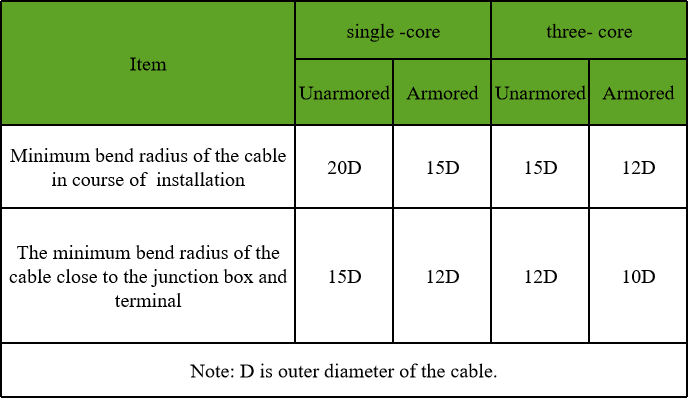
That boundary deserves the same attention as the tap itself. Cable entering an enclosure needs appropriate glands, support and bending space, and the enclosure has to be able to accept them without being modified on site.
Where the two systems meet badly, the fault usually appears at the interface rather than in either system, which is why the drawings for both should be reviewed together.
The cable and trunking suppliers rarely meet, and the person who coordinates them is usually the one who avoids the problem.
RFQ Inputs for a Distribution Choice
These details let busbar trunking and cable be compared on the same basis before either is ordered.
- the current at each section of the route, including future growth
- the number and expected positions of future tap off points
- the route through floors, walls and plant rooms
- the ambient temperature in each space the route passes
- the fire stopping standard at every penetration
- the segregation required between power and other circuits
- the load end equipment and the space available at it
- the maintenance and spares approach the operator expects to follow
Technical references such as IEC 60502, IEC 60228 and IEC 60332 can align cable construction and test terminology. The approved project specification, applicable local rules and qualified design authority still govern the final system decision.
JINCHUAN Cable Support for riser and high current distribution
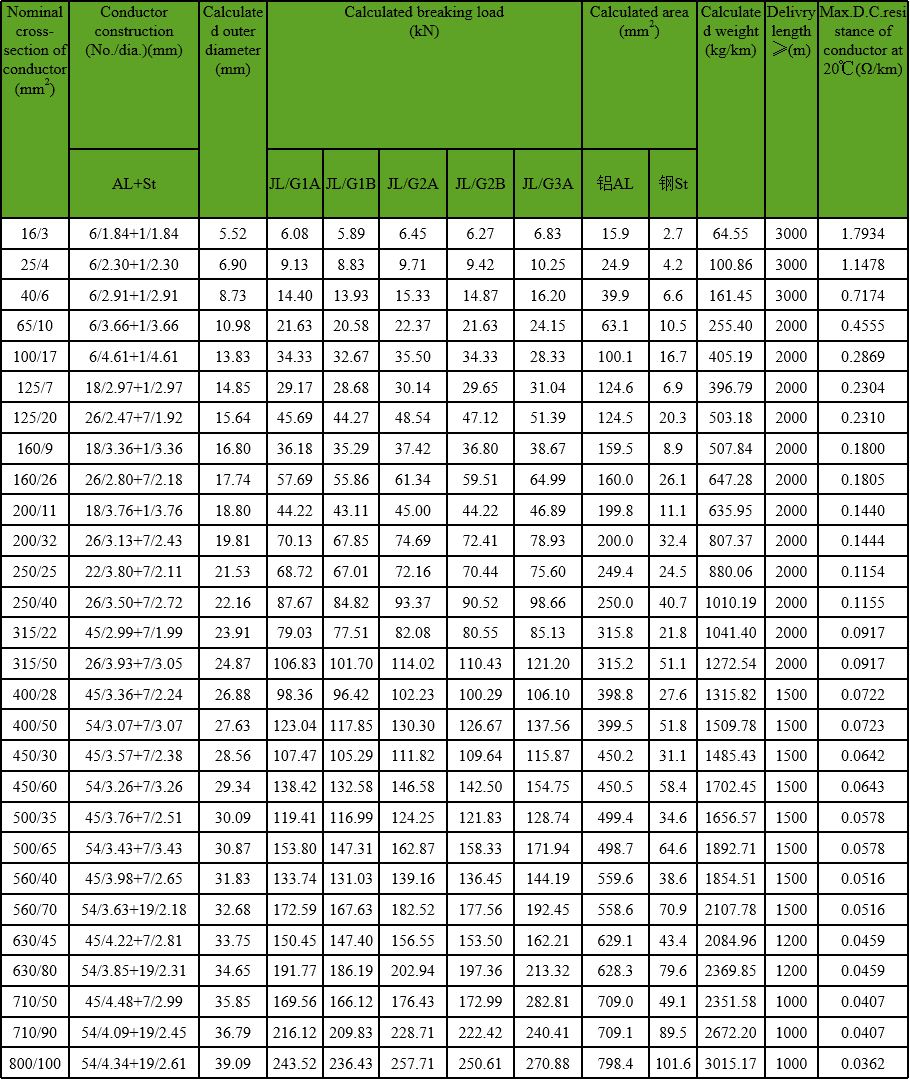
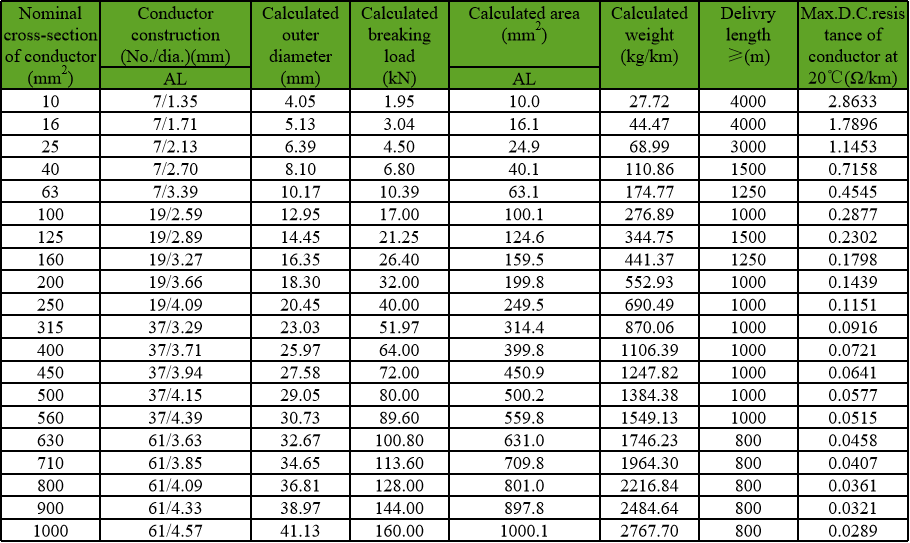
JINCHUAN Cable supplies the cable side of a mixed distribution system, including the sections between a tap off point or panel and the equipment being fed.
Review the cable range and the manufacturing profile, then compare the two methods against the loads and the routes they will actually serve.
Ask how often the installation will change before comparing busbar trunking with cable on price, because the answer decides which method is cheaper to own.
FAQ
What is busbar trunking?
It is a rigid enclosed system of conductors supplied in sections, jointed on site, with tap off points at defined intervals along the run.
How does it differ from cable?
Connections can be added along the run without cutting it, and the route is made of sections rather than a continuous length pulled through a route.
Where does trunking suit best?
Repetitive vertical risers and machine halls where loads are similar and future connections are likely.
Where does cable suit best?
Long or irregular routes, buried and wet sections, and locations that a rigid enclosure cannot follow.
Does the current rating change along a run?
Yes. Ambient temperature and the way the run passes through floors and enclosures affect the rating at each section.
How are fire stops handled?
Each system has its own approach. Trunking manufacturers publish penetration arrangements for their enclosures, and cable routes are sealed around the tray and cable.
Can the two be mixed?
They usually are. Trunking distributes through a riser and cable runs from each tap or panel to the load.
Which is cheaper to maintain?
It depends on the spares and skills the site holds. Trunking is inspected in sections, while cable faults have to be located by testing.
What matters most in the decision?
How often the installation is expected to change, and how predictable the load is over the life of the building or plant.
How can JINCHUAN Cable support a mixed system?
JINCHUAN Cable supplies the cable sections that run from the distribution system to the loads, sized for the duty at each point.