
A hydrogen project arrives with an electrical system that looks familiar and behaves differently. Rectifiers convert alternating current to direct current, the stacks draw it at a steady voltage, and the plant around them handles a gas with a very wide flammable range.
The result is a plot where power electronics sit close to gas handling, where the DC side is as significant as the AC side, and where the cable routes are negotiated around equipment that cannot be moved afterwards.
Cabling these plants is not exotic. It is ordinary industrial cabling with three extra questions attached: what waveform the current actually has, where gas may be present, and how the route behaves when it is congested.
A Rectifier Hall With No Room for the Route
Situation: A hydrogen plant under construction placed its rectifier transformers and converter cabinets in a hall sized around the equipment footprints, with the cable routes designed afterwards.
Finding: The AC feeders entering the hall, the DC busbars leaving it and the cooling and control circuits all competed for the same cable trench and the same wall penetrations. Several DC runs needed many parallel conductors per polarity, which multiplied the space required.
Decision: The DC bus routes were re-planned with separated positive and negative groups, tray sizes were increased and the penetration positions were fixed before the cabinets were set down.
Result: The electrical installation fitted the building, and the re-planning cost a fortnight of design time instead of a construction delay.
A hydrogen plant concentrates power electronics, gas handling and rotating equipment on a compact plot, and the cable routes have to serve all three.
Load Groups at a Hydrogen Plant
Four groups behave differently and are usually ordered at different times.
| Group | Duty | What it asks of the cable |
|---|---|---|
| Rectifier feeders | Steady high current with a distorted waveform | Careful sizing, and attention to neutral and screen heating |
| DC bus to the stacks | Long periods at steady current | Many parallel conductors, and defined temperature limits at terminations |
| Pumps, compressors and cooling | Continuous or duty cycling | Moisture protection and rating at the installed ambient |
| Instrumentation and control | Continuous, low current | Screening and separation from the power routes |
The first two groups are the ones that distinguish a hydrogen plant from a conventional process site.
A rectifier feeder carries a current that is not a clean sine wave, so the cable is chosen against a waveform rather than against a single figure.
Why the DC Side Looks Different
Direct current does not change direction, and that has two consequences for the installation. There is no skin effect to speak of at these frequencies, and there is no natural current zero to help a protective device interrupt the circuit.
The absence of a natural zero matters more to the switchgear than to the cable, and it still changes how the DC side is isolated and how faults are cleared. The cable itself is chosen for the steady current and for the temperature the insulation will see.
What complicates a DC bus is the number of conductors. A stack drawing a large current is usually fed by several parallel cables per polarity, and each of them has to be the same length, the same route and the same construction for the current to divide sensibly.
The practical consequence is that the DC bus becomes a physical design problem: many parallel conductors, all terminated within a defined temperature limit, all routed so that they are not heated by each other more than the calculation assumed.
The DC bus runs from the rectifier to the stacks, and its route is often short, congested and made up of many parallel conductors.
What the Enquiry Has to State
Five facts about the plant change what should be quoted.
The waveform on the AC side
Rectifier feeders carry harmonic current, and the cable has to be assessed for the heating that current actually produces.
The DC current and the conductor count
Whether one cable or several parallel ones carry the stack current, and how the route accommodates them.
Where gas may be present
The classified zones around the stacks, gas handling and vent points, which decide where joints are permitted.
The installed ambient and grouping
Compact plant rooms and grouped tray runs both raise temperature, and both derate the cable.
The termination temperature limit
Many DC terminations tolerate less heat than the cable insulation, and the lower of the two governs the design.
Area classification around gas handling equipment decides which parts of the route may carry a joint or a termination at all.
Where These Installations Struggle
The recurring issues on new hydrogen projects are geometrical as often as they are electrical.
- Routes designed after the equipment layouts, leaving no space for the number of parallel conductors required.
- DC cable lengths that differ between parallel runs, so the current does not divide as assumed.
- Joints or terminations located inside a classified area because the route was fixed before the zoning was.
- Cable sized on the fundamental current only, ignoring the heating produced by harmonics.
- Separate suppliers for the AC side and the DC side, with no single party checking the interface.
The last item explains why the other four are found late, and it is the one worth fixing first.
Harmonic current raises heating in conductors, and the neutral and screen of a feeder can be affected more than the phase conductors.
Gas, Ventilation and Cable Routes
Hydrogen ignites across a very wide range of concentrations, and it disperses quickly because it is light. Those two properties shape the safety approach around the stacks and the gas handling equipment.
For the cable installation the practical effect is that certain areas will not accept a joint, an accessible termination or a component that could become an ignition source. The route has to be planned around the zoning rather than adjusted afterwards.
Ventilation design and cable routing therefore meet each other. A route that passes through a ventilated space behaves differently from one buried under a solid slab where gas could accumulate.
Where the classification allows a joint, it is usually placed outside the zone, which means extra length and a defined position rather than a convenient one.
Choices and Their Consequences
Three decisions appear on nearly every hydrogen enquiry.
| Choice | Reason it is made | Consequence |
|---|---|---|
| Many parallel conductors for the DC bus | Keeps terminations within a workable size | Length matching, tray width and grouping all become critical |
| Routes taken outside classified areas | Avoids joints and terminations inside the zone | Longer runs, more cable and more support steel |
| Screened cable for control circuits | Reduces interference from power electronics | Bulkier cable and a defined bonding arrangement at each end |
None of these is unusual on its own, and together they determine how much copper the plot requires.
Before the Route Is Fixed
Four questions to answer while the layout is still movable.
Where are the zones?
Mark the classified areas on the same drawing as the cable routes, so the two are decided together.
How many conductors per route?
Count them for the DC side before sizing trays and trenches, because the count drives the space.
How will the pairs be kept equal?
Define how parallel runs will be measured and kept to the same length, and record it at installation.
Where will the terminations sit?
They need space to be made correctly and the temperature they will see, which is often set by the equipment rather than the cable.
Commissioning Notes
A few checks at commissioning prevent most of the arguments that follow.
- Confirm each parallel run is the length it was designed to be.
- Record termination torques, since DC connections carrying steady current heat when they are loose.
- Verify the bonding arrangement of screens and the route of the earth path.
- Check that no joint or termination ended up inside a classified area during construction.
- Keep the as-built routes with the DC conductor count marked on them.
Most of these are recorded once and consulted for the life of the plant.
What the Supplier Needs
A hydrogen plant order is not difficult to quote accurately, provided the waveform, the current, the conductor count and the installation conditions arrive together.
The cable manufacturer can confirm the construction, the temperature limits, the conductor options and the derating factors that apply to the installed arrangement. Those are the cable side of the design.
What the manufacturer cannot do is decide the zoning, set the protection or arrange the layout so that the routes fit. Those belong to the plant designer and to the safety case.
Where the two sides meet early, the plant gets a cable installation that matches the electrical design and the safety case at the same time, which is the reason to raise the questions at enquiry stage rather than at commissioning.
RFQ Inputs for a Hydrogen Plant
These details let the cable be selected against the waveform, the route and the classification together.
- the waveform and harmonic content expected on the rectifier feeders
- the DC current and the number of parallel conductors per polarity
- the route lengths for each parallel run and how they will be kept equal
- the classified areas and the positions where joints are permitted
- the installed ambient temperature and the grouping of each route
- the termination type and its temperature limit
- the screening and bonding required for control circuits
- the commissioning records and drawings the owner expects
Technical references such as IEC 60502, IEC 60228 and IEC 60332 can align cable construction and test terminology. The approved project specification, applicable local rules and qualified design authority still govern the final system decision.
JINCHUAN Cable Support for electrolyser plants and DC distribution
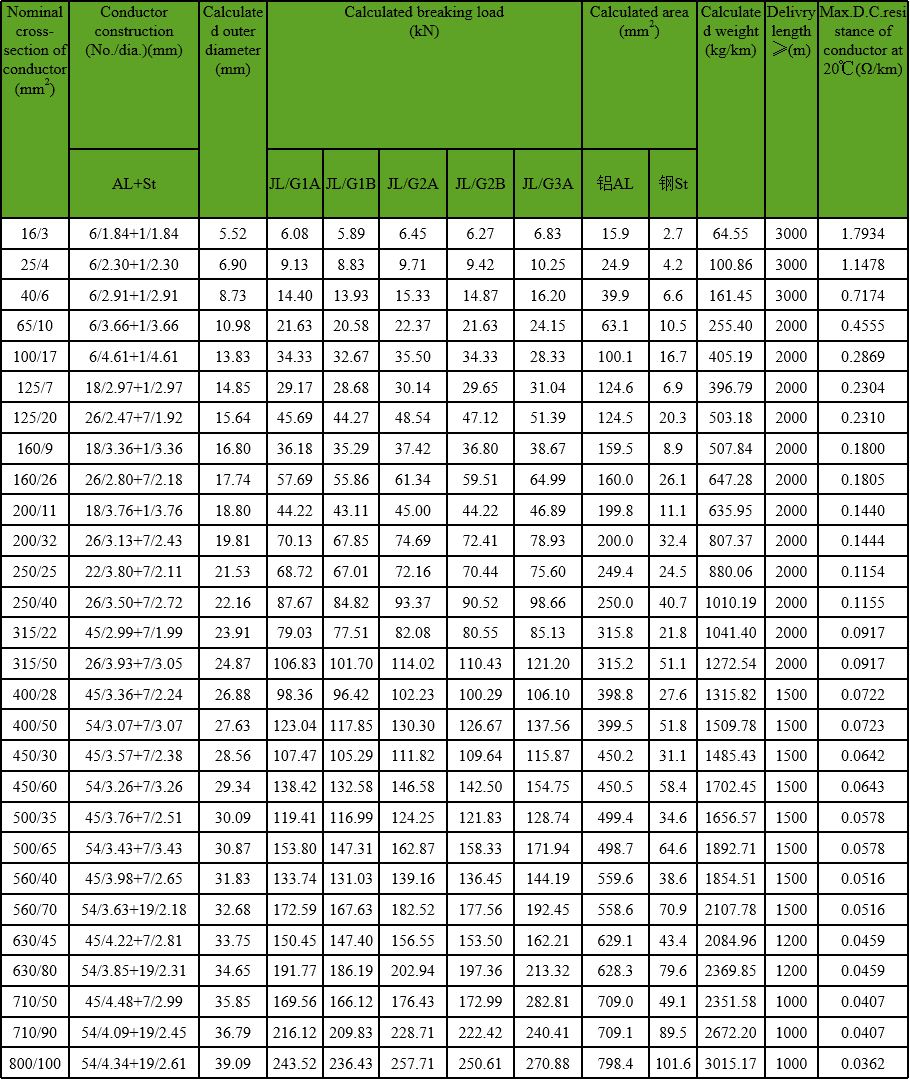
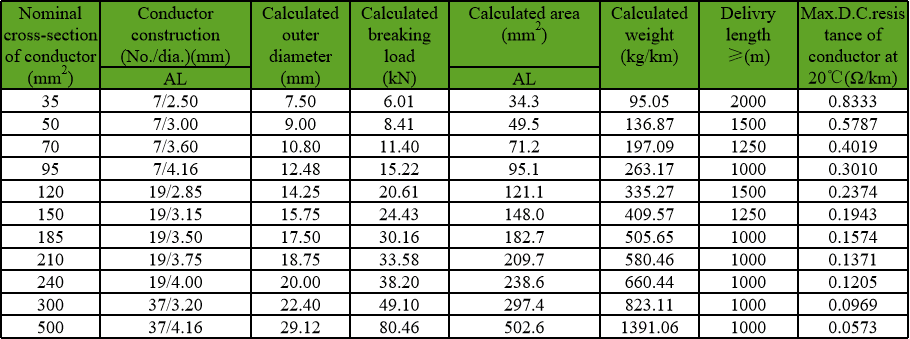
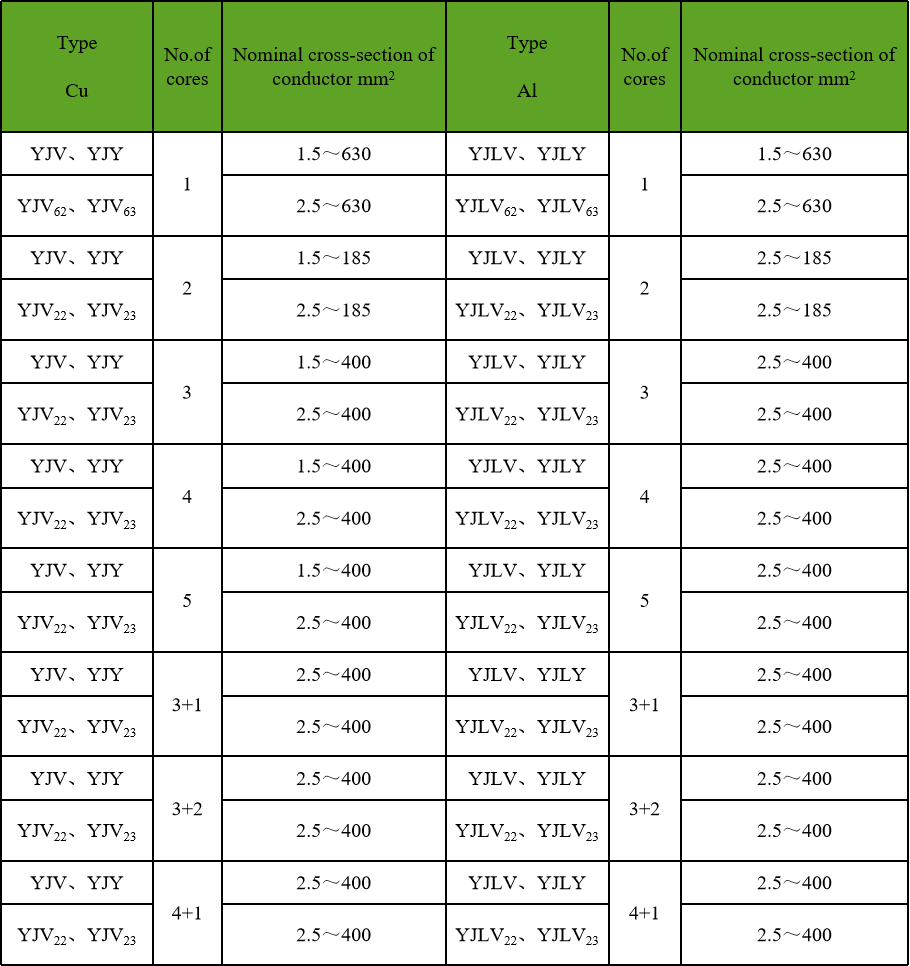
JINCHUAN Cable supplies cable for rectifier feeders and DC distribution, and can confirm the conductor, insulation and screening options a hydrogen plant route requires.
Review the cable range and the manufacturing profile, then send the waveform and the route so the construction suits both.
Count the DC conductors before fixing the route, because a hydrogen plot runs out of space before it runs out of current.
FAQ
Why is cabling a hydrogen plant different?
Because power electronics, gas handling and dense equipment layouts share a small plot, placing extra demands on sizing, routing and where joints are permitted.
What is a rectifier feeder?
It is the AC feeder supplying the rectifier that converts power for the electrolyser stacks, and it carries a current that is not a clean sine wave.
Does harmonic current affect the cable?
It does. Harmonic content raises the heating in conductors and can affect the neutral and screen more than the phases, so sizing has to reflect the actual waveform.
How is a DC bus arranged?
Usually as several parallel cables per polarity, which have to be of equal length and routed together so that the current divides as intended.
Why is there no natural current zero on DC?
Direct current does not cross zero twice per cycle, so interruption depends on the device rather than on a natural zero, which affects the switchgear more than the cable.
What is area classification?
It identifies where a flammable atmosphere may be present, and it determines whether a joint or an accessible termination may be located there.
Can joints be installed near the stacks?
Often not. Where classification applies, joints are usually placed outside the zone, which changes both the length and the route.
What ambient temperature should be used?
The temperature in the space the cable actually passes, including the effect of grouped conductors and nearby equipment, rather than a plant wide figure.
Which records matter most?
The as-built routes with conductor counts, parallel run lengths, termination torques, screening and bonding arrangements, and the classification boundaries applied.
How can JINCHUAN Cable support a hydrogen project?
JINCHUAN Cable confirms the construction, temperature limits and derating factors of the cable being supplied for the AC and DC routes of the plant.