A cable run in a seismic region is asked to do two contradictory things at once. It has to stay attached to the building, and it has to tolerate the building moving underneath it.
Designs fail at the second requirement far more often than the first. Restraints are usually generous, and the movement allowance around them is usually missing, because a detail that is hard to draw gets left to site.
The result is a run that survives the shaking and then fails when the structure settles back into a different position, with a stretched section of cable or a cracked support foot as the evidence.
Where Seismic Bracing Gives Way First
Damage after an event follows a small number of familiar patterns, and all of them are visible in the design stage.
The first support either side of a building joint
Two frames moving differently put the full displacement into whatever crosses between them, and a rigidly clamped cable absorbs all of it.
A long straight run with no movement joint
Continuous restraint converts a small relative displacement into an axial load that the jacket and the support feet were never sized for.
A tray that has no lateral restraint
Vertical load is restrained by gravity, and horizontal movement is not, so the tray walks off its brackets as the frame accelerates.
Cable entering a rigid cubicle
Switchgear that is bolted down and cable that arrives from a moving structure meet at the least flexible point on the whole route.
Wall and floor penetrations sealed solid
A seal that fills the opening completely also transmits movement, and the cable takes the load instead of the sleeve.
Seismic bracing is the set of restraints and clearances that keeps a cable run attached to the structure while allowing the small movements the building itself will make.
What an Earthquake Asks of Seismic Bracing
Ground motion reaches the cable through the structure. The building does not translate as a single block; the base moves, the mass above lags, and different parts of the frame move out of step with each other.
That produces two quite different demands. One is inertial, as the mass of tray, cable and fittings resists the acceleration of the frame it is bolted to. The other is displacement, where the two ends of a run are forced apart.
Strength matters for the first demand. Geometry and clearance matter far more for the second, and it is the second that produces the long, untidy failures that are expensive to repair.
A short, stiff event also behaves differently from a static load. A cable that carries a permanent load comfortably may still be shaken hard enough to break a fitting, because the peak arrives and reverses in well under a second.
Support spacing chosen for static load is not enough on its own, because a dynamic load arrives with a different shape and a much shorter duration.
Support Types and How They Behave
The common support details differ in how much movement they allow, and the mix across a route is what makes it survive.
| Support detail | Movement allowed | Where it belongs |
|---|---|---|
| Fixed clamp to a bracket | None | Short runs inside one rigid frame |
| Sliding saddle on a channel | Axial along the route | Long straight runs between fixed points |
| Bracket with slotted holes | Small movement in one plane | Trays crossing a flexible floor |
| Tray hanger with some swing | Lateral and axial | Ceiling routes inside a frame |
| Flexible coupling after a joint | Axial and slight rotation | Approach to a rigid cubicle |
Used together, these details let the route articulate instead of acting as one long lever.
A tray restraint that is rigid in every direction transfers the movement straight into the cable, which is the opposite of what the design intends.
Details That Decide a Seismic Bracing Outcome
Small decisions in the specification do most of the work in a seismic region.
- Whether the load case is stated at all, rather than assumed to be covered by good practice.
- How support spacing changes when a tray carries cable in a seismic load rather than a static one.
- Whether the cable is cleated to spread the axial load instead of concentrated at one clamp.
- How much cable is left at each end of a route for the movement that will occur there.
- Whether the penetration seal accommodates movement or locks the cable into the wall.
Each of these can be settled on paper, and none of them can be added convincingly after the trays are up.
Anchor bolts carry the load path into the structure, and their size is decided by the building frame rather than by the cable weight.
A Switchroom That Held and a Run That Did Not
Situation: A substation building in an active seismic zone came through a moderate event with its structure and equipment intact, while the outgoing feeder tray lost three brackets and one length of cable was pulled tight against a cubicle.
Finding: The supports had been installed to a spacing table taken from the static design. The tray crossed a building joint with no movement allowance, and the cable entered the switchgear through a solidly sealed wall opening.
Decision: The repair replaced the failed brackets, introduced sliding saddles along the affected run and rebuilt the wall opening around a sleeve that allows relative movement.
Result: The cost of the repair was dominated by access, shutdown and testing rather than by hardware, and the revised detail was adopted for every similar crossing on the site.
The value of the arrangement is only visible after an event, which is why the as-built record matters as much as the hardware.
Crossing a Building Joint
The same crossing can be detailed in three ways, with very different consequences.
| Detail | Behaviour during movement | Residual risk |
|---|---|---|
| Tray continues, rigidly clamped | Movement goes straight into the cable | Jacket damage and support failure |
| Tray continues on sliding supports | Movement is absorbed along the run | Needs clearances to be maintained on site |
| Break with a flexible connection | Movement is taken by a designed component | Depends on the correct component being fitted |
The second and third both work, and both require the clearance to be written down rather than estimated.
Who Owns the Seismic Bracing Load Case
The cable supplier can state mass, minimum bend radius and the mechanical limits of the jacket. The load case itself belongs to the structure and to the party responsible for the building.
Difficulties start when neither side believes the other has it. The cable arrives sized for electrical duty, the trays are installed to a generic spacing table, and the seismic demand appears late, usually as a comment on a drawing.
Raising the question at enquiry stage costs nothing. It produces a written assumption about who is carrying the demand, and assumptions written down tend to be checked.
Where the project has a defined seismic load case, passing it to the cable supplier with the route is enough to confirm which limits on the data sheet are the ones that matter.
What to Fix in a Seismic Bracing Specification
Four lines in a specification remove most of the ambiguity from a seismic route.
State the movement assumption
Even a simple relative displacement between two supports gives the installer something to design against.
Name the acceptable support details
A list of permitted fixing types is more effective than a general instruction to allow for movement.
Give the clearance at penetrations
The opening size, the sleeve and the seal behaviour all have to be described together.
Require the as-built route
Movement details that are not recorded are invisible to the next person who works on the building.
After an Event
The inspection that follows an earthquake is quick when the route was recorded and slow when it was not.
- Look for stretched cable and displaced clamps before looking for electrical faults.
- Check the first supports on each side of a building joint first.
- Photograph the support feet and the penetration seals before anything is moved.
- Compare what is found against the as-built arrangement rather than against a memory of the design.
- Record the changes and reissue the drawing while the evidence is still on site.
A route that is inspected with its own drawings in hand is assessed in an afternoon; one without them is assessed by excavation.
Why the Seismic Bracing Record Carries the Design
Seismic provision is invisible in normal service, which is exactly why it gets modified without discussion during construction when a bracket does not fit.
The as-built drawing is the only place where the movement allowance survives a site team change, a later cable pull or a maintenance alteration.
Keeping the cable data with that record closes the loop. Bend radius, mass and pulling limits belong beside the support details, because they are the figures a future change will need.
RFQ Inputs for Seismic Routes
These points let seismic bracing and the cable data be checked against each other before the trays are ordered.
- the seismic load case or the assumed relative movement
- the route with support positions and building joints marked
- the expected support and restraint types
- the cable mass, diameter and minimum bend radius required
- the clearance and sealing expected at penetrations
- the cable lengths reserved for movement at each end
- the inspection and test records required after installation
- the as-built information the owner expects to receive
Technical references such as IEC 60502, IEC 60228 and IEC 60332 can align cable construction and test terminology. The approved project specification, applicable local rules and qualified design authority still govern the final system decision.
JINCHUAN Cable Support for runs in seismic regions
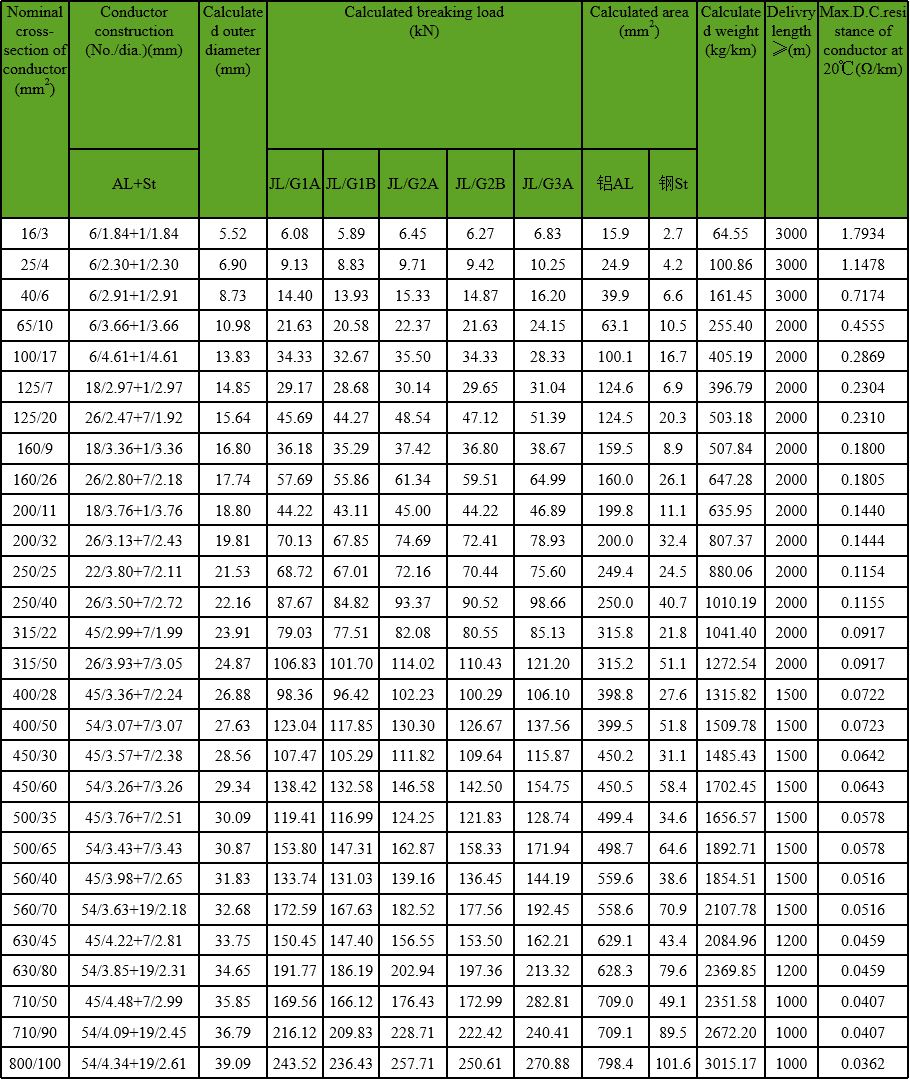
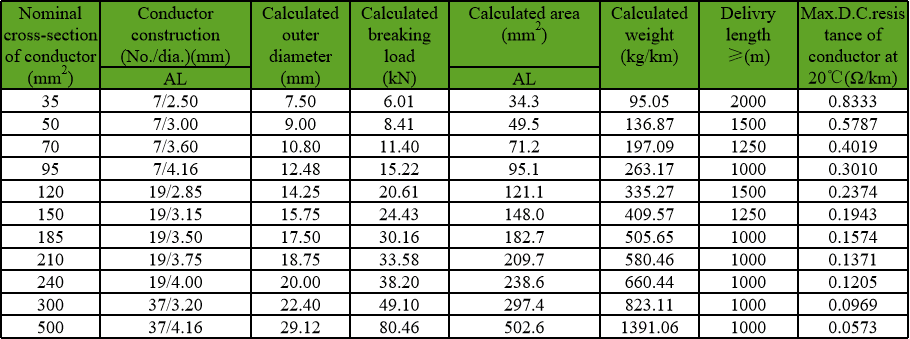
JINCHUAN Cable supplies the mass, diameter and bend limits that a seismic assessment needs, and can confirm the mechanical properties of the jacket and sheath in the construction ordered.
Review the cable range and the manufacturing profile, then send the route and the load case so both can be checked together.
Put the movement allowance on the drawing before the trays are installed, because seismic provision that was never drawn is never built.
FAQ
What is seismic bracing for cables?
It is the combination of restraints, clearances and flexible details that keeps a cable run attached to the structure while allowing the movement the structure itself will make.
Is it only about strength?
No. Strength covers the inertial demand, while geometry and clearance cover the displacement between two parts of a building, which is usually the harder requirement.
How does support spacing change?
A seismic load case generally calls for closer or heavier supports than a static assessment, and the figure comes from the structural load case rather than from a generic table.
What happens at a building joint?
Movement there is greatest, so the run is either detailed to slide, broken with a flexible connection, or given a defined clearance.
Should the cable be allowed to move?
Small controlled movement is preferable to rigid restraint, because a clamped run converts displacement directly into tension on the jacket and the supports.
Who provides the load case?
The structural engineer or the party responsible for the building. The cable supplier provides the mass, diameter and bend limits that feed into it.
Does the cable construction matter?
It does, because diameter, mass and minimum bend radius set what the route can tolerate and how tight the clearances can be.
What is inspected after an earthquake?
Stretched cable, displaced clamps, cracked support feet and damaged penetration seals, starting at building joints and at entries to rigid equipment.
Why keep an as-built route?
Because seismic provision is invisible in daily operation and is the first detail to be lost when a bracket is modified during construction or maintenance.
How can JINCHUAN Cable support a seismic design?
JINCHUAN Cable supplies the mechanical data the load case needs and can confirm how the jacket and sheath behave under the movement being allowed.