
A cable joint kit can be genuine, in date and correctly sized, yet the work can still be exposed to moisture at the moment insulation and stress-control surfaces are prepared. Cable jointing humidity control turns that hidden condition into a visible work rule by linking weather, enclosure, surface temperature, dew point, storage and stop authority.
The exact limits depend on the accessory instructions, approved method, cable system and site safety procedure. The buyer should not ask a supplier for one universal humidity number. Instead, the RFQ should define the environment to be controlled, the records to be retained and the person who accepts a restart after an interruption.
This guide follows an MV repair from kit receipt to final test. It focuses on moisture pathways and evidence boundaries so a cable manufacturer, jointing specialist, quality team and owner can compare the same scope.
Open the Jointing Plan With Weather and Surface Data
A tent or container is a work area, not proof that the cable environment is ready.
Record outdoor conditions
Log temperature, relative humidity, rain, wind, dust and the time of each reading. Weather can change during a shift and the jointing team needs a time-linked record.
Measure the enclosure
Check the controlled space, air movement, dehumidification, cleanliness and the location of the cable ends. A dry room elsewhere on site does not describe the jointing area.
Compare surface temperature and dew point
Use the approved instrument and procedure to determine whether cable, screens, semiconductive layers or accessories are at risk of condensation before preparation.
Set the stop and restart rule
Name the jointing supervisor and quality authority who can pause work, protect prepared surfaces, remeasure conditions and approve the restart or a fresh preparation step.
Cable jointing humidity control should begin before the kit is opened, with weather, enclosure, surface and accessory conditions recorded.
The Tent Was Dry Until the Cable Came In
Situation: A jointing crew prepares a weather tent beside a trench. The air reading looks acceptable, but the cable ends arrive from a cooler, damp chamber and the metal screen and jacket feel cold to the touch.
Finding: The team has controlled the tent air but not the cable surface. The dew-point margin changes when the cable enters, and the joint kit has been opened before the new condition is recorded.
Decision: The supervisor pauses preparation, protects the exposed components, measures cable and enclosure surfaces under the approved method and extends conditioning time before authorizing the next step.
Result: The jointing record explains the delay and the actual readiness condition. Moisture control becomes evidence tied to the cable section rather than a general statement that the tent was closed.
The cable jointing humidity control plan must state who measures dew point, who can stop the work and which reading governs restart.
Moisture-Critical Fields for an MV Joint Record
Keep the environmental record beside the accessory and cable identities so a later reviewer can reconstruct the work.
| Record group | Minimum information | Why it matters |
|---|---|---|
| Cable identity | Feeder, section, cable ends, joint number and route | Connects conditions with the exact installed joint |
| Accessory identity | Kit, size, batch, expiry, storage condition and instructions | Confirms the prepared materials are traceable |
| Environment | Air temperature, RH, surface temperature, dew point and time | Shows whether condensation risk was assessed |
| Work enclosure | Tent or room, drying equipment, cleanliness and access | Describes the controlled boundary |
| Interruptions | Stop time, exposed stage, protection, recheck and restart authority | Prevents a pause from becoming an undocumented risk |
| Final closure | Installer, witness, photos, tests, deviations and release | Connects preparation with acceptance |
Do not compress several joints into one weather log if the work times and conditions differ.
Use cable jointing humidity control to connect storage, preparation, sealing, test and handover evidence for the same cable section.
Storage Is Part of the Moisture Path
Cable jointing humidity control begins when the accessory kit reaches the project, not when the installer unpacks it. Storage temperature swings, damaged cartons, opened bags, condensation, wet trench walls and unsealed cable ends can all change the condition that the jointing method assumes.
The purchasing package should state storage limits, inspection on receipt, shelf-life or expiry controls, replacement responsibility and the evidence needed if packaging is compromised. A jointing specialist may own the field method, but the supplier and logistics chain still influence whether the kit arrives ready for that method.
For a repair, preserve the failed joint and adjacent cable evidence under the incident procedure. Moisture seen during dismantling can help explain the fault, but it should not be confused with the controlled conditions used to build the replacement joint.
A cable jointing humidity control record is valuable after a repair because it explains whether moisture was present before the joint was closed.
Moisture Shortcuts That Create Long-Term Questions
These habits make a workfront appear faster while weakening the acceptance record.
- The crew records room humidity but never measures the cable surface or metal components.
- A dehumidifier runs outside the stated range and its performance is assumed without a log.
- The kit is opened early to save time, leaving prepared parts exposed while another task is completed.
- A rain interruption is recorded as a delay but not as a changed surface condition or restart decision.
- Wet trench walls or standing water are treated as civil issues even though they affect the jointing enclosure.
- The final dossier includes a pass test but omits the environmental and interruption records behind the preparation.
The objective is a controlled, repeatable preparation condition, not a favorable number copied from a nearby sensor.
Include cable jointing humidity control equipment, enclosure time, consumables, inspection and document responsibilities in the quotation.
Compare Three Jointing Environment Approaches
The right arrangement depends on the route, weather exposure, work duration, accessory method and consequence of a failed joint.
| Approach | How it works | Best fit | Evidence to retain |
|---|---|---|---|
| Weather tent with active drying | Local enclosure around cable ends and joint | Outdoor repair or accessible trench | Air and surface readings, equipment log, photos |
| Temporary jointing container | Controlled room with stable access and utilities | Long work, multiple joints or severe weather | Room condition, entry log, instrument records |
| Permanent dry joint bay | Designed space with drainage, ventilation and service access | Critical route or repeated maintenance | Bay design, commissioning and maintenance plan |
| Deferred jointing with protected ends | Cable ends sealed and work rescheduled | Conditions cannot be brought within the approved method | End protection, storage, date and restart release |
A deferred joint is often safer than a rushed joint, provided the cable ends and the rescheduling responsibility are controlled.
The Joint Kit Expired During a Weather Hold
Situation: A storm stops an MV joint halfway through preparation. The crew secures the area and returns several days later, but the kit's open-time and storage history are unclear.
Finding: The project can no longer prove that every consumable remains within the accessory instructions. The cable ends are protected, but the original work record does not identify which parts were opened or exposed.
Decision: The owner treats the partially used kit as an exception, verifies accessory instructions, replaces uncertain consumables, rechecks cable-end condition and issues a new environmental and work release.
Result: The restart is slower than the original plan but the final joint has a defensible accessory and moisture record instead of a hidden shelf-life assumption.
Close Environmental Hold Points Before Testing
Electrical test results are important, but they do not replace evidence that the joint was built under its approved preparation conditions.
Confirm preparation completion
The installer and witness should identify the cable section, joint stage, photos and environmental records before covers, stress-control parts or seals hide the work.
Review interruption history
Any pause should show what was exposed, how it was protected, how conditions changed and who approved the restart. Missing entries remain open items.
Verify closure and sealing
Check the approved sequence for moisture barriers, screens, earth connections, mechanical protection and enclosure drainage before final tests.
Link tests to the joint
Record test method, instrument, date, joint number, cable ends, result, deviation and acceptance authority in one searchable file.
What Buyers Should Ask the Jointing Specialist
The technical conversation should reveal the work boundary before the accessory package is priced.
- Which environmental variables are measured, with which instrument, at what locations and under what approved procedure?
- Who supplies and operates the enclosure, drying equipment, lighting, clean surfaces and cable-end protection?
- What happens when the reading moves outside the method limit or a weather interruption occurs?
- How are kit batch, expiry, storage, opened-pack condition and replacement consumables recorded?
- Which stages are witnessed, photographed or held before the joint is closed and the bay is released?
- How are failed-joint evidence, repair changes, as-built updates and future maintenance records handed over?
A supplier response is more useful when it answers who, where, when and with what record, not only which kit size is proposed.
Treat the Joint as a Moisture-Controlled Asset
A finished joint should remain identifiable after the enclosure is removed and the trench or bay returns to service. Keep joint number, cable ends, route, accessory batch, installer, environmental log, photos, tests, deviations and release authority together in the project document system.
The maintenance plan should state which visual or environmental checks matter after flooding, civil work, cable movement or enclosure opening. A repair record that contains only a test pass cannot explain whether the original moisture pathway was corrected.
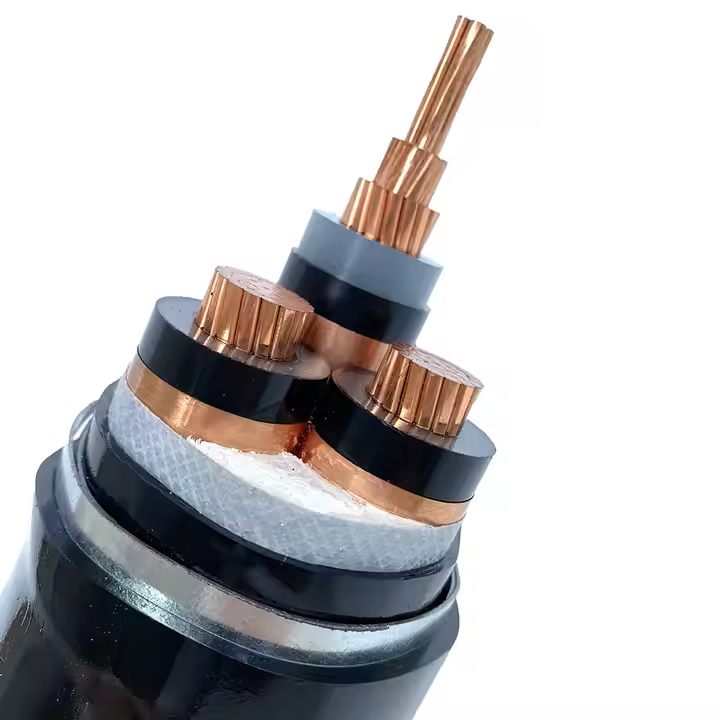
JINCHUAN Cable can clarify cable construction, dimensions, screen or armor details and associated factory evidence. Jointing workmanship, site conditions, testing and acceptance should remain assigned to the qualified installation and owner teams.
RFQ Inputs for a Moisture-Controlled MV Joint
Describe the cable, accessory, enclosure and evidence boundary so bidders do not price different jointing conditions. Confirm cable jointing humidity control in the RFQ.
- cable voltage, construction, screen, armor, diameter and route identity
- joint location, trench or bay condition, access and weather exposure
- approved accessory, kit size, storage, expiry and replacement requirements
- humidity, surface temperature, dew point, enclosure and drying method
- installer qualifications, supervision, stop rules and restart authority
- joint preparation, sealing, earthing, mechanical protection and drainage
- inspection, photos, electrical tests, deviations and dossier format
- repair investigation, temporary condition and maintenance handover
Technical references such as IEC 60502, IEC 60228 and IEC 60332 can align cable construction and test terminology. The approved project specification, applicable local rules and qualified design authority still govern the final system decision.
JINCHUAN Cable Support for medium-voltage cable joints and repair work
JINCHUAN Cable can provide ordered cable construction, screen or armor information, finished dimensions and drum or section identity for a jointing package. Those inputs help the buyer's qualified jointing team align the accessory and environmental method with the actual cable.
Review JINCHUAN Cable product information and company background, then send the joint schedule and required evidence for a project-specific response.
Agree the environmental variables, enclosure boundary, stop authority and evidence index before the accessory kit is shipped to site. Keep cable jointing humidity control in the release record.
FAQ
Why is humidity important during cable jointing?
Moisture or condensation on prepared cable and accessory surfaces can affect the approved jointing process. The project method should define measured conditions and stop rules.
Is room relative humidity enough?
Not always. Cable and component surface temperature, dew point, enclosure condition and the specific accessory instructions may also govern readiness.
Who sets the humidity limit?
The applicable accessory instructions and approved project method should set the acceptance basis. The qualified site authority controls final release.
What should happen after rain interrupts work?
Protect exposed parts, record the interruption and conditions, remeasure under the approved method, inspect the affected stage and obtain restart authorization.
How should joint kits be stored?
Follow the manufacturer's storage and shelf-life instructions, inspect packaging, preserve batch identity and replace uncertain or compromised consumables.
Can a dry tent guarantee a good joint?
No. A tent is one control. Cable surfaces, cleanliness, preparation, sealing, workmanship, testing and route condition also require review.
Should a failed joint be rebuilt with the same kit?
Only after the responsible investigation and accessory instructions confirm the kit, cable construction, failure cause and repair method remain suitable.
What records belong in the joint dossier?
Keep cable and joint identity, accessory batch, environmental readings, interruptions, photos, installer, tests, deviations and acceptance together.
Which references can support the cable specification?
IEC cable and conductor references can align product terminology, while the accessory instructions, installation rules and approved project method govern the joint.
How can JINCHUAN Cable assist?
JINCHUAN Cable can clarify cable construction, dimensions, screen or armor details and product records for the buyer's qualified jointing and commissioning teams.