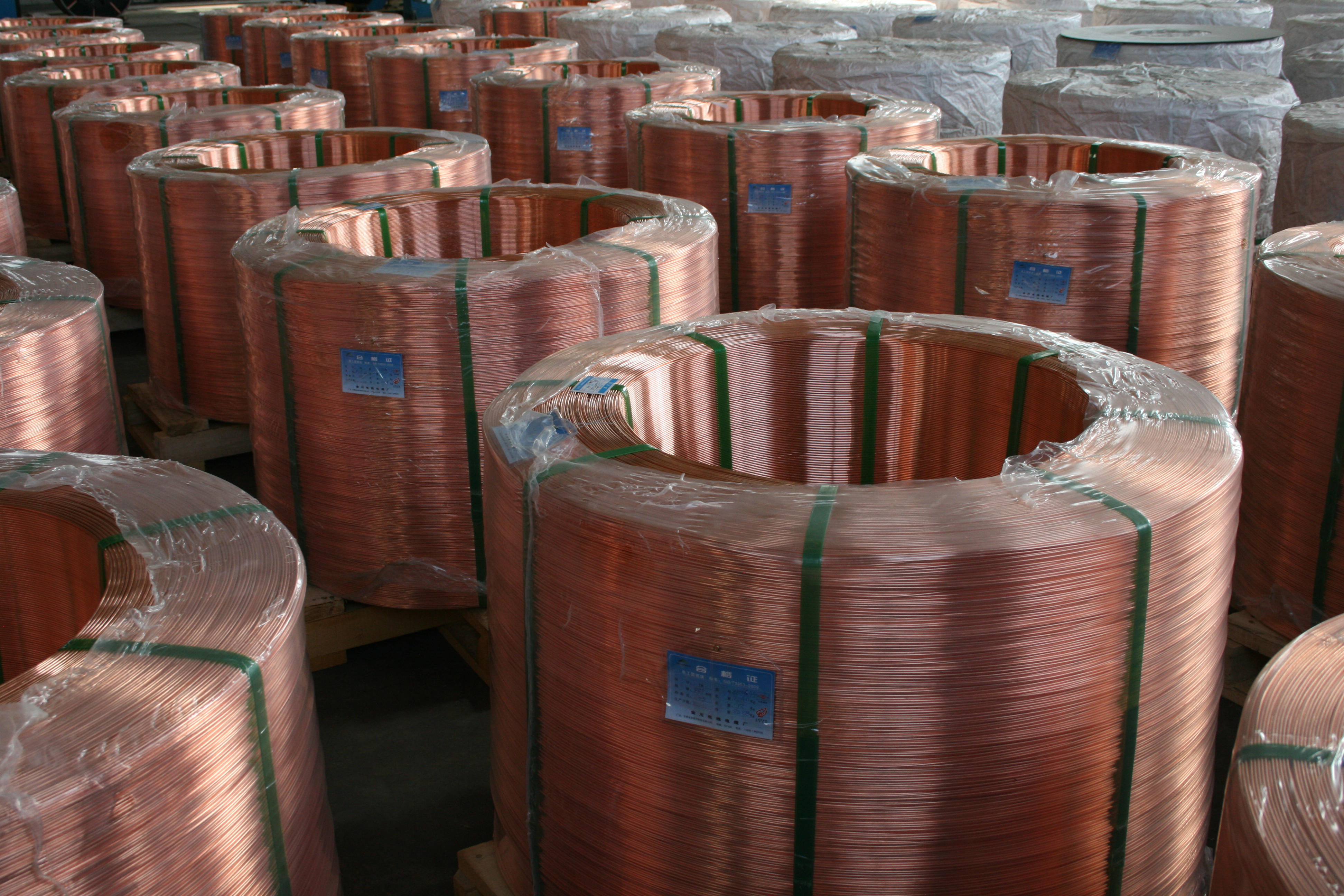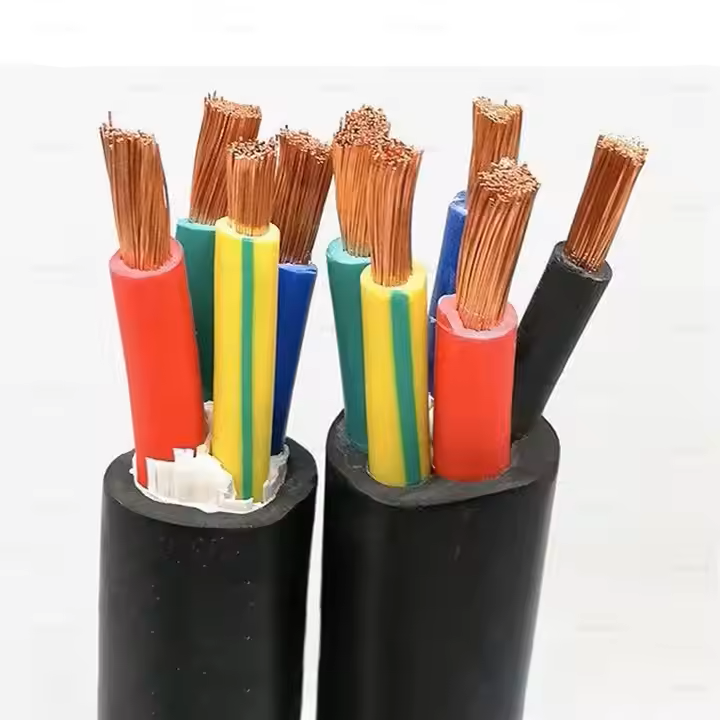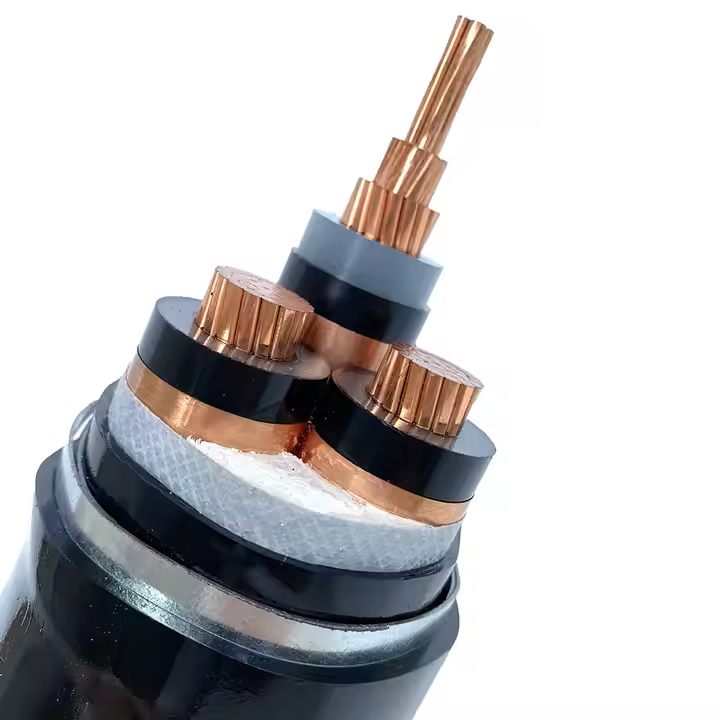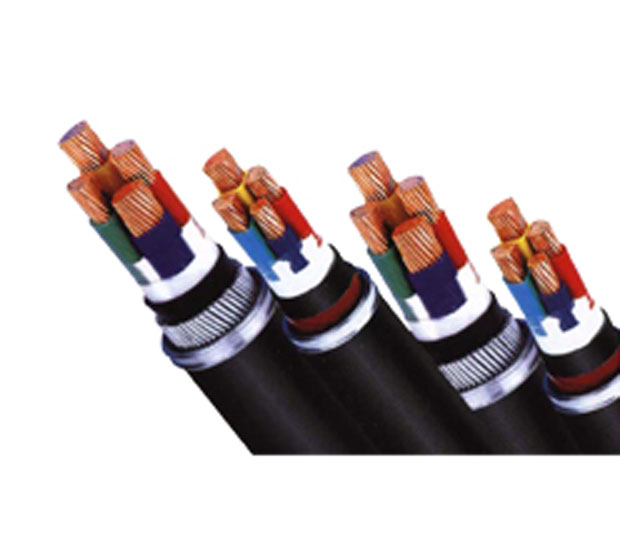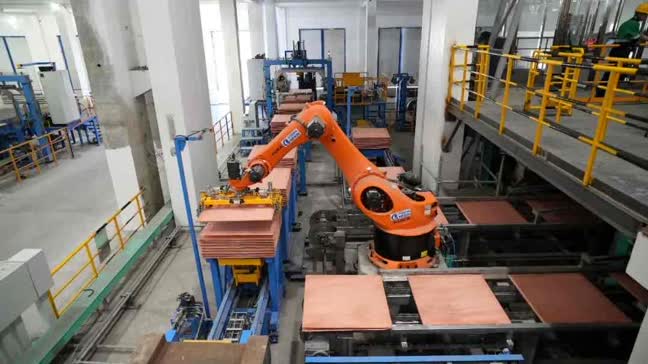

A conductor can carry the right label and still be the wrong material, class or production lot for the approved cable schedule. Power cable conductor verification gives purchasing and quality teams a practical way to confirm what entered production, how it was tested and which delivered drums it represents.
The check is broader than copper versus aluminum. Strand construction, cross-section, resistance, surface condition, joints in the manufacturing route and raw-material traceability can all affect installation and performance. A certificate is useful evidence, but the buyer should understand its scope and the point at which receiving or third-party sampling becomes necessary.
This guide follows the material from RFQ to extrusion, final test and receiving. It helps teams define sampling, substitution control, nonconformance handling and a document trail that remains useful when a repeat order arrives years later.
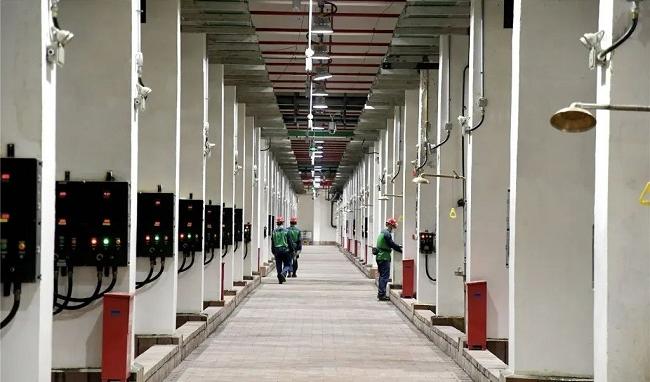
The Certificate Named the Material but Not the Delivered Lot
Situation: A cable shipment arrives with a certificate stating copper conductor compliance. The drum labels match the purchase order, but the certificate covers a production week containing several sizes and no clear link to the delivered lengths.
Finding: The document may be genuine, yet the buyer cannot show which material lot or conductor test belongs to the received drums. A later resistance question would require assumptions about production sequence.
Decision: Receiving places the affected drums on controlled hold, requests the lot-to-drum link, checks the approved sampling plan and records any additional verification under the quality procedure before release.
Result: The cable is accepted against traceable evidence, and the supplier's document package is improved for future deliveries instead of relying on a broad certificate title.
Power cable conductor verification should connect material, class, cross-section, strand pattern, resistance and batch identity before production release.
What the Conductor Check Should Actually Cover
A useful material review joins physical identity with measurable properties and production responsibility.
- Material identity, electrical grade, temper or class and the approved conductor description.
- Nominal cross-section, strand count or construction, lay or compacting basis and finished dimensions.
- DC resistance method, temperature basis, instrument information, units and acceptance criterion.
- Surface, burr, contamination, damage and preparation controls before insulation or sheath processes.
- Raw-material heat, rod, batch, process lot, drum, sample and certificate references.
- Substitution, deviation, retest, hold, release and approval responsibility when a result differs.
The required scope follows the approved specification and risk. Do not add a test merely because it sounds authoritative, and do not omit identity because a report looks complete.
Use power cable conductor verification to separate a supplier certificate from the buyer's receiving and sampling responsibility.
Confirm Identity at Four Handoffs
Traceability weakens when a material record changes systems or teams. Keep the same identifiers across each handoff.
RFQ to order
Carry material, class, size, standard, test scope and substitution rules into the released purchase document. A supplier should not infer a conductor basis from a product nickname.
Raw material to process
Link rod or billet information to the conductor process lot and retain the responsible production records under the quality system.
Process to drum
Connect conductor lot, cable construction, length, drum, test report and marking. This is the bridge between factory evidence and receiving.
Receiving to installation
Preserve the drum and cable identity when lengths are cut, jointed, moved or installed. A material record that stops at the warehouse cannot support a field investigation.
A power cable conductor verification record is stronger when raw material, process lot, drum and test method remain traceable together.
Evidence Matrix for Conductor Verification
Use an evidence matrix to show what is checked by the manufacturer, buyer, laboratory or installation team.
| Property or record | Typical evidence | Scope question |
|---|---|---|
| Material and class | Certificate, declaration or approved material record | Is the document tied to the ordered construction and lot? |
| Cross-section and stranding | Dimensional or construction record | Does it match the schedule and applicable conductor reference? |
| DC resistance | Routine test report with temperature and method | Can the value be compared on a stated basis? |
| Surface condition | In-process inspection or sample report | Was the conductor suitable for the next manufacturing step? |
| Traceability | Heat, rod, process lot, drum and sample links | Can a question be narrowed to a physical length? |
| Deviation control | Nonconformance, retest and approval record | Who accepted the difference and under what authority? |
An evidence matrix keeps routine, sample, type and project-specific checks from being presented as though they prove the same thing.
Review power cable conductor verification after an approved substitution, split delivery, repair or repeat order changes the material basis.
Sampling Is a Decision, Not a Shortcut
Sampling can be appropriate when the approved quality plan defines the population, selection method, property, laboratory or instrument, acceptance basis and action for a failure. It should not be used to make a mixed or untraceable lot appear uniform. The project authority decides how much evidence is needed for its risk.
For a repeat order, compare the previous construction with the current schedule. A supplier may use the same product family while changing conductor class, compacting, alloy, standard edition, factory line or accessory interface. Power cable conductor verification should reopen the changed input instead of assuming history is proof.
Keep raw data and the final disposition. A pass statement without readings, sample identity or method details is difficult to challenge or reproduce when a field resistance result raises a question months later.
Include power cable conductor verification, sampling, reports, hold points and deviation handling in the purchase specification.
Compare Three Verification Packages
Match the package to project consequence, traceability expectations and the cost of discovering a material mismatch later.
| Package | Evidence scope | Useful for | Limitation |
|---|---|---|---|
| Supplier certificate set | Material declaration and stated routine results | Early quotation or low-consequence repeat | May not link every drum or include buyer sampling |
| Lot-linked quality file | Material, process, construction, drums and reports connected | Defined project shipment | Requires controlled records and review time |
| Witnessed or independent verification | Agreed witness, samples, laboratory or raw-data review | Critical, regulated or disputed material | Adds planning, cost and laboratory coordination |
| Receiving confirmation | Buyer inspection and approved sample or test | High-change or split-delivery risk | Does not replace manufacturing process evidence |
The strongest package is the smallest one that answers the project's actual risk with traceable evidence.
Control Substitutions Before the Line Starts
A material substitution can be technically acceptable and still invalidate a quotation if it is not reviewed against interfaces and records.
Describe the proposed change
State original and substitute material, class, size, construction, standard, source, reason and affected cable items.
Check downstream effects
Review resistance, mass, diameter, flexibility, termination, crimping, jointing, marking, test scope and route assumptions.
Update the evidence plan
Define which certificates, samples, calculations, tests and approvals must be revised before production or shipment.
Protect partial deliveries
Keep changed and unchanged lots separate in marks, drums, documents and receiving status until the approved decision is closed.
Incoming Inspection Questions Buyers Often Miss
Receiving can protect the material record with a few disciplined checks before the drum enters storage or installation.
- Does the drum label connect cable size, construction, length, batch and certificate with the purchase item?
- Are cable ends sealed, drum flanges sound and marks readable after transport and unloading?
- Does the delivered construction match the released schedule, including material, class, screen, armor and sheath details?
- Are split lots, substitutes, concessions or open documents identified before the status is changed to accepted?
- Can a sample or repeat test be selected without losing the link to the exact drum and process record?
- Have storage and handling conditions preserved the evidence and the cable condition for the next team?
A receiving hold is useful when it has a clear release path. It becomes wasteful when nobody has defined which evidence closes it.
The Repeat Order Changed Strand Construction
Situation: A distributor repeats a successful power cable order but accepts a more flexible conductor construction offered under the same size and voltage description.
Finding: The change improves handling for one installation, yet the termination tools, accessory barrel, resistance record and customer specification were based on the previous construction.
Decision: The buyer opens a controlled technical clarification, confirms conductor and accessory compatibility, updates the document set and marks the revised lot separately from the earlier stock.
Result: The repeat order remains commercially useful without allowing a silent construction change to create installation or warranty uncertainty.
Keep Verification Useful Beyond the Factory Gate
The final power cable conductor verification file should connect approved material, class, construction, resistance, process lot, drum, delivery, receiving status and installation identity. That chain helps a maintenance or failure team narrow a question to the actual cable section instead of reopening the entire project history.
When a field measurement differs from the factory result, compare conductor material and temperature basis first, then review length, joints, terminations, instruments and circuit boundary. A disciplined traceability file supports the investigation without deciding the design on behalf of qualified engineers.
JINCHUAN Cable can provide construction information, manufacturing records, drum identity and agreed test documents. The buyer's quality plan should state which evidence is accepted, witnessed, sampled or verified at receiving and who approves a deviation.
RFQ Inputs for Conductor Material Verification
State the conductor basis and evidence scope before production so certificates and samples can be compared to the same requirement.
- material, electrical grade, class, size and applicable conductor reference
- strand, compacting, flexibility, surface and finished-dimension requirements
- resistance method, temperature basis, units, limits and raw-data expectations
- raw-material, process-lot, drum, sample and certificate traceability
- routine, sample, type, witness or independent verification scope
- substitution, nonconformance, retest, hold and approval workflow
- receiving inspection, storage, labels, split lots and delivery documents
- installation identity and records needed for future investigation
Technical references such as IEC 60502, IEC 60228 and IEC 60332 can align cable construction and test terminology. The approved project specification, applicable local rules and qualified design authority still govern the final system decision.
JINCHUAN Cable Support for power cable material and incoming-quality programs
JINCHUAN Cable can clarify conductor material, class, construction, dimensions, drum identity and agreed factory evidence for a buyer's quality plan. The response can distinguish product records from receiving tests and project acceptance responsibilities.
Review JINCHUAN Cable product information and company background, then send the released conductor specification and evidence matrix for a comparable quotation.
Freeze the conductor description, traceability chain, sampling basis and substitution path before the first production lot is released.
FAQ
What is power cable conductor verification?
It is the controlled confirmation of conductor material, class, size, construction, resistance, process identity and supporting records against the approved cable requirement.
Is copper or aluminum the only decision?
No. Class, stranding, compacting, dimensions, resistance, termination compatibility and traceability can also affect the cable system.
Can a supplier certificate prove every delivered drum?
Only when its scope and lot links show that it represents the ordered construction and delivered lengths. A broad certificate may need additional traceability.
When is sampling useful?
Sampling is useful when the approved quality plan defines the population, selection, method, acceptance basis and action if a sample fails.
What should receiving inspect?
Check identity, marks, construction, drum and cable condition, certificate links, open deviations, seals, length and storage status before acceptance.
How should substitutions be controlled?
Compare original and proposed material, downstream interfaces, tests and records, then obtain the named approval before production or shipment.
Why retain raw resistance data?
Raw values, temperature, method and instrument details help a later reviewer compare factory and field results on a known basis.
Does receiving testing replace factory records?
No. Receiving checks and factory process evidence answer different questions and should be linked rather than treated as interchangeable.
Which standards can support conductor terminology?
IEC 60228 and related cable standards can align conductor language, while the approved project specification and quality plan set the final requirement.
How can JINCHUAN Cable help?
JINCHUAN Cable can provide conductor construction data, drum identity and agreed manufacturing evidence for the buyer's verification and acceptance process.