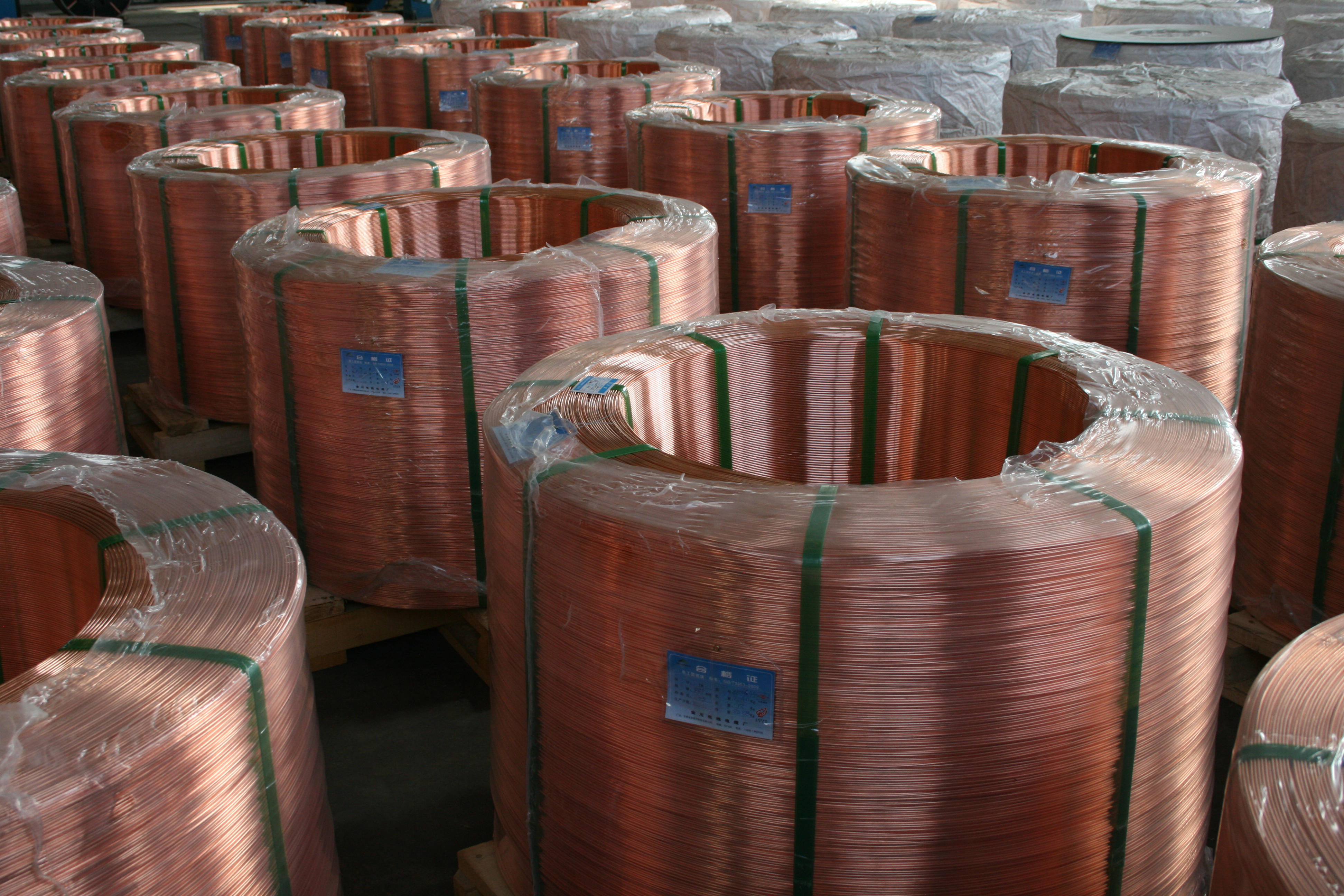
A cable can leave the factory in perfect condition and arrive with a wet end, damaged flange or unreadable mark after ocean freight and port handling. Export power cable packaging is therefore part of cable quality and traceability, not a cosmetic line in the logistics budget.
The packaging decision follows drum size, cable construction, end sealing, route length, climate, transport mode, lifting method and destination storage. A buyer needs to know which controls protect the cable, which documents prove the condition at dispatch and which party owns a claim when damage is discovered.
This guide follows the drum from packing release to receiving inspection. It focuses on practical shipping evidence, handling interfaces and commercial responsibility so suppliers and project teams can compare a complete delivered package.
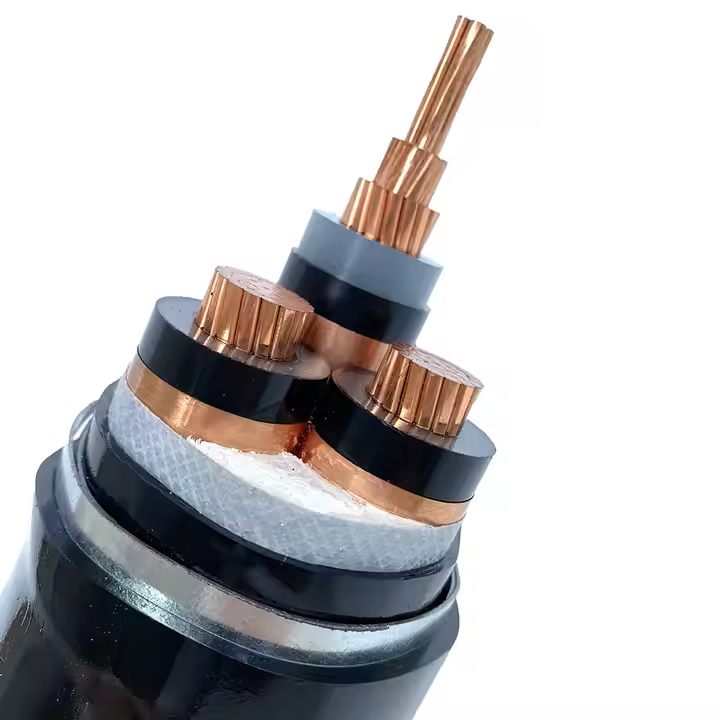
Protect the Cable at the Drum, Not With a Disclaimer
A shipping plan should show how the cable and drum will survive foreseeable handling, weather and storage events.
- Seal cable ends with a method suited to the construction, storage duration and transport exposure.
- Protect the cable surface and drum flanges from forklift contact, chains, impact, rolling and water pooling.
- Orient the drum for payout and mark rolling direction, lifting points, gross mass, dimensions and centre of gravity where needed.
- Use moisture barriers, desiccant or outer covers only as specified for the cable, climate and shipment duration.
- Keep drum, cable, batch, length, destination, circuit and document identities visible after wrapping or container loading.
- Photograph critical packing stages and seal condition before dispatch while the responsible team can still correct them.
Packaging controls should match the actual risk. More wrapping is not automatically better if it traps water, hides marks or prevents inspection.
Export power cable packaging should protect cable ends, drum structure, moisture barrier, marks and lifting points through the complete logistics route.
The Drum Was Dry at Dispatch and Wet at Receiving
Situation: A project receives a cable drum after a long sea route. The outer cover is intact, but the lower flange shows standing water and one end seal has loosened under temperature changes.
Finding: Dispatch photographs prove the original packing condition, while the arrival inspection identifies a transport or storage event. Without time, seal and handling records, the parties would argue about whether the cable was shipped damaged.
Decision: Receiving places the drum on hold, records the condition before opening, notifies the responsible logistics and quality owners, inspects the end and cable under the approved procedure and preserves the claim evidence.
Result: The project separates packaging damage from product manufacture, protects the cable from premature installation and improves the packing method for later shipments.
Review export power cable packaging against ocean freight, port handling, destination storage, unloading equipment and the actual cable construction.
Export Drum Packing Checklist
Use one checklist at factory release and repeat the relevant fields at destination receiving.
| Item | Dispatch check | Receiving check |
|---|---|---|
| Drum structure | Flanges, battens, fasteners and markings sound | No impact, collapse, splitting or handling damage |
| Cable ends | Approved seals fitted and photographed | Seal intact, dry and linked to the drum record |
| Outer protection | Cover, barrier, drainage and fastening complete | No pooling, tear, puncture or trapped-water concern |
| Identity | Drum, cable, batch, length and destination visible | Marks match packing list and receiving schedule |
| Handling data | Mass, dimensions, centre, lift and roll marks shown | Unloading equipment and method suitable |
| Documents | Packing photos, certificates and transport file released | Records retained with condition report and claim |
Record a condition before removing covers. Once packaging is discarded, the project may lose evidence of how the drum arrived.
An export power cable packaging record should connect drum identity, packing photographs, seal condition, transport documents and receiving inspection.
Align Packaging With the Logistics Route
Each transfer can create a different risk, so the packing plan should follow the actual chain of custody.
Factory loading
Confirm drum orientation, lifting equipment, chocks, vehicle restraint, weather exposure and document handoff before the truck leaves.
Port and container
Review blocking, lashing, ventilation, stacking limits, salt or rain exposure and any inspection or seal requirements at the terminal.
Ocean and inland freight
State transport responsibility, insurance, expected climate, route duration and controls for delay, transshipment or container opening.
Destination handling
Verify gate, crane or forklift capacity, laydown surface, storage cover, rolling direction and transfer to the installation workfront.
Use export power cable packaging controls to separate shipping damage from manufacturing or installation issues when a drum arrives at site.
Moisture Protection Has a Beginning and an End
A moisture barrier cannot compensate for an unsealed cable end or a drum stored on flooded ground. Export power cable packaging should state the protected boundary, the expected service duration of the barrier, inspection points and what happens when the outer cover is opened at port or site.
Destination storage deserves the same attention as shipping. Keep drums off standing water, protect cable ends, respect rolling and lifting instructions and preserve marks when covers are changed. If a drum is moved or opened, record the date, condition and responsible party before re-covering it.
The supplier can state product and packing information, but the project owner and logistics providers control the actual route, storage and receiving conditions. The RFQ should make those responsibilities visible so a wet arrival is handled as evidence rather than an argument.
Include export power cable packaging materials, fumigation or wood rules, insurance responsibility, inspection and claim evidence in the RFQ.
Compare Three Export Shipment Modes
Shipment mode changes packaging, handling, documents and delay exposure. Compare the delivered workfront, not only freight price.
| Mode | Useful when | Packaging focus | Risk to manage |
|---|---|---|---|
| Breakbulk or conventional vessel | Large drums or project cargo | Lifting points, weather cover and port handling plan | Open handling and weather exposure |
| Containerized shipment | Smaller drums or repeat lots | Blocking, lashing, ventilation and internal clearance | Condensation, access and weight distribution |
| Direct truck or short inland route | Regional delivery or final transfer | Restraint, road shock, cover and unloading | Gate, equipment and laydown constraints |
| Staged project delivery | Multiple destinations or installation phases | Lot identity, storage duration and document split | Misallocation or long storage before use |
The best mode depends on drum dimensions, destination capability, route climate, installation sequence and the cost of delay.
Make Receiving a Formal Quality Gate
Receiving should decide whether the drum is accepted, held, protected, tested or claimed before it enters the installation queue.
Inspect before unloading damage is hidden
Photograph truck, container, seal, drum, cover, flange and visible cable condition. Record time, weather, vehicle and receiving personnel.
Reconcile identity
Match drum, cable item, length, batch, destination, packing list, certificates and route package before changing status.
Control a wet or damaged arrival
Use the approved hold, drying, end inspection, test, repair or claim procedure. Do not install from a drum whose condition is unresolved.
Close the storage record
State final location, protection, orientation, inspection date, responsible owner and the condition required before installation release.
The Correct Drum Went to the Wrong Workfront
Situation: A staged shipment contains drums for two substations. The labels are readable on the wrapped flanges, but the delivery list groups them by truck rather than by installation section.
Finding: The site team places a long drum in the first available laydown area. Later, the planned payout direction and lifting path do not suit its intended route, creating rehandling and identification risk.
Decision: The owner pauses installation, reconciles drum-to-route allocation, updates the delivery register, repositions the drums with approved handling and records the revised workfront before opening the covers.
Result: The cable reaches the correct route with less rehandling, and the project retains a chain from export packing to installation section.
Export Documents That Help When a Claim Starts
A claim is easier to assess when condition, identity and custody have been recorded at each meaningful transfer.
- Packing list with drum, cable item, length, mass, dimensions, destination and document references.
- Dispatch photographs showing end seals, outer protection, marks, flange condition and loading restraint.
- Transport, container, seal, port, transshipment and delivery records with dates and responsible parties.
- Receiving photographs and condition report taken before covers or battens are removed.
- Hold, inspection, test, repair, concession, claim and final release records linked to the drum.
- Updated storage, route allocation and installation handover records after the drum leaves receiving.
The document trail should be proportionate to project risk, but it should never depend on an unrecorded verbal handoff.
Plan Packaging for the Whole Cable Life
Export power cable packaging is most useful when it protects the cable through the next decision: storage, payout, jointing, termination or future spare use. Keep drum marks legible, preserve end seals until the approved work, and record any change to orientation, cover or cable length.
When damage is suspected, compare dispatch and receiving evidence before deciding whether the cable, packaging, transport or site handling is responsible. That boundary protects the product claim and helps the owner correct the actual process rather than adding unhelpful layers of wrapping.
JINCHUAN Cable can provide product, drum, packing and agreed factory records for export orders. The buyer should confirm shipping terms, insurance, port handling, destination storage, receiving inspection and installation release responsibilities in the commercial package.
RFQ Inputs for Export Cable Packaging and Delivery
State the complete logistics route and receiving condition so the supplier can quote protection, documents and responsibilities consistently.
- cable construction, drum size, length, mass, dimensions and centre-of-gravity limits
- destination, climate, port, container or vessel and inland route
- end seals, moisture barriers, covers, battens, blocking, lashing and lifting marks
- wood, fumigation, dangerous-goods or destination packaging rules
- transport, insurance, custody, delay, transshipment and claim responsibilities
- receiving gate, unloading equipment, laydown, storage and workfront sequence
- dispatch photos, packing list, certificates, seal records and receiving checklist
- condition hold, inspection, test, damage claim and final release procedure
Technical references such as IEC 60502, IEC 60228 and IEC 60332 can align cable construction and test terminology. The approved project specification, applicable local rules and qualified design authority still govern the final system decision.
JINCHUAN Cable Support for export cable shipment and destination receiving programs
JINCHUAN Cable can provide cable construction, drum identity, dimensions, mass, packing details and agreed factory documents for an export shipment. Those inputs help the buyer align packaging with the cable route, delivery stages and receiving equipment.
Review JINCHUAN Cable products and company information, then send the destination, drum schedule and required evidence for a project-specific logistics quotation.
Agree the drum protection, custody records, receiving hold points and destination handling method before the shipment is booked.
FAQ
Why is export power cable packaging part of quality?
Packaging protects cable ends, drum structure, moisture barriers and identity through transport and storage. Damage or lost marks can affect installation and claims.
What should be checked before dispatch?
Check cable-end seals, drum, cover, marks, handling data, restraint, photos, packing list and document links against the released shipment.
How should a wet drum be handled at receiving?
Record condition before opening, place the drum on hold, notify responsible owners, inspect under the approved procedure and preserve claim evidence.
Can an outer cover prevent all moisture problems?
No. Cable-end sealing, storage surface, condensation, barrier duration and handling after opening also affect moisture risk.
What information helps unloading?
Provide gross mass, dimensions, lifting points, centre of gravity where relevant, roll direction, equipment limits and destination access restrictions.
Should drums be stored under cover?
Follow the approved product and site storage instructions. Protect from standing water, impact, incorrect rolling, heat and loss of cable-end or identity controls.
How are shipping and manufacturing damage separated?
Use dispatch and receiving condition records, custody dates, photos, seals, inspections and tests to establish the boundary before assigning cause.
What should a staged shipment identify?
Link each drum to cable item, route section, destination, workfront, delivery stage, documents and storage location.
Which standards can support the cable package?
IEC cable references can align product terminology, while transport, packaging, destination and project rules govern the shipment and receiving process.
How can JINCHUAN Cable help with export delivery?
JINCHUAN Cable can provide product and drum information, packing details and agreed factory records for the buyer's logistics and receiving plan.