
A spare breaker does not create spare cable capacity if the tray is full, the duct has no pulling space or the next feeder cannot reach the planned equipment without crossing a live process area. Future cable route capacity is the combined reservation of electrical headroom, physical space, support, access and records that makes expansion possible.
The best time to define that reservation is before the first project closes ceilings, pours ducts or fixes equipment. Buyers can then compare a low-cost present installation with a higher-value route that remains usable for the next production phase. The decision should be based on named scenarios, not an unexplained percentage.
This guide uses an expansion-planning lens. It shows how to translate a forecast load into route sections, reserve dimensions, protect the access path and keep future use from being consumed by undocumented additions.
Start With Expansion Scenarios, Not a Guessing Margin
A future cable route capacity review needs a small set of credible scenarios. Identify which production line, utility, building or process may expand, the likely source and destination, the approximate duty, the time horizon and the installation window. A forecast does not need to be exact to be useful; it needs to be explicit enough to test the route reservation.
Separate electrical headroom from physical headroom. A corridor may have available tray width but no spare thermal capacity, or a transformer may have margin while the route lacks bend space and access for another cable. The project authority decides the design basis, while procurement preserves the dimensions and records that basis needs.
Give each scenario a status such as approved, planned or watch-list. That keeps a future possibility from being treated as a guaranteed load and prevents an informal assumption from silently driving present cable cost.
Future cable route capacity is a physical, electrical and documentation reservation, not only an unused percentage on a load schedule.
Map Capacity by Route Section
A total corridor length hides the bottleneck. Use the smallest practical route sections and record what can actually be reserved.
| Section | Reservation to define | Evidence and owner |
|---|---|---|
| Source switchroom | Panel ways, bus capacity, entry space and termination access | Electrical layout and design authority |
| Main tray or ladder | Width, depth, support, thermal grouping and maintenance aisle | Route survey and structural owner |
| Duct or penetration | Internal size, spare draw path, seal system and pull access | Civil/fire detail and inspection record |
| Vertical transition | Riser support, bend, weight transfer and movement allowance | Riser schedule and structural review |
| Process interface | Equipment entry, outage access, environment and future workfront | Operations review and route register |
| Destination board | Gland plate, spare ways, bend room and identification capacity | Panel drawing and maintenance owner |
Reserve a usable path from source to destination. A vacant section that cannot connect to both ends is not a practical expansion asset.
Review future cable route capacity by corridor, support, bend, penetration, heat zone, access and expansion stage before the plant is full.
The Reserved Tray Was Consumed by Small Additions
Situation: A plant reserves one-third of a tray for a future process line. Over three years, control cables, temporary test feeders and unrecorded instrument services occupy much of the visible space.
Finding: The original reservation had no owner, marking or change-control trigger. The tray still looks partially open, but thermal grouping, support loading and maintenance access no longer meet the future scenario.
Decision: The owner re-surveys the corridor, assigns a protected reservation by section, removes or reroutes obsolete services where authorized and updates the expansion scenario with current cable dimensions and route conditions.
Result: The next feeder project receives a realistic route basis. The reserved space becomes an asset with an owner and evidence rather than a forgotten number on an old drawing.
A future cable route capacity decision should show which loads, cable dimensions and installation methods the reservation can actually serve.
Four Questions Before You Call Space ‘Spare’
A physical gap becomes future capacity only when the surrounding constraints remain open.
Can the future cable enter and leave?
Check source panel, destination entry, bends, pulling direction, joint strategy, termination space and access. A mid-route gap without endpoint capacity is not a complete reservation.
Can the route dissipate heat?
Record existing circuits, expected future duty, ambient zones and separation. A percentage of empty tray does not automatically equal thermal margin.
Can the support carry the next arrangement?
Review steelwork, anchors, riser platforms, ducts, covers and penetrations against the likely cable mass and installation method.
Who protects the reservation?
Assign an owner, marking rule, review date and change trigger. Without governance, normal maintenance work will consume the space first.
Keep future cable route capacity visible in drawings, asset registers and change control so later teams do not consume it by accident.
Dimensions That Should Be Reserved Alongside Load
Future expansion often fails because a route reservation records kilowatts but not the physical shape of the cable system.
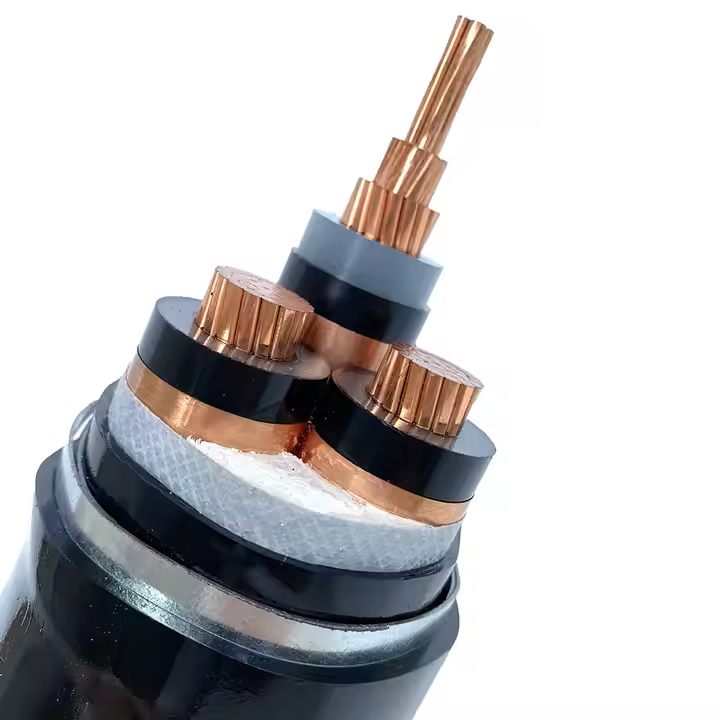
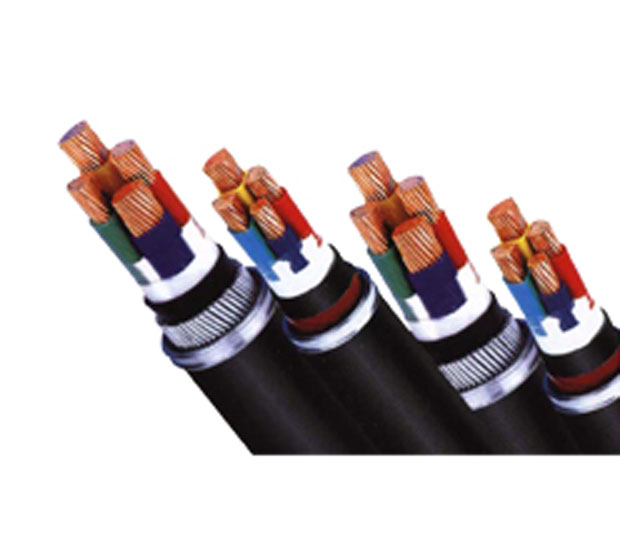
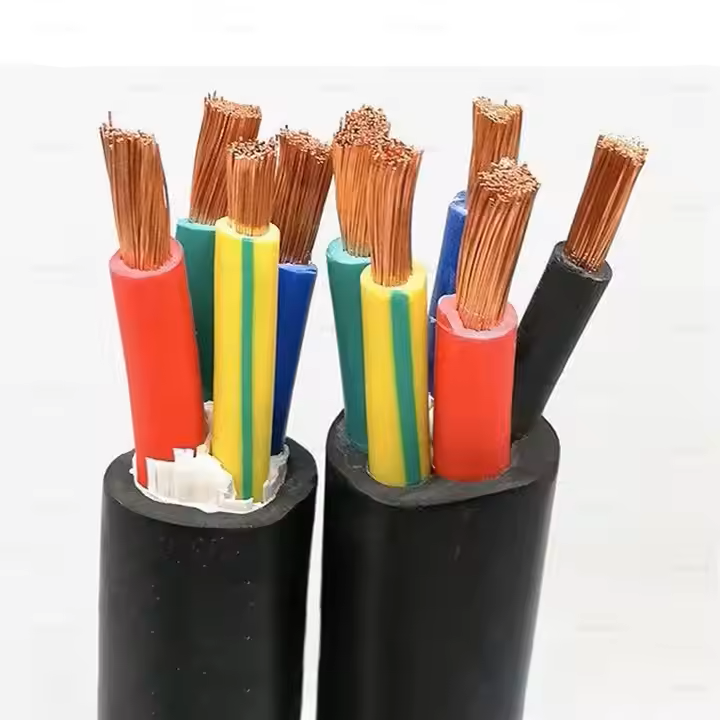
- Finished cable diameter, bend radius, mass and likely parallel or single-core arrangement.
- Tray width and depth, support spacing, vertical clearance, duct internal size and pulling access.
- Gland plate area, bus or terminal position, joint bay dimensions and safe maintenance working space.
- Fire-stop, water-seal, mechanical-protection and crossing details that may limit later additions.
- Drum handling, lifting, route opening, outage, temporary protection and installation sequence.
- Permanent labels, circuit names, section marks, spare identifiers and the record location for future changes.
Record dimensions as ranges or approved scenarios when the future construction is not yet frozen, and state what event requires a new review.
Price future cable route capacity with the civil, support, protection, survey and maintenance work needed to keep the reservation usable.
Compare Three Expansion Reservation Strategies
Different projects protect future value in different ways. Compare the total route and change burden, not just today's empty space.
| Strategy | Reservation method | Useful when | Main control |
|---|---|---|---|
| Physical corridor reserve | Leave marked tray, duct or riser space | A likely feeder shares an established route | Protect section occupancy and thermal assumptions |
| Dedicated future route | Build separate containment or penetration now | Later work would disrupt critical operations | Coordinate civil, structural, fire and maintenance access |
| Modular expansion point | Provide spare panel, joint, support or entry modules | Equipment growth is staged by area | Keep compatibility, dimensions and naming controlled |
| Scenario-triggered upgrade | Document the trigger for new capacity work | Forecast is uncertain or long-term | Review date, owner and decision thresholds |
The best strategy is the one the owner can maintain and fund as conditions change.
Protect the Reservation Through Change Control
A future route disappears through small, individually reasonable changes. The control system should catch them before they accumulate.
Mark reserved sections physically
Use durable route marks, drawing layers and asset-register fields that show reserved, occupied, restricted and unverified areas.
Review every new cable against the map
A maintenance, controls or temporary-service addition should state which section it uses and whether it affects thermal, structural or access assumptions.
Revalidate after civil or process work
Platforms, walls, equipment moves, fire seals and new utilities can change the route even when no power cable is added.
Set a scenario review date
When forecast load, equipment dimensions, production plan or regulation changes, reopen the reservation rather than silently relying on an obsolete basis.
A New Feeder Needed the ‘Future’ Duct
Situation: An expansion project arrives earlier than expected and requests the duct previously shown as reserved. A civil team has installed a smaller sleeve for a temporary service and sealed the unused opening.
Finding: The reservation was not protected by a physical label or inspection record. The new sleeve cannot accept the future cable with its bend and pulling method, and reopening the wall would affect an operating area.
Decision: The owner compares a new surface route, a larger controlled penetration and an altered equipment location. The selected option is recorded as a change to the original scenario and includes the next expansion trigger.
Result: The project pays for a visible route decision rather than discovering an unusable reservation during installation. Future capacity is measured as a maintained asset, not a drawing promise.
Commercial Items Hidden in Future-Proofing
Future capacity has a cost, but the cost is easier to govern when each reservation is linked to a practical use.
- Additional tray, duct, steel, anchors, sleeves, covers and fire or water protection.
- Larger panel entries, spare glands, terminal positions, support capacity and maintenance clearances.
- Survey, marking, documentation, thermal review, structural checks and periodic revalidation.
- Temporary protection, shutdown planning and route access needed to preserve the reserved path.
- Higher present cable size or route separation chosen to support an approved future scenario.
- Ownership, inspection and removal of temporary services that could otherwise consume the space.
Request a line-item basis for future provisions. A vague ‘future-ready’ premium is difficult to compare and easy to abandon.
Keep Future Capacity Useful After Handover
The future cable route capacity record should sit with the plant's controlled route and asset information. Include scenario, section, reserved dimensions, thermal and structural assumptions, owner, review date, physical marks, current occupancy and the event that triggers a new design review.
When the next project starts, the team should be able to see whether the reservation still connects a feasible source and destination. If the route changed, document the reason and update the scenario instead of protecting an obsolete drawing layer.
JINCHUAN Cable can clarify product dimensions, mass, construction and drum information for a future route review. The owner's electrical, civil, structural, fire and operations authorities remain responsible for the final expansion design and approval.
RFQ Inputs for Expansion-Ready Cable Routes
Describe both the current installation and the future scenario so suppliers can quote an honest, maintainable provision.
- current and forecast loads, source, destination and expansion stage
- route sections, containment, occupancy, grouping, supports and access
- future cable dimensions, mass, bend, parallel arrangement and entry constraints
- thermal, structural, fire, water, civil and operations assumptions
- reserved sections, marking, ownership, review date and change triggers
- present cable quantity, drum plan, installation sequence and outage windows
- spare entries, supports, accessories, inspection and handover records
- cost separation for present work and future provisions
Technical references such as IEC 60502, IEC 60228 and IEC 60332 can align cable construction and test terminology. The approved project specification, applicable local rules and qualified design authority still govern the final system decision.
JINCHUAN Cable Support for industrial power distribution expansion programs
JINCHUAN Cable can provide construction, finished dimension, mass and drum information to support an expansion route review. Those product inputs help the buyer test physical reservations against an actual cable family rather than a generic load allowance.
Review JINCHUAN Cable products and company information, then send current route sections and future scenarios for a comparable quotation.
Write the future scenario, reserve the complete path and assign an owner before the present route is closed. Recheck the reservation whenever a new cable or civil change enters the corridor.
FAQ
What is future cable route capacity?
It is the usable combination of electrical headroom, physical space, support, access, protection and records reserved for a credible future cable scenario.
Is a percentage of empty tray enough?
No. The route also needs endpoint entries, bend space, thermal, structural, fire, access and maintenance review for the expected cable arrangement.
How should a future load be described?
State source, destination, approximate duty, likely construction, timing, operating consequence and the status of the scenario.
Who should own the reserved route?
The plant should assign a responsible asset or engineering owner with marking, review and change-control duties.
Can temporary cables use reserved space?
Only under an approved change that records the section, duration, impact and restoration or revalidation responsibility.
When should a route reservation be rechecked?
After new cables, civil or process changes, equipment moves, fire work, access changes or a material update to the forecast scenario.
Should future provisions be separated in a quotation?
Yes. Present cable work, future containment, support, documentation and periodic review should be visible as separate cost and responsibility items.
What product data helps the expansion review?
Finished diameter, mass, construction, bend radius, drum information and accessory interfaces help test whether a reservation is physically usable.
Which standards can support the cable terms?
IEC cable and conductor references can align product language, while the project's electrical, civil, structural, fire and operations rules govern expansion approval.
How can JINCHUAN Cable support future planning?
JINCHUAN Cable can provide product data and drum information for route scenarios while the owner's qualified teams retain responsibility for the final capacity design.