
There is a moment in every asset's life when the question changes from how to keep a cable running to what should happen to it now. That moment is easy to miss, and expensive to reconstruct afterwards.
Retiring a circuit involves switching, isolation and proof that the cable is dead, before any decision about whether the cable itself stays in the ground. The two questions are separate and are often merged by accident.
The paperwork that follows the physical work is what makes the next project on that route straightforward rather than a series of unpleasant discoveries.

What the Term Covers
Decommissioning is used loosely for four different activities, and each ends in a different place.
- Taking a circuit out of service while keeping the cable available for future use.
- Isolating and securing a circuit that may be re-energised later.
- Removing the cable and clearing the route for other work.
- Abandoning the cable in place and removing it from the live network records.
Naming which of the four is intended is the first useful act, because the risk, the cost and the documentation differ sharply.
Cable decommissioning covers everything from switching a circuit out of service to removing or abandoning the cable itself, and the three stages have different owners.
The Order of Operations in Cable Decommissioning
Work starts with the network, not with the cable. The circuit is switched out, the isolation is proved at the point of isolation, and the means of securing that isolation is applied and recorded.
Only then does the cable itself become the subject. Proving dead at the far end, discharging capacitance and applying an earth are separate steps, and each of them is done in the knowledge that a cable can hold charge long after the supply has gone.
Where the cable is to be cut, the cut is made in a controlled way under a procedure that assumes it may be live until the moment it is proved otherwise. This is the point where a written method earns its place.
Everything after that is civil work and records, and both are easier when the first three steps were documented while they happened.
Proving dead is the step where the circuit is confirmed to be without voltage from a source that cannot be re-energised accidentally.
Before Anything Is Cut
Five items protect the people on site and the owner who signed the isolation.
A single source of isolation
The isolation point, the person holding it and the record of it should be unambiguous before work begins on the route.
Proof at the point of work
An instrument proving absence of voltage at the working position, in addition to the switching record, is what converts an assumption into a fact.
A discharge step
Cable capacitance holds energy, so an earth applied through a controlled connection is part of making the cable safe rather than a formality.
Identification of the correct cable
On a route carrying several circuits, misidentification is the classic failure, and tags on drawings are not enough on their own.
An agreed method for the cut
Whether the cable is cut, spiked or dismantled from a joint depends on the location and the confidence in the identification.
Cable spiking is a deliberate act that proves a cable is not live, and it is done to a defined procedure rather than as a substitute for testing.
Remove or Abandon
The two options trade excavation cost against the cost of living with what is left behind.
| Option | Where it suits | What it leaves behind |
|---|---|---|
| Full removal | Routes needed for new ducts or deeper excavation | A clear route, higher cost and disposal to manage |
| Partial removal | Ends and crossings recovered, middle left in place | An interrupted cable that must be recorded as such |
| Abandonment in place | Routes with no foreseeable reuse | A cable that future excavation will meet |
Partial removal is the most common outcome and the one that most often goes unrecorded properly.
An abandoned cable left in the ground still occupies the route, still appears on drawings and still carries an identity that future work has to deal with.
A Cable Nobody Expected to Find
Situation: A site extension required a new duct run across an old yard where a redundant feeder had been left in place after a plant rebuild several years earlier.
Finding: The cable was not live, and it was not on the drawings used for the new work. The excavator found it, work stopped, and the route had to be re-established before the ducts could continue.
Decision: The recovered section was cut back, capped and recorded, and the yard drawing was reissued with the abandonment marked in the same way as a live circuit.
Result: The direct cost was a day of excavation and a survey. The indirect cost was the assumption that the yard was clear, which every later project also had to re-check.
The asset record is the only artefact that stops a retired cable from being rediscovered by a digger bucket years later.
What Cable Decommissioning by Abandonment Costs Later
A retired cable occupies the same space as a live one. It restricts excavation depth, forces changes in duct routes and occasionally behaves like a live cable when a contractor meets it without expecting to.
It also keeps a claim on the record system. Every future design has to decide whether it matters, and each of those decisions takes time from someone who would rather be doing something else.
Abandonment can still be the right answer. The difference between a controlled abandonment and a slow accident is whether the decision was taken deliberately and communicated to the people who will dig next.
What the Record Has to Show
Four entries turn an abandoned cable into a known feature of the site.
The exact extent
Chainage, depth and the points where the cable was cut or capped, so a future excavation can plan around it.
The construction and size
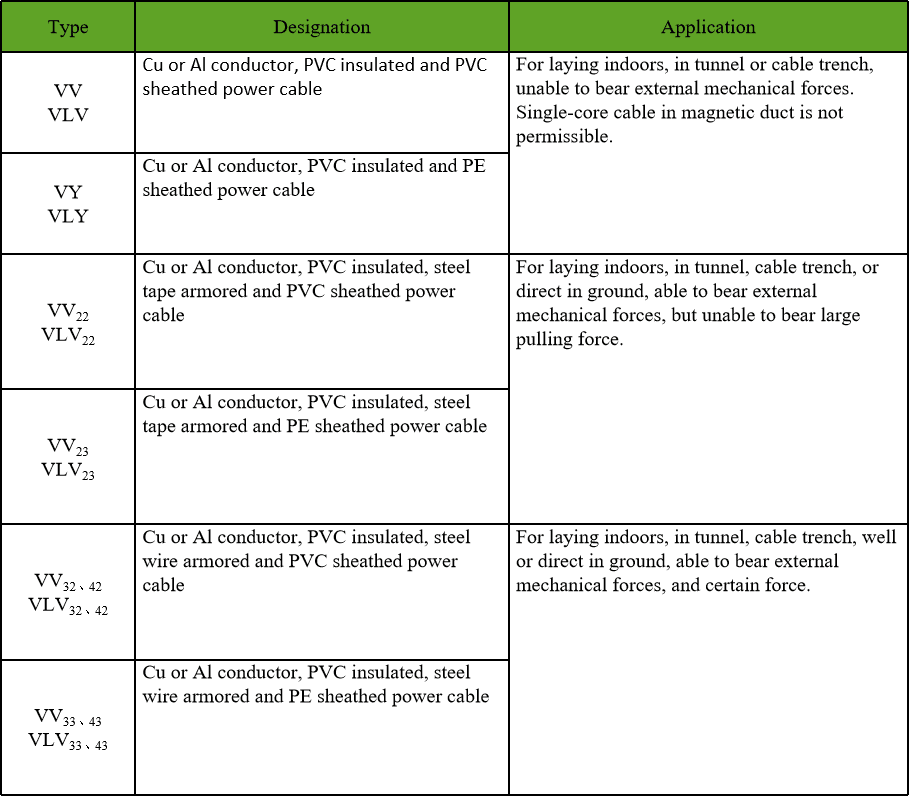
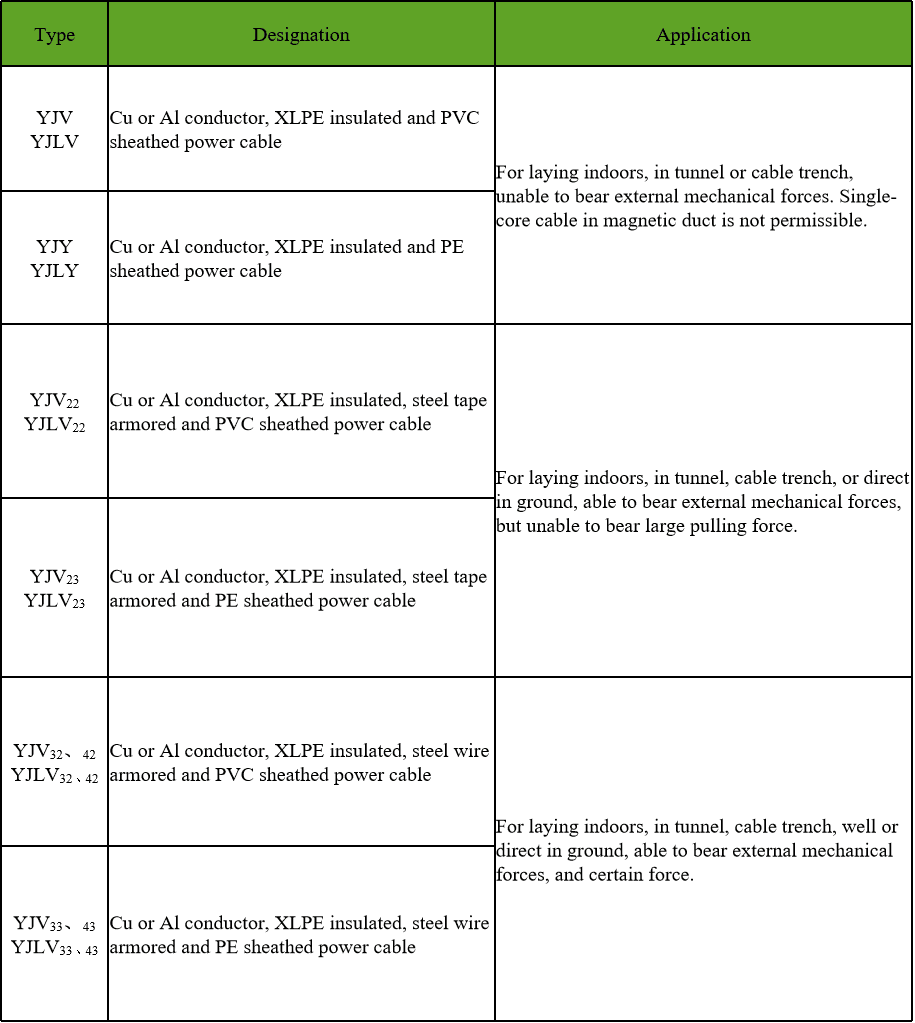
Conductor material and size, insulation type and whether the cable is armoured, so it can be identified if it is found.
The state it was left in
Cut, capped, earthed or fully removed at each end, and whether any part remains connected to equipment.
The reason for leaving it
A one line justification converts an omission into a decision when the record is read years afterwards.
What Happens to the Recovered Cable
Recovered cable is a material stream with its own requirements.
| Route | What it involves | What to confirm first |
|---|---|---|
| Return to store as usable | Testing, documentation against the original records | Whether a full length survives and matches a future need |
| Sold as recovered material | Cutting, weighing and a description of the construction | Whether the owner permits resale of the asset |
| Recycled as scrap | Separation of conductor from insulation and sheath | Handling and packaging of long sections on site |
None of these should be chosen on site without the owner knowing which one applies.
Signals That Cable Decommissioning Is Being Done Badly
The warning signs usually appear before any cable is touched.
- Nobody can say which cable on the drawing corresponds to the one in the trench.
- The isolation record exists, and the working party has not proved absence of voltage themselves.
- The method for the first cut has not been written down or briefed.
- The route is to be left in place and nobody has decided whether the ends will be capped.
- The as-built drawings are to be updated after the project, which in practice means never.
Each of these is cheap to correct at the planning stage and awkward to correct afterwards.
Cable Decommissioning and the Replacement Order
Most decommissioning leads to a replacement, and the information gathered while retiring the old cable is exactly what the new order needs: route length, joint positions, the conditions the old cable lived in, and the reasons it reached the end of its life.
Where the failure was environmental, the replacement construction should reflect that. Where the failure was mechanical, the route detail matters more than the cable type.
A short note recording why the previous cable was retired is often the most valuable document attached to the next enquiry, because it stops a known problem from being ordered again.
RFQ Inputs for Replacement Cables
The information collected during cable decommissioning usually answers most of what a replacement order needs.
- the route length and joint positions found during removal
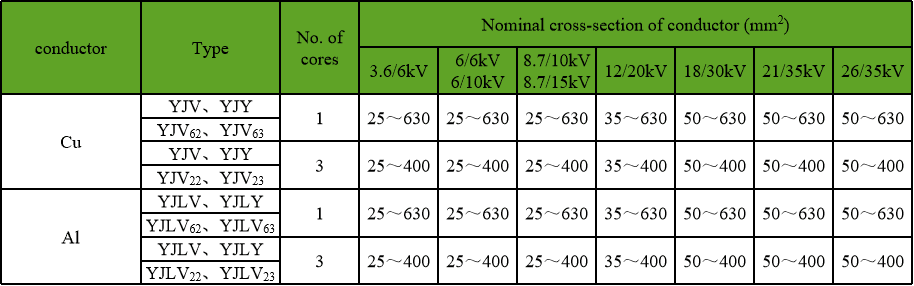
- the construction and size of the cable being retired
- the reason the cable reached the end of its life
- the conditions along the route, including water and ground movement
- the duty the replacement has to carry, including any added load
- the modification to the route that the new installation will make
- the spares required to keep a similar repair manageable next time
- the records the owner wants for the new asset
Technical references such as IEC 60502, IEC 60228 and IEC 60332 can align cable construction and test terminology. The approved project specification, applicable local rules and qualified design authority still govern the final system decision.
JINCHUAN Cable Support for cable decommissioning and abandonment
JINCHUAN Cable supplies replacement power cable against a known construction, and can compare the retired cable with what is being ordered so a documented weakness is not repeated.
Review the cable range and the manufacturing profile, then send the details recovered from the retired route with the new duty.
Cable decommissioning is the best moment to write down why the old cable failed, because an unexplained failure tends to be repeated.
FAQ
What does cable decommissioning involve?
It covers taking the circuit out of service, isolating and proving it dead, and then either removing the cable or abandoning it with a proper record.
Is decommissioning the same as removal?
No. A cable can be decommissioned and left in the ground, removed entirely, or partly recovered at the ends and crossings while the middle stays in place.
What does proving dead mean?
It means confirming at the working position that the circuit is without voltage, using a tested instrument, rather than relying only on a switching record.
Why does cable capacitance matter here?
A disconnected cable can hold charge, so a controlled discharge and earth connection are part of making it safe to work on.
What is cable spiking?
It is a deliberate operation that gives positive proof a cable is not live before it is cut. It is carried out to a defined procedure, never as a guess.
Should an abandoned cable be removed from drawings?
It should stay on them, marked as abandoned. Removing it from the record is how a future excavation finds it unexpectedly.
What must an abandonment record contain?
The extent, depth, the construction of the cable, the condition of the ends and the reason it was left in place.
Can recovered cable be reused?
Sometimes, if a full length survives and passes testing, and if the owner agrees. Otherwise it is sold as recovered material or recycled.
Who decides between removal and abandonment?
The asset owner, on the basis of future route needs, cost and the constraints of the site. The cable supplier has no part in that decision.
How can JINCHUAN Cable help with a replacement?
JINCHUAN Cable supplies replacement cable to a known construction and can compare the retired cable with the new order to avoid repeating a documented weakness.