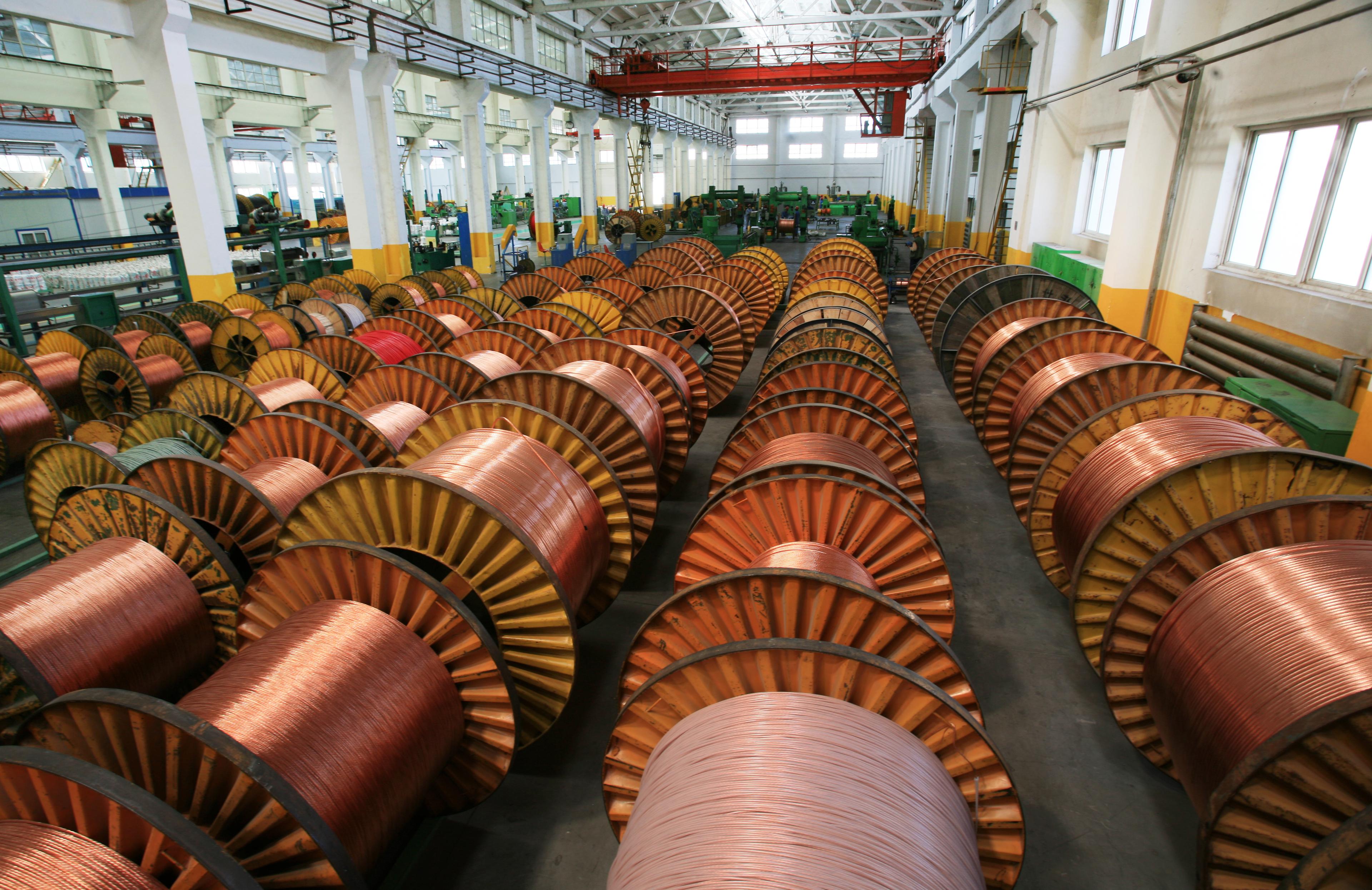

Air thins with height, and cable derating for altitude starts from that single fact. Thinner air carries heat away from a cable surface less effectively, and it breaks down at a lower voltage than air at sea level.
A cable that was unremarkable on a coastal site can therefore be marginal on a project at 3,000 m, even though the copper, the insulation and the load are unchanged.
The adjustment that follows is rarely a single number applied at the end. It is a chain of decisions, and each link needs a stated input.
Two Effects, One Cable
The thermal effect is the familiar one. Cable current ratings are established under defined ambient and installation conditions, and where air density falls, convective cooling becomes less effective and the temperature rise for a given current increases.
The dielectric effect is the one that surprises people. Reduced air density lowers the breakdown strength of the air around terminations, clearances and any exposed surface, which is why cable corona at altitude receives attention on higher-voltage projects.
Both effects are real, and they are handled in different places: one in the current rating calculation, the other in insulation, clearance and termination design.
Cable derating for altitude is not one factor but a chain of them, starting with air density and ending at the installed route.
What Altitude Changes for a Cable Installation
The factors that usually move once a site gets high enough, and each one feeds the cable derating for altitude check.
| Factor | What changes | Where it is handled |
|---|---|---|
| Air density | Less effective convective cooling | Current rating calculation |
| Dielectric strength of air | Lower breakdown voltage | Insulation and clearance design |
| Ambient temperature range | Wider swing between day and night | Installation and material choice |
| Solar exposure | Stronger ultraviolet at height | Sheath and covering selection |
| Route access | Longer transport and harder pulling | Drum lengths and pulling plan |
| Site workmanship | Fewer specialists, tighter windows | Method statement and supervision |
Each row is a design input, and a missing row becomes an assumption somewhere in the calculation.
Cable ampacity at high altitude falls because thinner air removes heat from the surface less effectively than at sea level.
Data the Manufacturer Needs From the Project
Altitude alone does not answer the question.
Site altitude
State the altitude of the installed position, not of the nearest town, and use the highest point of the route.
Ambient range
Give the design maximum, the minimum for installation, and whether the route is shaded or exposed.
Installation method
Describe buried, ducted, tray, ladder or in-air installation, since each carries a different base rating.
Grouping and spacing
Confirm how many cables run together and whether they are touching or spaced, because grouping compounds the altitude effect.
Where cable corona at altitude becomes relevant, the decision belongs to the insulation and clearance design rather than to the cable order alone.
The Substation at 3,200 Metres
Situation: A mine expansion builds a substation at 3,200 m. The feeder cable is ordered from the same schedule used at the coastal plant, with the same cross-section and installation method.
Finding: The design assumed the coastal ambient and a sea-level cooling condition. On site the ambient range is wider, the tray runs are grouped, and the terminations sit in thinner air than the original design basis.
Decision: The project restates the site conditions, rechecks the current rating for the installed method and grouping, and reviews terminations and clearances for the reduced air density.
Result: Part of the route is re-sized, termination arrangements are confirmed, and the design file records the conditions the cable derating for altitude was checked against.
A high altitude substation cable order should carry the site altitude, ambient range and installation method in writing.
Assumptions That Break at Altitude
These survive review at sea level and fail on a mountain site.
- Using the coastal ambient temperature for a site with a wider swing.
- Applying a single derating figure instead of checking each factor.
- Ignoring grouping because the tray looked lightly loaded on the drawing.
- Treating termination clearances as unchanged from the standard arrangement.
- Assuming ultraviolet exposure is the same as at low elevation.
- Planning drum lengths without allowing for slower access and pulling.
Each assumption is cheap to correct on paper and expensive to correct after delivery.
Send the cable derating for altitude assumptions with the enquiry so the offer and the design calculation use the same inputs.
Where the Adjustment Belongs in the Design Chain
Altitude touches several documents, and each should show the same input.
| Document | What to state | Consequence if omitted |
|---|---|---|
| Design basis | Site altitude and ambient range | Rating checked against wrong conditions |
| Cable schedule | Installation method and grouping | Base rating overstated |
| Termination design | Clearances for reduced air density | Dielectric margin unverified |
| Route drawing | Exposed and shaded sections | Thermal assumption unclear |
| Installation method | Pulling limits and drum positions | Handling damage risk |
| Test plan | Tests required for the order | Evidence gap at handover |
When all six documents carry the same altitude and ambient figures, the review becomes a check rather than a negotiation.
Thermal Behaviour Is Not Only About Air
Cooling depends on the whole path heat takes: through the cable, into the surrounding material and away from the surface. Buried cable loses heat through soil, which may be drier and more variable on a mountain site than the design assumed.
Grouping and enclosure matter just as much. Cables bundled in a duct or laid touching on a tray share heat, and the effect grows when air movement around them is already reduced.
This is why cable derating for altitude is usually applied together with the installation factors rather than in isolation. The number that matters is the rating for the actual installed condition.
Installation Conditions That Worsen With Height
The site conditions change at the same time as the electrical ones.
Temperature swing
Plan for installation temperature limits, because a cable that is stiff in the cold is difficult to pull without damage.
Ultraviolet exposure
Confirm that exposed runs and stored drums are protected, since strong sun ages sheaths and packing quickly.
Access and pulling
Allow for longer approaches, steeper pulls and fewer machines, and adjust drum lengths and joint positions accordingly.
Weather windows
Build the programme around the seasons, because a joint that should not be made in wet conditions will otherwise be made in them.
Tests and Records for a High-Altitude Order
The cable itself is normally tested against the same standard wherever it is installed, so cable derating for altitude lives in the design and installation records rather than in a special test.
What the project needs is a record of the inputs: the altitude used, the ambient range, the installation method, the grouping and the resulting rating. Without that, a later modification has no baseline to check against.
Keep those inputs with the cable schedule, so a future expansion on the same site starts from the conditions already agreed instead of repeating the exercise.
What to Fix Before the Order Is Placed
Settle these points and the cable order stops carrying hidden assumptions.
- the installed altitude and the ambient range in writing
- the installation method, grouping and spacing for each route section
- the current rating checked for those conditions
- termination and clearance requirements for the reduced air density
- sheath and protection for ultraviolet and temperature exposure
- drum lengths, joint positions and pulling limits for the terrain
Once these inputs are agreed, the derating question has an answer that can be reviewed by anyone who reads the file.
RFQ Inputs for High-Altitude Cable Selection
State the site conditions with the enquiry so the offer is built on the same basis as the design calculation.
- installed altitude and the ambient temperature range
- installation method, grouping and spacing for each section
- voltage rating, load and fault level
- termination and clearance requirements for the site
- sheath and protection expectations for ultraviolet exposure
- route profile, access constraints and pulling limits
- drum lengths and joint positions
- tests and records required for handover
Technical references such as IEC 60502, IEC 60228 and IEC 60332 can align cable construction and test terminology. The approved project specification, applicable local rules and qualified design authority still govern the final system decision.
JINCHUAN Cable Support for high-altitude industrial and substation projects
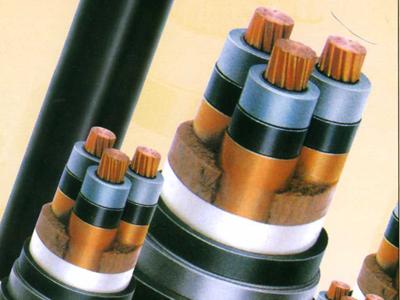
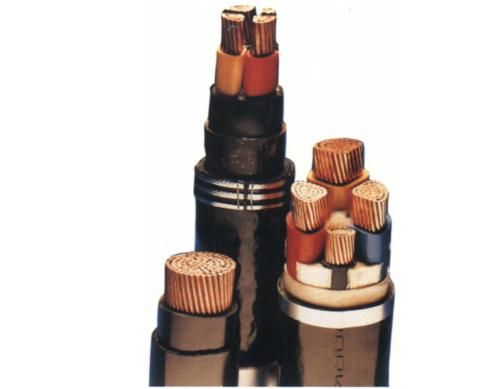
JINCHUAN Cable can confirm construction and dimensional data so a project team can complete its own high-altitude rating check with the correct cable inputs.
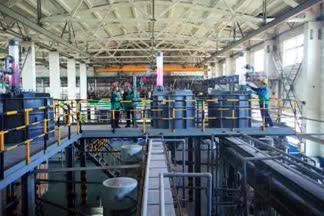
Review the product data and the manufacturing profile, then send the site conditions with the enquiry.
Write the altitude and ambient range beside the load, and cable derating for altitude becomes a checked calculation instead of an assumption.
FAQ
Why does altitude affect a cable rating?
Because air density falls with height, so convective cooling is less effective and the temperature rise for a given current increases.
Is one derating factor enough?
Usually not. Altitude interacts with ambient temperature, installation method, grouping and solar exposure, and each has to be stated.
Does the cable standard change at altitude?
The cable is normally produced and tested to the same standard; the difference appears in the rating calculation and in installation and clearance design.
What is cable corona at altitude?
It is the partial breakdown of air around a surface where the local field is high. Thinner air lowers the level at which this begins.
Which altitude figure should be used?
The altitude of the installed position, taking the highest point of the route rather than the nearest town.
Should buries sections be assessed differently?
Yes. Buried cable loses heat through the surrounding soil, so soil condition and depth join the calculation alongside air temperature.
Does grouping still matter at altitude?
It matters more, because cables sharing heat in already reduced air movement reach higher temperatures than a single cable would.
What installation limits change with height?
Access, pulling distance and temperature windows usually tighten, so drum lengths and joint positions may need to change.
Which records should be kept?
The altitude, ambient range, installation method, grouping and the resulting rating, filed with the cable schedule.
How can JINCHUAN Cable help?
JINCHUAN Cable can supply construction and dimensional data so the project's own rating check is based on accurate cable inputs.