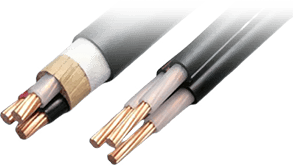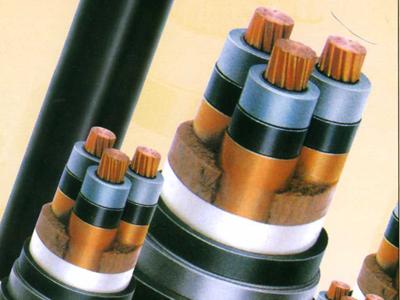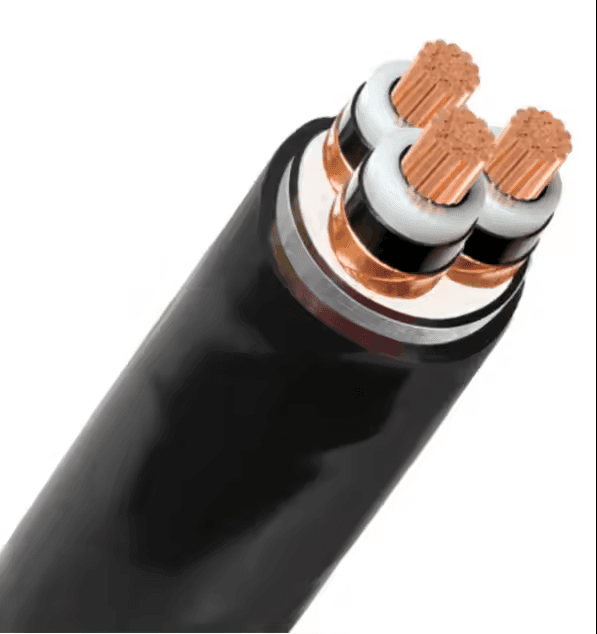

Power cable phase sequence is correct only when phase identity is preserved from the source through every joint and termination to the receiving equipment. A cable can pass insulation tests and still deliver the wrong rotation because one end was labeled, joined or landed differently.
Commissioning teams should verify end-to-end identity under an approved safe method, then confirm rotation at the correct system boundary. Power cable phase sequence testing should never depend on color alone, especially in brownfield plants where older conventions may differ.
This guide brings together buyer questions about core marking, single-core groups, joint phasing, phase rotation meters, motor direction, temporary supplies, safe test boundaries, corrective work and final records.
Startup case: the pump turns backward after every electrical test passed
Situation: A new feeder passes continuity and insulation checks, yet the driven pump rotates in reverse during commissioning.
Finding: A joint schedule used old plant phase names while the new switchboard followed a different reference convention.
Decision: The team traces each phase from the released source, corrects the joint identity and repeats the rotation check.
Expected result: The power cable phase sequence record now matches the physical feeder and the pump starts in the intended direction.
Where can phase identity change between source and load?
A useful phase-sequence commissioning review starts with a defined buyer, production outcome and project boundary. The following distinctions prevent a general factory inquiry from becoming an unqualified product request.
At the source?
Panel labels and bus designations must match the released drawing.
Inside a joint?
Core or single-core connections need an identified phase map.
At the receiving end?
Terminal position can differ from cable color or route order.
At the equipment?
Required rotation must be confirmed without masking an upstream labeling error.
The decision is strongest when each answer is supported by project-specific evidence for the three-phase power cable circuit.
A phase check that starts before anyone presses Start
The phase-sequence commissioning review should follow named handoffs from production input to released output.
| Work stage | Primary owner | Required output |
|---|---|---|
| Freeze identity | Production engineering | Controlled circuit map; confirm source, destination, feeder and drawing revision. |
| Make safe | Plant engineering | Released test boundary; confirm isolation, discharge, test access and permits. |
| Trace phases | Quality team | Verified identity; confirm cores, joints and terminations end to end. |
| Confirm rotation | Construction team | Rotation result; confirm system state and approved test point. |
| Close records | Maintenance team | Startup release; confirm labels, corrections, photos and signatures. |
The sequence keeps physical corrections and document corrections together.
Phase-Identity Verification Table
Use this specification table to compare each phase-sequence commissioning review on the same approved project basis. Values are inputs to confirm, not assumptions for the supplier to invent.
| Specification item | Project input | Evidence to retain |
|---|---|---|
| Electrical system | Approved source designation, voltage, grounding, bus arrangement, protection and required equipment rotation | Approved single-line diagram and load schedule |
| Conductor and size | Buyer-defined material, cross-section and circuit duty | Cable schedule and engineering approval |
| Insulation and sheath | Verified cable cores or phase groups, joints, transitions, destination and temporary connections | Route map and environmental boundary |
| Mechanical protection | Terminations, labels and test access remain secure and visible during checks | Installation method and risk review |
| Fire performance | Project-required performance and test reference | Approved specification and test documents |
| Identification | Feeder, source, phase, core, joint, destination, result and drawing revision | Drum list, cable register and final revision |
A compliant schedule makes technical and commercial differences visible before the three-phase power cable circuit cable order is released.
Phasing shortcuts that should stop commissioning
Each warning sign shows where the phase-sequence commissioning review may be based on a route description that is too broad.
Red flag: Colors match at both ends
Why it matters: A hidden joint or legacy convention may still cross phases Better requirement: Perform an end-to-end check.
Red flag: The motor can be swapped later
Why it matters: That can conceal incorrect feeder records Better requirement: Correct identity at the approved boundary.
Red flag: One circuit in the group was tested
Why it matters: Adjacent feeders may have different histories Better requirement: Verify each released circuit.
Red flag: Photos replace test results
Why it matters: Images show labels but not electrical continuity Better requirement: Retain readings and method.
Power cable phase sequence needs electrical proof and permanent labels that tell the same story.
What to do when phasing does not agree
Which branch protects accepted energized feeder with verified end-to-end phase identity and rotation while meeting the required delivery date?
Labels are wrong but connections are correct
Correct permanent identification and update the controlled record.
A termination is crossed
Make safe, correct the approved connection and repeat relevant tests.
The discrepancy passes through a joint
Open the joint investigation and confirm accessory disposition before work.
The source convention is unclear
Hold startup until the responsible system engineer defines the reference.
The response should repair the actual identity break rather than merely produce acceptable motor direction.
Pre-start phasing scorecard
Use this scorecard to test the quality evidence behind a phase-sequence commissioning review. Certification names alone do not replace project-specific inspection and traceability.
| Criterion | Question | Evidence to request |
|---|---|---|
| Identity | Are source, feeder and destination unambiguous? | Released drawings |
| Continuity | Was each phase traced through joints and terminations? | Test record |
| Rotation | Was sequence checked at the approved boundary? | Rotation sheet |
| Closure | Do corrected labels and drawings match? | Signed handover |
Power cable phase sequence is ready when a future technician can reproduce the identity without relying on memory.
Where phasing errors create avoidable project cost
The quoted price for a phase-sequence commissioning review is meaningful only when route, quantity, testing, delivery and exclusions use the same basis.
| Cost driver | Project impact | Control before ordering |
|---|---|---|
| Late discovery | Startup teams lose the planned window | Test earlier |
| Hidden joints | Access and rework may be substantial | Keep joint maps |
| Wrong labels | Maintenance isolation becomes risky | Standardize identity |
| Motor checks | Mechanical equipment may need vendor attendance | Coordinate startup |
| Document correction | Uncontrolled changes survive into operations | Close revisions |
A small investment in power cable phase sequence evidence protects startup time and later maintenance safety.
Three circuits, three phasing risks
This comparison does not select a cable by industry label. It shows how three three-phase power cable circuit project configurations change the evidence a supplier must review.
| Project configuration | Defining features | Main advantage | Best fit | Relative cost level |
|---|---|---|---|---|
| Multicore feeder | Phases share one sheath with core colors | Compact identity set | LV distribution | Medium |
| Single-core phase group | Separate cables form one circuit | Flexible installation | High-current or MV feeder | Medium-high |
| Jointed brownfield tie-in | New and legacy conventions meet | Uses existing assets | Plant modification | High |
Power cable phase sequence controls should reflect how many interfaces can alter identity.
Phasing fields for the handover package
OEM and project customization should make the phase-sequence commissioning review easier to approve, receive, install and maintain.
Reference system
State the approved source phase convention.
Cable identity
Record colors, printed marks and phase labels.
Interface map
Show every joint, transition and termination.
Test and correction
Link readings, changes, rotation and final approval.
Information to include in a power cable RFQ
Suppliers can compare the same basis when the RFQ includes the following project inputs.
- System voltage and frequency
- Load or cable schedule
- Motor ratings and starting method
- Route length and installation method
- Actual wet, dusty, hot, outdoor or mechanical conditions
- Required conductor, insulation, sheath and armor details
- Destination, delivery stages and required records
- source phase convention and single-line drawing
- cable core or single-core phase marking
- joint, termination and destination schedule
- safe test method and rotation boundary
- corrections, photos and signed handover records
For three-phase power cable circuit projects, references such as IEC 60502, IEC 60228 and IEC 60332 can help both sides use consistent terminology. They do not replace the approved specification or the buyer's responsibility to confirm the design.
How JINCHUAN Cable supports three-phase power cable circuit decisions
For industrial buyers, EPC engineers, utilities, contractors, commissioning teams and cable distributors evaluating the power cable phase sequence, JINCHUAN Cable can review buyer-approved schedules, cable marking, core identification, drum records and technical clarifications, quantities, identification and document requirements for the three-phase power cable circuit.
The response can state assumptions, evidence and exclusions while final system design, protection, compliance approval and installation remain with qualified project teams responsible for the three-phase power cable circuit.
Buyers can review JINCHUAN Cable products and learn more about the JINCHUAN Cable company. Share the project purpose, critical loads, route conditions, quantities, destination and expected records to create a stronger basis for technical and commercial comparison.
Send the approved schedule and phase-marking, joint and commissioning requirements to request a quotation with a traceable evidence package.
FAQ
What should buyers expect from a power cable phase sequence?
Buyers should expect the proposal to connect cable construction with source phase designation, cable marking, core identity, joint phasing, termination position, test method, motor rotation and records, not merely repeat conductor sizes from a schedule.
Which part of the three-phase power cable circuit should be mapped first?
Start with drawing review, isolation, end-to-end identification, joint check, termination confirmation, rotation test and release. This shows which supporting loads can interrupt more than one production stage.
How should quotations for the three-phase power cable circuit be compared?
Compare the stated route assumptions, operating duty, included records, delivery grouping and exclusions beside price. That exposes scope differences before approval.
Which route conditions matter in a three-phase power cable circuit?
The inquiry should distinguish new feeders, jointed circuits, multicore cables, single-core phase groups, brownfield tie-ins and motor supplies where one crossed phase can disrupt startup. Broad labels such as indoor or industrial are rarely precise enough for a useful review.
What hidden risk deserves attention in this project?
A common hidden risk is assuming matching colors prove phasing when joints, panel labels, old plant conventions or swapped terminations break end-to-end identity. Its production consequence may be greater than the connected load suggests.
Should future changes be discussed before ordering?
Yes. equipment replacement, emergency joints, feeder transfers, bus alterations, motor changes and undocumented maintenance work can affect route capacity, circuit names, distribution space and the value of today's approval records.
Which records help after installation?
Useful records include single-line diagram, source designation, cable register, joint schedule, termination photos, phasing readings, rotation result and release. They help receiving, installation and maintenance teams connect each cable with its purpose.
Which technical references may support the discussion?
IEC 60502, IEC 60228 and IEC 60332 may provide common terminology, while the approved project specification remains the final design basis.
What should be sent with the first RFQ?
Send the cable or load schedule plus project details such as source phase convention and single-line drawing, cable core or single-core phase marking, joint, termination and destination schedule, safe test method and rotation boundary, corrections, photos and signed handover records. Clear inputs allow suppliers to identify assumptions instead of guessing.
How can JINCHUAN Cable support the three-phase power cable circuit?
JINCHUAN Cable can review the schedule, routes, operating conditions, quantities and required records against the result the buyer needs to protect: a three-phase circuit whose source labels, cable cores, joints, terminations and equipment rotation agree before startup.